







The Hidden Risks
While salads are celebrated for their nutritional value, packed with vitamins, minerals, and fiber crucial for digestion and overall wellness, they can
harbor unseen dangers. Raw vegetables, if not meticulously cleaned, may carry harmful bacteria or even parasites. A prime example is Cyclospora cayetanensis, a parasite that can trigger distressing symptoms such as persistent diarrhea, nausea, bloating, and profound fatigue. Even seemingly vigilant eaters can fall prey, as actress Saba Azad's recent experience highlighted. Despite her focus on home-cooked meals, an infection disrupted her diet and led to unexpected weight loss, underscoring the pervasive threat of contamination from even fresh produce and emphasizing the critical need for rigorous cleaning protocols to safeguard one's gut health.
Effective Washing Techniques
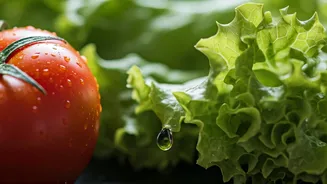
To transform your leafy greens into a truly safe and healthy meal component, meticulous washing is paramount. Begin by preparing a solution of clean water infused with a small amount of baking soda. Soaking your vegetables in this mixture is highly effective, as it helps to dislodge stubborn dirt, residual pesticides, and potential microbial contaminants more effectively than plain water. Following the soak, it's essential to rinse each piece thoroughly under a stream of fresh, running water to wash away any loosened debris and the baking soda solution itself. When dealing with leafy vegetables like lettuce and spinach, ensure you separate each leaf; washing them in bunches can leave unseen pockets of contaminants. Crucially, avoid using soaps or detergents, as their chemical residues can be toxic if ingested. After washing, gently pat the leaves dry with a clean cloth or allow them to air dry completely. This drying step is vital as excess moisture can promote bacterial growth, undermining your cleaning efforts.
Smart Storage Practices
Proper storage is just as vital as thorough washing for maintaining salad safety and freshness. Once your greens and vegetables are clean and dry, store them in a clean, dry container. Lining this container with paper towels is an excellent strategy, as they will absorb any lingering moisture, preventing sogginess and inhibiting bacterial proliferation. It is crucial to keep all salad vegetables refrigerated at an appropriate temperature to preserve their quality and slow down spoilage. Aim to consume washed greens within one to two days, as prolonged storage increases the risk of bacterial growth. Never mix already wilted or spoiled leaves with fresh ones, as pathogens can easily spread from the contaminated produce to the fresh ingredients. For optimal protection, use airtight containers; these not only maintain freshness but also shield your vegetables from external bacteria and prevent them from absorbing strong odors from other foods in your refrigerator.