





Best Times to Visit
While Maui offers pleasant weather year-round, timing your visit to Haleakalā National Park can enhance your experience. Peak seasons, including summer,
spring, and winter, coincide with school breaks, leading to larger crowds and higher prices for flights and lodging. For a more tranquil and budget-friendly trip, consider the shoulder seasons of early spring and fall. The period from April to October marks the dry season, generally offering clearer skies ideal for exploration and hiking. If catching the iconic sunrise is a priority, summer months are preferable as the sun rises slightly later, and summit temperatures are marginally warmer. Be prepared for significant temperature variations; the summit, at 10,023 feet, can be 30 degrees Fahrenheit cooler than the coast, with temperatures ranging from freezing to 65 degrees Fahrenheit.
Spectacular Viewpoints
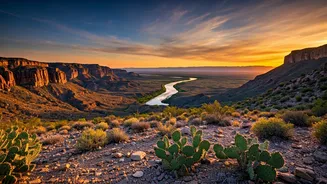
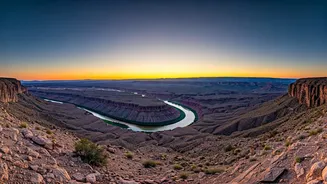
The summit of Haleakalā offers unparalleled vistas of the vast Haleakalā Crater, a massive erosional valley sculpted over millennia by wind and rain. Puʻu ʻUlaʻula Overlook, near the summit, stands as the island's highest point and is a prime spot for panoramic views of the crater, West Maui Mountains, and neighboring islands on clear days. Adjacent to this overlook, a path leads to a garden showcasing the endemic ʻahinahina, or silversword plant, uniquely found at these high altitudes. The Haleakalā Visitor Center also provides excellent crater views, especially during sunrise and sunset. For potentially less crowded experiences, consider Leleiwi Overlook, approximately two miles from the visitor center, offering sweeping views of the volcanic terrain and Hawaiʻi Island in the distance. Further along, a mile beyond Leleiwi, the parking lot for the Kalahaku Overlook grants access via a brief 10-minute hike to views extending to Maui’s north shore through the Koʻolau Gap on exceptionally clear days.
Invigorating Hiking Trails
Haleakalā National Park boasts a diverse array of hiking trails catering to all levels of adventurers, winding through otherworldly landscapes. For an accessible yet rewarding experience, the half-mile Hosmer Grove Loop Trail begins in a forest of non-native trees before transitioning into a native forest teeming with Hawaiian koa, ʻōhiʻa, and kukui trees, offering opportunities to spot native birds like the ʻapapane. More seasoned hikers will find the 11-mile Keoneheʻeheʻe, or Sliding Sands Trail, an exceptional challenge, descending into the crater floor. Along this path, approximately halfway down, lies the vibrant Halemauʻu Trailhead, a section characterized by volcanic cinder formations in striking hues of red, orange, and yellow. This trail can connect to the two-mile connecting path that ascends out of the crater via 20 switchbacks, leading to the renowned Rainbow Bridge, named for the atmospheric halo often seen as clouds drift up the valley. In the Kīpahulu District, the four-mile Pipiwai Trail offers a quintessential Hawaiian hike, featuring lush bamboo forests, native trees, cascading waterfalls, and opportunities to swim in natural pools.
Unique Wildlife Encounters
Haleakalā National Park is a sanctuary for endemic species, with over 90 percent of Hawaiʻi’s native terrestrial life found nowhere else on Earth. The park is home to more than 300 plant species unique to Hawaiʻi, including the critically endangered ʻahinahina (silversword), which can be observed at the summit, Kalahaku Overlook, and along the Sliding Sands Trail. Within the Kīpahulu District's humid forests, visitors can admire native ʻōhiʻa and koa trees alongside various ferns. The park also supports several native bird species, such as the Nēnē (Hawaiian Goose) and ʻUaʻu (Hawaiian Petrel), along with six native forest birds, including the critically endangered ʻAkikiki (Maui Parrotbill) and ʻIʻiwi (Crested Honeycreeper), often spotted along the Hosmer Grove trail, particularly in the early morning. The park's insect life is equally fascinating, with endemic species like the Hawaiian wolf spider found in wilderness camps and the Haleakalā sticky-web spider present at elevations above 6,000 feet. The Hawaiian yellow-faced bee, easily identified by a distinctive pale yellow marking on its black face, can be seen buzzing around blooming native lobelias.
Unforgettable Activities
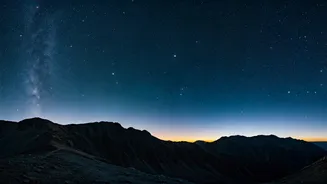
Witnessing the sunrise from Haleakalā's summit is a signature experience, though it requires advance reservations, which can be challenging to secure. Reservations are released daily at 7 a.m. HST, up to 60 days in advance, costing $1 plus park entrance fees. Several viewing areas exist, with Puʻu ʻUlaʻula Overlook near the visitor center filling quickly, while Leleiwi Overlook offers a more serene setting. Arriving at the Visitor Center at least 30 minutes before sunrise, which varies seasonally (as early as 5:38 a.m. in summer, as late as 6:55 a.m. in winter), is recommended. Sunset offers a equally stunning, yet less crowded, alternative, with prime viewing from the summit overlooks. Following sunset, the park transforms into an exceptional stargazing location due to its high elevation and minimal light pollution. Various outfitters offer guided stargazing tours, providing telescopes and expert insights into the cosmos. Hiking opportunities abound, from short strolls to challenging all-day treks like Sliding Sands, with preparedness for altitude, temperature shifts, and varied terrain being crucial.
Family Adventures
Haleakalā National Park offers a range of activities engaging for families. The sunrise experience, despite the early start, provides a memorable spectacle of changing colors over the crater and clouds, best enjoyed bundled up with hot beverages. Guided hikes, like the four-mile trek through Haleakalā Crater, are suitable for children aged 8 and above, offering insights into the park's geology and flora. For older children and teens, guided downhill biking tours provide a thrilling way to experience the landscape, descending from 6,500 feet through scenic ranchlands to the coastal town of Pāiʻa (riders must be at least 15 years old). Stargazing is another captivating activity for families, with specialized tours providing telescopes and guidance. The Junior Ranger program also offers an interactive way for children to learn about the park's natural environment and history.
Accommodation Options
For those wishing to extend their stay, Haleakalā National Park provides lodging both within its boundaries and in nearby areas. Inside the park, two campgrounds and three wilderness cabins are available, all requiring reservations. Hosmer Grove Campground, situated at 7,000 feet, offers a cooler, cloud-belt environment with six sites equipped with picnic tables, grills, water, and pit toilets; it is also the only wheelchair-accessible campground. Kīpahulu Campground, located near the coast, provides 20 sites, including walk-in and drive-in options, with picnic tables and charcoal grills at drive-up sites; it's conveniently close to ʻOheʻo Gulch and the Pipiwai Trail. The wilderness cabins—Kapalaoa, Palikū, and Hōlua—are accessible via hiking trails and feature padded bunks, with reservations required up to six months in advance. Outside the park, luxurious options like the Grand Wailea, A Waldorf Astoria Resort, offer oceanfront settings, while smaller inns such as the Hana Kai Maui and Haiku Mill offer charming, boutique experiences.
Essential Visitor Information
Haleakalā National Park is accessible via two main entrances. The Summit District entrance is approximately 28 miles from Kahului Airport, reached by following HI Routes 36, 37, 377, and 378. This well-marked, 38-mile route requires purchasing food and gas in Pukalani or Makawao before ascending. The Kīpahulu District requires a longer 62-mile drive, taking up to three-and-a-half hours via HI Routes 36 and 360 (the renowned Road to Hāna) and HI 31. The park charges entrance fees: $30 per vehicle, $25 per motorcycle, and $15 per person for foot or bicycle entry, valid for three days. Sunrise reservations are separate, costing $1 plus entrance fees, and are highly competitive, released daily online. Pets are permitted only on paved paths, roads, and drive-up campgrounds (excluding Hosmer Grove) and must be leashed; they are not allowed on hiking trails, in wilderness areas, or visitor centers. Visitor centers, the Hosmer Grove picnic area, and campgrounds are wheelchair accessible, with an assisted ramp to Puʻu ʻUlaʻula Overlook. Trails themselves are not suitable for wheelchairs.