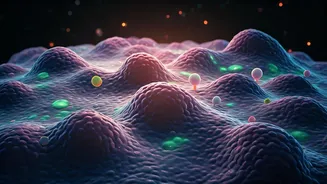








The Gut Microbiome Explained
Our digestive system is home to trillions of microorganisms, collectively known as the gut microbiome. These aren't just passive inhabitants; they are active
participants in numerous bodily functions. This complex ecosystem comprises both beneficial and harmful bacteria, and maintaining a delicate balance is crucial for overall health. When this balance is disrupted, a condition called dysbiosis can arise, potentially leading to a cascade of health problems, from digestive distress to chronic diseases. Understanding what gut bacteria are and their primary roles, such as breaking down food, synthesizing essential vitamins like K2 and B12, bolstering immune defenses, and modulating inflammation, is the first step towards appreciating their significance in our lives.
Gut Bacteria and Your Brain
The relationship between your gut and brain is far more intimate than commonly realized, often referred to as the gut-brain axis. Billions of neurons in your brain directly communicate with the vast microbial communities residing in your intestines. This bidirectional communication influences brain development, mood regulation, stress response, and even how we react to treatments for mental health conditions like depression and anxiety. When your gut bacteria are healthy, they can significantly contribute to reducing symptoms of anxiety and depression. Conversely, stressful situations can alter the microbial composition in your gut, impacting this vital connection and highlighting how the immune system's responses in the gut can interface with the nervous system.
Impact on Chronic Diseases
An imbalanced gut microbiome, or dysbiosis, is increasingly linked to a wide array of chronic health conditions beyond digestive disorders. It can contribute to food allergies, asthma, diabetes, and autoimmune diseases such as arthritis, eczema, and psoriasis. Furthermore, poor gut health has been associated with slower recovery from injuries like seizures or strokes and metabolic syndrome, which elevates the risk of cardiovascular diseases. The mechanisms are complex, but they often involve increased inflammation, compromised nutrient absorption, and a weakened gut barrier, leading to systemic health issues that manifest in various ways, from skin appearance to weight gain.
Gut Bacteria and Weight
Your gut bacteria play a significant role in managing your weight and energy expenditure. While the exact science is still unfolding, research indicates that imbalances in gut flora can contribute to obesity. Some studies have observed that individuals with obesity may have higher levels of certain bacteria, like Bacteroidetes and Firmicutes, which can promote inflammation and increase gut permeability. These microbial shifts can also influence fat storage and impact the sensitivity of hormones like leptin, which signals satiety, making it harder to feel full. Furthermore, dysbiosis can affect brain pathways involved in appetite regulation, potentially leading to overeating and weight gain.
Signs of Imbalance
Recognizing the signs of an unhealthy gut microbiome is crucial for proactive health management. Common indicators include frequent digestive discomforts such as bloating, gas, acid reflux, constipation, or diarrhea, especially if accompanied by unexplained weight loss or blood in stool. Skin issues like acne, rashes, or inflammation can also signal an underlying gut problem. You might notice a weakened immune system, leading to frequent colds or respiratory infections. Additionally, persistent fatigue, achy joints, increased sugar cravings, and general malaise can all point to an imbalance in your gut bacteria, suggesting it's time to focus on improving gut health.
Nurturing Your Gut Health
Improving your gut bacteria is achievable through simple yet impactful lifestyle and dietary changes. Incorporating probiotic-rich foods like yogurt, kefir, sauerkraut, and kombucha is essential. Consider a high-quality probiotic supplement if needed. Ensure your diet is abundant in fiber and prebiotics, which serve as food for beneficial bacteria. Minimize or eliminate common allergens, processed foods, fried items, and excessive added sugars. Quitting smoking, moderating alcohol intake, and using antibiotics only when strictly necessary are also vital steps. Diversifying your protein sources to include more plant-based options like beans, nuts, and seeds, alongside reducing exposure to environmental toxins and managing stress through exercise, can profoundly enhance your gut microbiome.