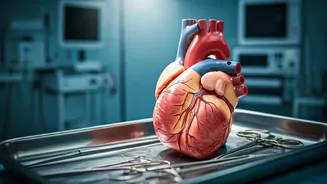









Cardiac Arrest Unveiled
Cardiac arrest is a sudden cessation of heart function, often leading to death if not treated promptly. It can strike anyone, regardless of age or health
status, making awareness of its risks critical. A cardiologist's perspective can clarify the various contributing factors and signs of cardiac arrest. While genetics play a role, lifestyle choices, and underlying health conditions frequently elevate the risk. Furthermore, understanding the impact of these factors can empower individuals to make informed decisions about their health and seek timely medical assistance. Recognizing the warning signs can be the difference between life and death.
Risks and Contributors
Several factors contribute to the risk of cardiac arrest. According to medical professionals, underlying heart disease, such as coronary artery disease, is a major culprit. Conditions like high blood pressure and high cholesterol can damage the heart over time, increasing susceptibility. Lifestyle choices also play a crucial role. For example, smoking, a sedentary lifestyle, and a poor diet all elevate the risk. Family history further complicates the situation, as genetics can predispose individuals to heart problems. Recognizing these risks is the first step toward prevention and effective management. Regular check-ups, a balanced diet, regular exercise, and avoiding tobacco are important in mitigating these risks.
Warning Signs to Note
Identifying the warning signs of cardiac arrest is vital for survival. Symptoms can vary, but certain indicators require immediate attention. Sudden chest pain, which may radiate to the arm, jaw, or back, is a primary warning sign. Experiencing shortness of breath, especially when accompanied by chest discomfort, should prompt urgent medical consultation. Other potential indicators include lightheadedness, dizziness, and palpitations or a feeling of a fluttering heart. In addition, unexplained fatigue or weakness can be subtle signs of a problem. Recognizing these signs and seeking rapid medical assistance can improve the chances of survival.
Seeking Medical Assistance
If cardiac arrest is suspected, prompt action is essential. The primary course of action is calling emergency services immediately. Simultaneously, if trained, administering cardiopulmonary resuscitation (CPR) can maintain blood flow to the brain and other vital organs until professional medical help arrives. Even if the individual isn't trained in CPR, emergency services operators can guide you through the process over the phone. Early intervention, including CPR and defibrillation (using an automated external defibrillator, or AED), can dramatically increase the chances of survival. Knowing how to react in this situation is one of the most important things you can do to save a life.