




The Dust Cycle
Many cleaning enthusiasts have observed the frustrating phenomenon where dust seems to reappear almost immediately after dusting. Traditional tools like
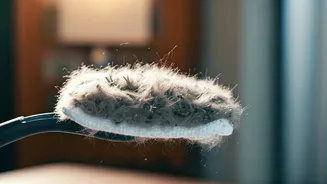
feather dusters and dry cloths often exacerbate this issue, inadvertently scattering fine particles into the air. These airborne specks then settle on surfaces, creating a continuous cycle of dust accumulation and dispersal. This is why the simple, yet highly effective, technique of damp dusting has resurfaced as a preferred method. By just slightly moistening a cleaning cloth, you can break this perpetual cycle. The water acts as a natural mechanism to capture and hold onto dust, effectively removing it from your living space rather than just redistridistributing it, leading to a cleaner environment and less sneezing during the cleaning process.
Physics of Particle Capture
The efficacy of damp dusting is rooted in fundamental physics, particularly the role of static electricity. When you use dry cloths or dusting tools, friction can generate static charges. These charges can act counterintuitively, repelling fine dust particles away from the cloth, much like magnets pushing each other apart. This repulsion is why dry dusting often fails to collect all the dust. In contrast, a damp cloth neutralizes these static forces. The moisture creates a conductive surface that prevents static buildup and allows the cloth to adhere to and grip dust particles. Instead of pushing them away, the slightly moist surface attracts and traps them, ensuring that what you wipe off stays in the cloth until it's laundered.
Improving Air Quality
Research has highlighted the significant impact of dusting methods on indoor air quality. Studies indicate that dry dusting and certain aerosol sprays can dramatically increase airborne particle levels. Rather than collecting dust, these methods release it into the atmosphere, where it circulates and eventually settles elsewhere. This phenomenon contributes to allergies and respiratory discomfort, often causing people to sneeze during cleaning. Damp dusting, however, fundamentally alters this dynamic. The moisture in the cloth acts as a binding agent, making dust particles heavier and ensuring they adhere to the cloth. This prevents them from becoming airborne, thereby reducing inhalation and improving the overall air quality within your home. This technique is particularly beneficial for households with individuals sensitive to dust or pet dander, as it actively removes allergens from the environment.
Humidity and Optimal Dampness
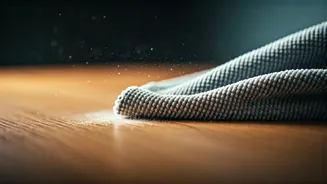
While moisture is key to effective damp dusting, the degree of dampness and ambient air conditions play a crucial role. Scientific investigations suggest that excessively high humidity can make dust particles too heavy for even static-charged tools to manage effectively. The ideal scenario involves a cloth that is barely damp to the touch, not saturated. An overly wet cloth can leave streaks on surfaces or, in enclosed spaces, potentially encourage the growth of mold. Achieving the right level of dampness mimics the principles explored in advanced cleaning technologies that leverage surface texture and static forces. For optimal results, start cleaning from the highest surfaces in a room and work downwards. This way, any errant particles are caught by lower, uncleaned areas. Using a high-quality microfiber cloth further enhances this technique, as its fine fibers are already adept at trapping dust, and a light mist of water amplifies its effectiveness.
DIY Dusting Power
The effectiveness of damp dusting lies in its simplicity and accessibility, demonstrating that superior cleaning results don't require expensive equipment. By understanding how to properly prepare your cleaning cloth—specifically, how much moisture to include—you can significantly improve your home's cleanliness and reduce allergen levels for extended periods. This scientifically validated approach transforms a mundane chore into an efficient method for maintaining a healthier living environment. It's a practical hack that highlights how small adjustments in our cleaning habits can yield substantial benefits. Next time you reach for a conventional duster, consider the effortless power of a slightly damp cloth to truly capture and remove dust.