








Forts and Palaces
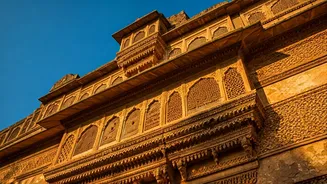
India's forts and palaces are emblematic of its imperial past. Rajasthan, in particular, is renowned for its majestic forts, such as Amer Fort in Jaipur,
which showcases exquisite architecture with intricate carvings and expansive courtyards. The fort offers panoramic views of the surrounding landscape, providing a sense of grandeur and historical significance. Nearby, the City Palace in Udaipur stands as a stunning example of royal residences, with its elegant design and historical collections. These forts and palaces offer a window into the lives of rulers, their strategic importance, and the artistic achievements of their time.
Spiritual Sanctuaries
India's spiritual sanctuaries are not just places of worship; they are also architectural marvels that reflect the country's deep-rooted religious beliefs and practices. The temples of Khajuraho in Madhya Pradesh are famous for their intricate sculptures, representing various aspects of life and spirituality, with each carving narrating a complex story of art and devotion. The Golden Temple in Amritsar, with its shimmering golden facade, symbolizes harmony and equality, attracting visitors from all over the world. These spiritual sites offer moments of reflection, cultural exchange, and a glimpse into the spiritual heartbeat of India.
Archaeological Marvels
The archaeological sites of India provide tangible connections to the ancient civilizations that once flourished here. The ruins of Hampi in Karnataka, a UNESCO World Heritage site, were once the capital of the Vijayanagara Empire. The detailed carvings and monumental structures showcase the architectural skills of the time. The Ajanta and Ellora caves in Maharashtra stand as a testament to India's artistic heritage, with their rock-cut temples and intricate murals depicting various aspects of Buddhist, Hindu, and Jain traditions. These sites offer a rich understanding of India's history, culture, and artistic evolution.
Coastal Historical Sites
Coastal India also has its share of historical sites, often reflecting colonial influences and maritime trade. Fort Kochi in Kerala, with its colonial architecture, Chinese fishing nets, and historical churches, tells tales of global connections and cultural exchanges. The churches and cathedrals of Goa, like the Basilica of Bom Jesus, showcase a blend of European and Indian architectural styles, representing the legacy of Portuguese rule. These coastal historical sites offer a unique perspective on India's past, illustrating how its interactions with the world shaped its identity.
Historical Monuments
The historical monuments of India are not just structures; they represent stories of love, loss, and national pride. The Taj Mahal in Agra, a symbol of eternal love, is a masterpiece of Mughal architecture, known for its marble structure and intricate artwork. India Gate in Delhi, built as a memorial to Indian soldiers, stands as a reminder of the nation's sacrifices and bravery. These monuments not only showcase architectural and engineering prowess but also serve as important reminders of India's rich and complex history. They continue to inspire and remind everyone of the events that have shaped the nation.