





Understanding the Core Difference
The fundamental distinction between shaving and waxing lies in their approach to hair removal. Shaving operates by precisely cutting the hair shaft at the skin's
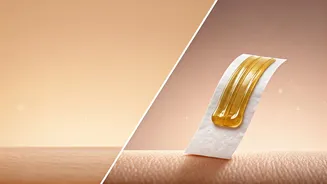
surface, utilizing a razor. In contrast, waxing removes hair from its origin, the follicle, by applying a sticky substance, either warm or cold, and then swiftly pulling it away. This divergence in technique significantly influences the sensation experienced during the process, the duration of smoothness achieved, and how the skin ultimately reacts. It's this intrinsic difference that dictates which method might be more suitable for individuals managing sensitive or easily irritated skin.
Waxing: The Long-Lasting Appeal
Opting for waxing can grant a prolonged period of silky-smooth skin, often extending for as long as a month. A notable benefit is that the hair tends to grow back with a finer and softer texture compared to shaving. Beyond hair removal, the waxing process offers a gentle form of exfoliation by lifting away dead skin cells from the surface. However, individuals with sensitive skin must be prepared for potential adverse reactions, which can include pronounced redness, unwelcome rashes, and general skin irritation. There's also an elevated likelihood of experiencing ingrown hairs and inflammation. Furthermore, if you're currently using retinol-based products or undergoing treatments for acne, it's advisable to steer clear of waxing, as it could exacerbate these conditions.
Shaving: The Gentle Approach
When it comes to a gentler skin experience, shaving often takes the lead. Because it doesn't involve the pulling or tugging associated with waxing, it typically inflicts less trauma on the skin. This makes it a more approachable option for those whose skin is easily prone to irritation or allergic reactions. Shaving offers the convenience of being performable at any time, without the necessity of waiting for significant hair regrowth. On the flip side, the smooth results from shaving are generally short-lived, with new hair typically making an appearance within a week, or sometimes as soon as three to four days. You might also encounter issues like razor burns, nicks, or bumps, and the regrowing hair might feel coarser. Therefore, for sensitive skin concerns, shaving is frequently considered the safer alternative, offering a greater degree of control over the process.
The Verdict for Sensitive Skin
Ultimately, shaving is frequently the preferred choice for individuals grappling with sensitive or reactive skin. Its primary advantage is the avoidance of the skin trauma that can result from the hair being pulled out during waxing. In contrast, waxing opens up the hair follicles, which, in certain circumstances, can heighten the susceptibility to infections. Therefore, the most effective hair removal method is a decision that hinges on your specific skin type, your personal pain threshold, and, crucially, how your skin consistently responds to each technique. It’s a personalized choice that prioritizes your skin's well-being and comfort.