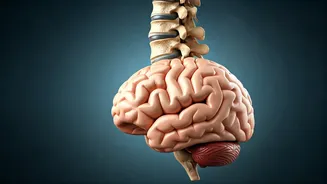








Back Pain's Brain Impact
Emerging research presents a concerning revelation: chronic back pain may be significantly impacting our cognitive functions, essentially shrinking brain
power. It's estimated that a staggering 600 million individuals worldwide grapple with spinal issues. These conditions often lead to nerve and bone diseases, creating a cascade effect that extends beyond physical discomfort. The intricate connection between the spine and the brain means that prolonged pain and dysfunction in one area can negatively affect the other. This phenomenon is particularly worrying as it affects a substantial portion of the global population, highlighting a critical public health concern that requires immediate attention and understanding. The degradation of nerve pathways and the inflammatory responses associated with chronic pain can create an environment detrimental to optimal brain function, affecting memory, concentration, and overall cognitive sharpness.
Beyond Physical Discomfort
The ramifications of chronic back pain extend far beyond mere physical discomfort, delving into the very core of our mental faculties. When the spine suffers from persistent issues, it often involves damage to nerves and bones, which can disrupt essential bodily functions. This disruption can lead to a heightened state of inflammation throughout the body, a known contributor to cognitive decline. Moreover, the constant struggle with pain can lead to sleep deprivation, increased stress levels, and reduced physical activity, all of which are detrimental to brain health. The brain's ability to perform complex tasks, retain information, and process thoughts efficiently can be compromised when the body is in a constant state of distress. Understanding this intricate relationship is crucial for developing comprehensive treatment strategies that address both the physical and neurological aspects of back pain.
Posture and Pain Solutions
Addressing poor posture is a fundamental step in mitigating the debilitating effects of chronic back pain and its impact on cognitive abilities. Swami Ramdev advocates for a holistic approach, emphasizing specific yogasanas designed to correct spinal alignment and strengthen supporting muscles. These practices not only alleviate physical discomfort but also promote better blood circulation to the brain, potentially aiding cognitive function. Simple yet effective exercises focusing on core strength and flexibility can make a significant difference. Furthermore, adopting ergonomic adjustments in daily life, such as maintaining proper sitting and standing postures, can prevent the exacerbation of pain. By consciously working towards a healthier spine and better posture, individuals can take proactive steps to safeguard their overall well-being, including their precious brain power.