



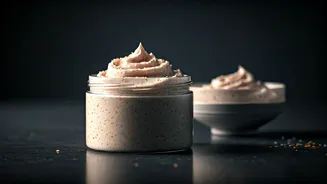
The Science Behind Malai
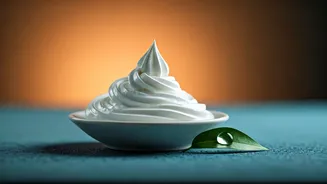
The efficacy of malai as a skincare solution lies in its rich composition, particularly its lactic acid content. Lactic acid, a well-regarded Alpha Hydroxy
Acid (AHA), plays a crucial role in skin renewal by gently loosening the bonds that hold dead skin cells together. This process encourages the shedding of damaged cells, paving the way for fresher, healthier skin to emerge. Beyond its exfoliating properties, the substantial natural fats present in malai are instrumental in reinforcing the skin's protective barrier. This dual action of exfoliation and lipid replenishment ensures that while dead skin is removed, the skin is simultaneously deeply hydrated and its natural defenses are bolstered, offering a nourishing experience that avoids the micro-tears often associated with harsh physical scrubs.
Malai and Turmeric for Radiance
For an instant pick-me-up before a special occasion, a potent combination of malai and turmeric offers remarkable results. Turmeric, renowned for its active compound curcumin, possesses powerful anti-inflammatory and antioxidant characteristics. These properties actively regulate melanin production, helping to fade existing tan marks and prevent further darkening. To prepare this invigorating mask, blend a tablespoon of fresh malai with a tiny pinch of kasturi turmeric—this specific variety is recommended to avoid any temporary yellow staining of the skin. Apply an even layer to tanned areas and allow it to sit for 15 to 20 minutes before rinsing gently with lukewarm water. This treatment effectively revitalizes and brightens the complexion.
Oily Skin Solution: Malai and Besan
For individuals with oily skin, the idea of applying a rich cream might seem counterproductive. However, malai can be adapted into an effective treatment by incorporating besan (gram flour) and rose water. Besan serves as a gentle physical exfoliant, aiding in the removal of loosened dead skin cells, while also possessing the ability to absorb excess sebum. To create this balancing mask, combine a tablespoon of malai with a spoonful of besan. Gradually add rose water until a smooth, spreadable paste forms. Allow this mixture to partially dry on the face for approximately 15 minutes. Just before washing it off, gently massage the skin in circular motions to enhance the exfoliation process and lift away impurities, leaving the skin feeling clean and refreshed without stripping its natural moisture.
Tackling Deep Tans: Malai and Lemon
Addressing deeply set or stubborn tans requires a more potent approach, and the combination of malai and lemon juice provides an effective solution. Lemon juice is rich in Vitamin C and citric acid, a natural bleaching agent that can help lighten dark pigmentation. However, applying lemon juice directly can be too harsh for the skin, potentially damaging its protective barrier. Malai acts as an essential buffer, mitigating the acidity of the lemon juice and allowing its beneficial properties to work without causing irritation or redness. Mix one tablespoon of malai with half a teaspoon of fresh lemon juice. Apply this potent blend only to the tanned areas for a maximum of 10 to 15 minutes, then rinse thoroughly with cool water. This careful application ensures effective tan lightening while protecting the skin.
Essential Skincare Practices
To maximize the benefits of these malai-based treatments and ensure skin health, adhering to certain guidelines is crucial. It is advisable to use these masks a maximum of two to three times per week to prevent over-exfoliation, even with gentle ingredients like lactic acid. Furthermore, always rinse your face with cool or lukewarm water, as hot water can strip away the beneficial lipids that malai provides, diminishing its hydrating effects. Most importantly, consistent sunscreen application is non-negotiable. After using these treatments, your skin becomes more sensitive to UV radiation. Applying SPF daily, especially the morning after a mask, is vital to protect the newly revealed skin cells and prevent further sun damage or tanning.