







Launch Date Shift
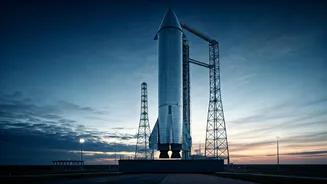
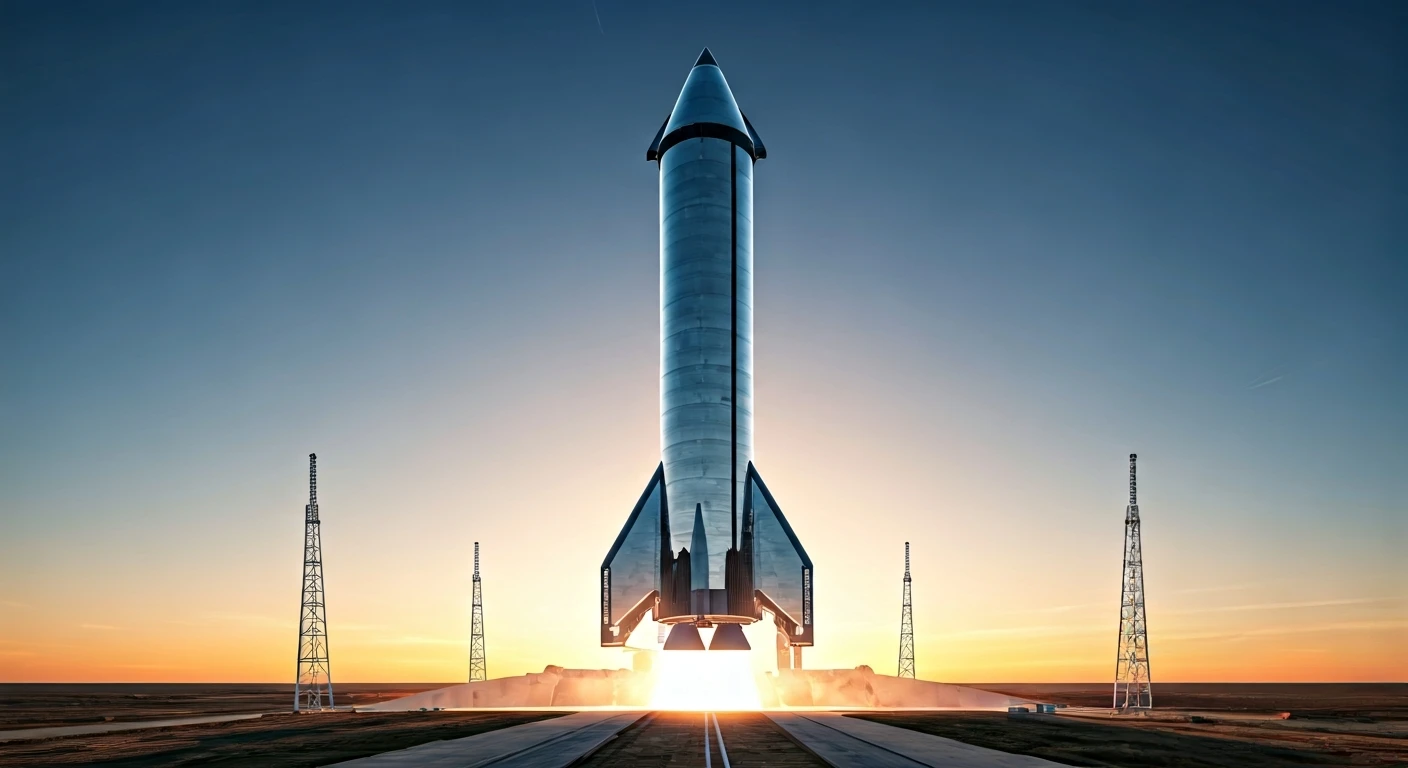
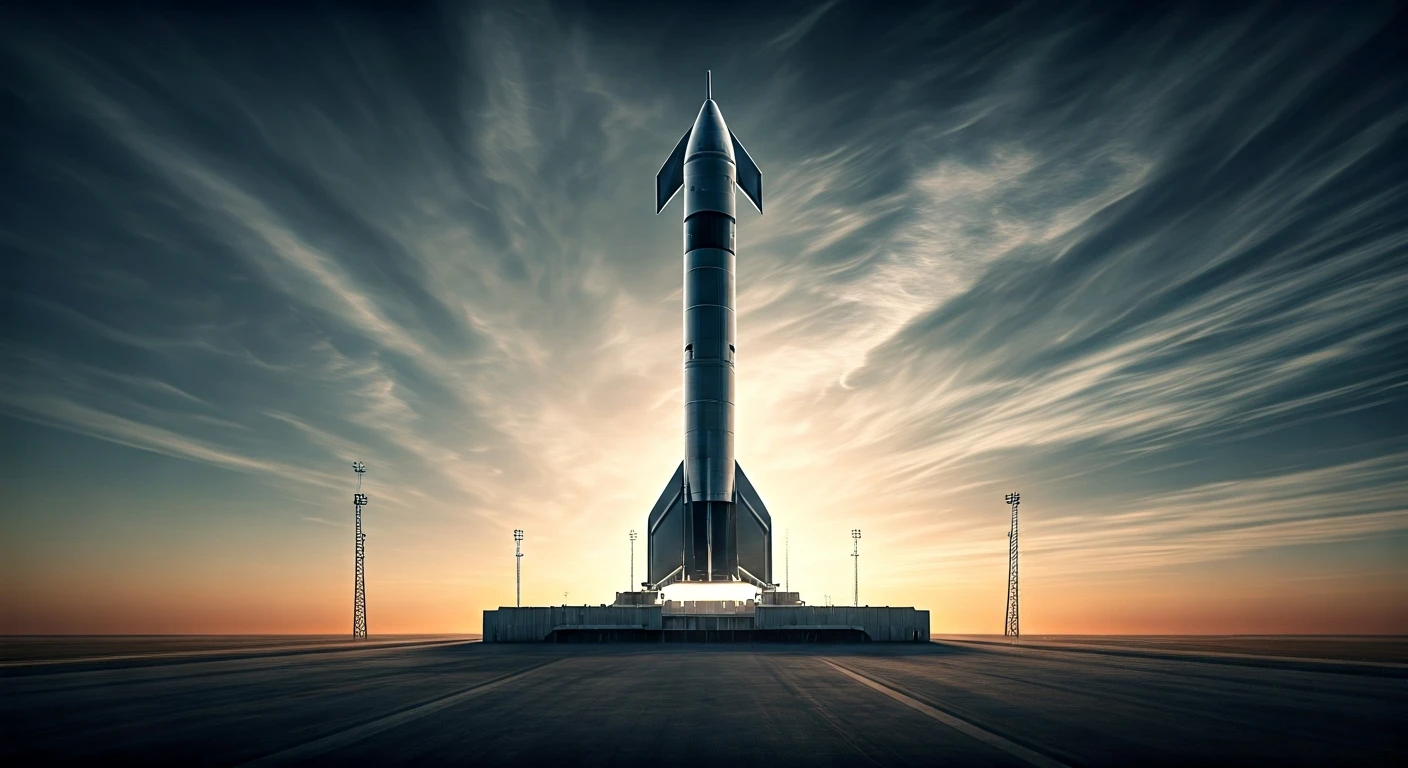
SpaceX's momentous Starship Flight 12 has experienced a slight postponement, with its launch window now slated for Thursday, May 21st. Initially targeted
for Tuesday, May 19th, the schedule was adjusted to Wednesday, May 20th, and subsequently to the current Thursday target. Liftoff is anticipated within a 90-minute window commencing at 6:30 p.m. EDT (2230 GMT), from Launch Pad 2 at the Starbase facility in South Texas. This marks the first Starship test flight of 2026, following a series of five successful flights in 2025, and comes after a seven-month interval since the Flight 11 mission last fall. The ongoing adjustments highlight the meticulous and iterative process SpaceX employs in developing its ambitious rocket technology, ensuring all systems are optimized for success before the critical ascent.
Flight Objectives
This upcoming test flight, Flight 12, is designed to mirror the suborbital trajectory of its predecessors, with the Starship upper stage aiming for a controlled splashdown in the Indian Ocean approximately 65 minutes post-launch. A key demonstration will be the deployment of 20 dummy Starlink satellites from the Ship. Additionally, two specialized probes equipped with cameras will capture and transmit imagery of the Starship as it journeys through space, providing valuable visual data. Concurrently, the Super Heavy booster will execute its own controlled descent and splashdown in the Gulf of Mexico, roughly seven minutes after the initial liftoff. This flight continues the crucial steps toward SpaceX's goal of full rocket reusability, a cornerstone for reducing launch costs and enabling future ambitious projects.
Future Implications
The success of Starship Flight 12 carries significant weight for NASA's Artemis program, as the rocket is earmarked to serve as the lunar lander for astronauts on the Artemis 4 mission scheduled for 2028. Beyond its role in lunar exploration, SpaceX is fundamentally relying on Starship's fully reusable design to revolutionize launch economics, making its extensive human spaceflight initiatives, the deployment of Starlink internet satellites, and the establishment of orbital data centers more financially viable. While previous flights have tested aspects of the system, including the carrying of dummy satellites, this mission is another vital step towards proving the rocket's capability for orbital missions and payload delivery, a capability yet to be fully demonstrated.
Technological Advancements
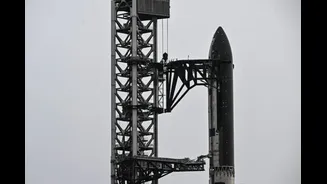
Flight 12 will feature the debut of Starship Version 3 (V3), representing the most advanced and powerful iteration of the megarocket developed by SpaceX to date. This significant upgrade over previous versions is a primary reason for the extended development period and the gap between flights. The V3 iteration incorporates numerous enhancements aimed at improving performance, reliability, and overall capability. As SpaceX progresses with these sophisticated test flights, the company is also looking ahead to future launch scenarios where both the Super Heavy booster and the Starship upper stage will attempt controlled landings and eventual recovery at the Starbase launch site. This includes the utilization of the innovative "Mechazilla" pad structure, designed to catch returning boosters with large robotic arms, a critical component of the system's reusability strategy that has already seen successful captures of the Super Heavy booster.