







Metabolic Survival Mode
The human body is an incredibly adaptable machine, especially during periods of limited food intake. When you embark on a 3-day water fast, a significant
metabolic shift takes place. The body initially draws on readily available glucose for energy. As these stores diminish, typically within the first 24 hours, the body begins to tap into its fat reserves. This process, called ketogenesis, leads to the production of ketones, which become the primary fuel source for the brain and other tissues. This switch into "survival mode" marks the beginning of the body's conservation efforts, conserving vital resources for the duration of the fast. Understanding this metabolic adaptation is key to understanding the physiological responses that take place.
Organ, Electrolyte Impact
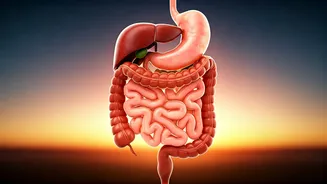
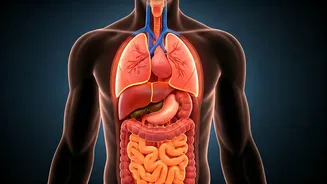
The 3-day water fast can have both positive and negative effects on the organs and electrolytes. While some individuals may experience improved insulin sensitivity and cellular repair, it's also important to be aware of the potential risks. Electrolyte imbalances are a major concern, as the body loses vital minerals like sodium, potassium, and magnesium through urine. These imbalances can lead to fatigue, muscle cramps, and, in severe cases, cardiac arrhythmias. The kidneys have to work harder to filter waste products from the body, and prolonged fasting may put an additional strain on these organs. It is essential to consult a healthcare professional before considering a water fast, especially if you have underlying health issues.
Muscles' Reaction Revealed
The effects of a 3-day water fast on muscle mass are an area of interest. During fasting, the body may begin to break down muscle tissue to convert proteins into glucose, especially if fat reserves are insufficient. This process, known as gluconeogenesis, is a survival mechanism, but it can lead to muscle loss. This muscle breakdown is more pronounced if the fast is not done properly and if a person is already lean. Resistance training during the refeeding phase can help to mitigate some muscle loss and support muscle recovery. Maintaining adequate protein intake once the fast concludes is also essential. For athletes, or those who value muscle mass, careful consideration and professional guidance are critical.
Who Should Avoid?
While a 3-day water fast might be considered for some, it is not appropriate for everyone. Certain individuals should avoid this practice altogether, or only undergo a fast with strict medical supervision. This includes those with a history of eating disorders, as fasting can trigger disordered eating behaviors. People with diabetes must be particularly cautious, as fasting can drastically alter blood sugar levels. Pregnant or breastfeeding women also should not fast, as it can deprive the fetus or infant of essential nutrients. Moreover, anyone with a chronic illness, such as kidney disease or heart conditions, needs medical clearance before considering this approach. Prioritizing safety and well-being is vital when considering any dietary intervention.