





The Crucial Third Stage
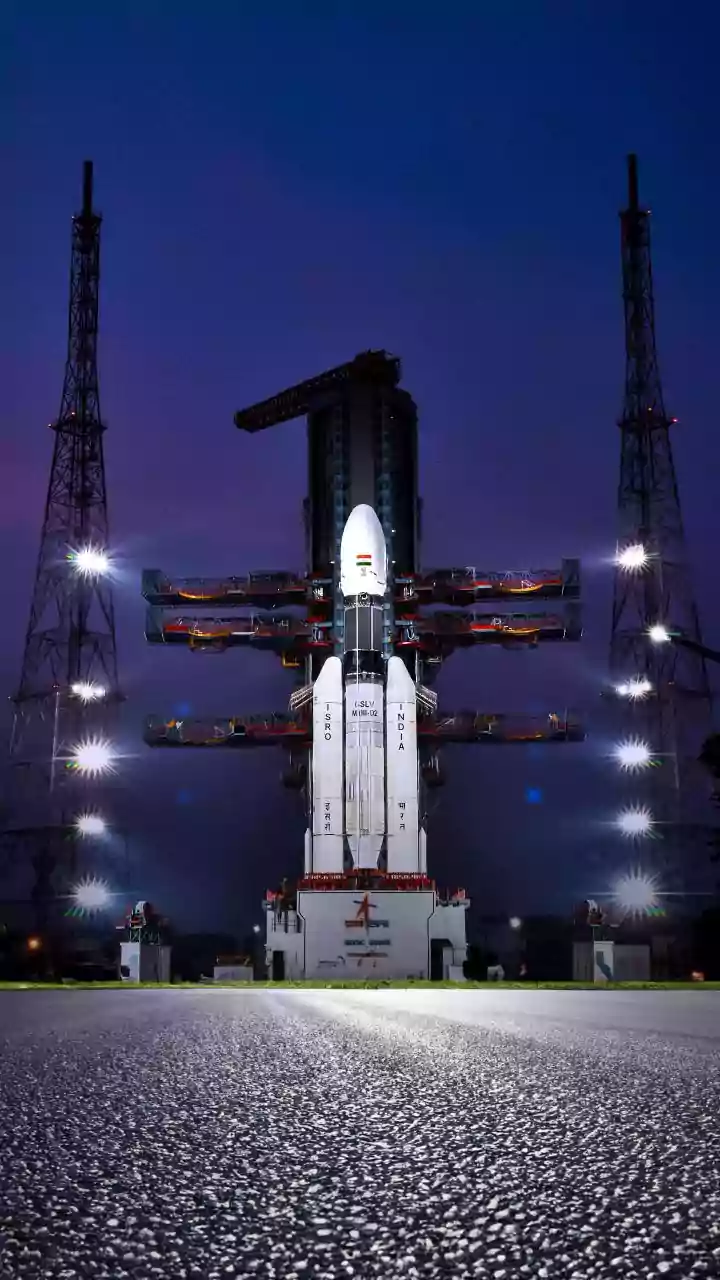
The third stage is the final propulsion phase of an ISRO rocket, a critical component that propels satellites into their intended orbits. Its primary function
is to provide the final velocity kick needed to reach the precise orbital parameters. This stage often utilizes a cryogenic engine, which burns liquid hydrogen and liquid oxygen. These propellants, when combined, produce a highly efficient thrust, crucial for the vacuum of space. The engine's ignition, operation, and cutoff must be flawless for mission success. Unlike the earlier stages, which primarily provide initial thrust to escape Earth's gravity, the third stage must fine-tune the satellite's speed and direction, making it the most complex and demanding part of the launch sequence. Any minor deviation at this point can lead to significant orbital errors, ultimately affecting the mission's objectives. Therefore, meticulous design, rigorous testing, and precise control are essential for the third stage's effective function.
Cryogenic Engine Dynamics
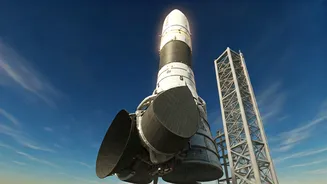
The cryogenic engine, the heart of the third stage, introduces significant challenges. These engines use liquid hydrogen and liquid oxygen, substances that must be stored at extremely low temperatures. Handling and managing these cryogenic propellants is complex. Leakage and boil-off (evaporation) can reduce engine performance. Furthermore, the engine must perform perfectly in the vacuum of space. The absence of atmospheric pressure complicates combustion processes, requiring sophisticated designs to ensure stable and efficient fuel burning. Precise control over the engine's thrust and duration is critical, especially since any small variation can cause a large deviation in the final orbit. Engineers work to ensure the engine ignites reliably, burns fuel efficiently, and shuts down at the right moment. The design must also withstand extreme temperatures and vibrations experienced during launch and space travel, demanding strong materials and sophisticated engineering techniques.
Fuel Management Challenges
Fuel management is another hurdle in the third stage of an ISRO rocket. The amount of liquid hydrogen and liquid oxygen on board must be carefully calculated, and efficiently consumed. The fuel tanks must be designed to withstand the stresses of launch while preventing fuel sloshing, a phenomenon that can destabilize the rocket. The engines and fuel tanks must work in perfect synchronization. The fuel must be delivered at the correct rate and pressure to the engine's combustion chamber. In-flight fuel management systems, including pumps, valves, and control mechanisms, must function without failure. Any problem with fuel supply can disrupt the engine's thrust, directly impacting the mission's success. Engineers therefore employ intricate sensors and control systems to meticulously monitor the fuel levels and the engine's performance, allowing real-time adjustments. Innovative solutions are constantly being researched to improve fuel efficiency and ensure precise control over propellant consumption.
Environmental and Orbital Factors
The third stage's performance is also affected by the space environment. The vacuum of space, the absence of atmospheric pressure, and extreme temperature variations all pose unique challenges. The rocket's structure and engine components must be able to withstand these harsh conditions without degradation. Furthermore, the rocket's position relative to Earth and the satellite's desired orbit play a critical role. The third stage's maneuverability and precision are vital to placing the satellite at the precise location and orientation needed for its mission. The Earth's rotation and gravitational forces must be considered. Precise calculations, combined with accurate navigation systems, are essential to achieve the desired orbit. Engineers must account for all factors, including the launch window, orbital mechanics, and satellite's mission requirements to ensure the final stage successfully accomplishes its goals.
Testing and Iteration
Extensive testing is a critical aspect of validating the third stage's design and functionality. ISRO employs a range of rigorous tests, including simulations, component testing, and full-scale engine tests. The tests evaluate the performance of engines, fuel systems, and guidance systems in conditions simulating the actual launch and space environment. These tests help identify potential issues, allowing engineers to refine designs, correct flaws, and improve reliability. The process involves multiple iterations, with each test contributing to the understanding of the design's strengths and weaknesses. Engineers continuously analyze data from the tests, which is key to learning and improving. These iterative adjustments are crucial for making the third stage reliable and ensuring mission success. The commitment to relentless testing and continuous improvement emphasizes ISRO's dedication to precision and excellence in space exploration.