



January: Winter's Peak
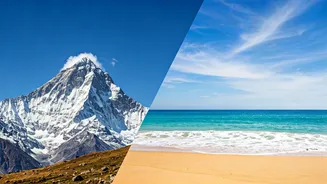
January is a prime month to explore India, offering delightful weather across most of the country. The northern regions transform into a winter spectacle
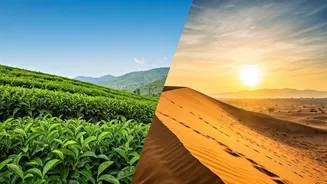
with snowfall in places like Kashmir, Himachal Pradesh, and Uttarakhand. Simultaneously, Rajasthan and Gujarat provide ideal conditions for exploring desert landscapes. The southern parts of India enjoy warm and pleasant climes. This period is also enriched by vibrant festivals such as Makar Sankranti and Pongal, making it an excellent time for both cultural immersion and sightseeing, offering a unique blend of natural beauty and celebratory spirit.
February: Gentle Days
February marks a transition with mild, comfortable weather, devoid of the harshness of peak winter. This month is particularly favored by couples and travelers seeking a more relaxed pace. Wildlife enthusiasts will find abundant opportunities for sightings in parks like Ranthambore and Jim Corbett. Meanwhile, the popular beach destinations of Goa and Kerala continue to welcome visitors with their inviting coastlines. February strikes a harmonious balance, providing pleasant atmospheric conditions ideal for easy travel and leisurely exploration.
March: Vibrant Transition
As spring begins to unfurl, March ushers in warmer temperatures and a spirit of festivity. The iconic Holi festival, known for its explosion of colors, brightly illuminates cities and towns nationwide. While the latter part of the month sees temperatures rising, hill stations, historical cities, and wildlife reserves remain excellent choices for visits. This lively period is especially appealing for those keen on experiencing India's rich cultural celebrations and capturing stunning photographic moments.
April: Cooler Altitudes
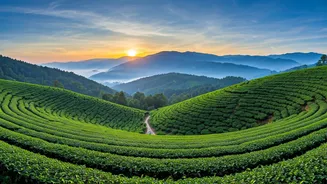
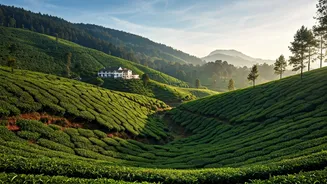
With the plains becoming increasingly hot, the focus shifts to higher, cooler elevations. Destinations such as Shimla, Manali, Darjeeling, Ooty, and Munnar become exceptionally popular, offering respite with their refreshing weather and breathtaking scenery. Trekking trails and nature paths become accessible, making April a favored time for family outings and early summer getaways. The cooler climate at these altitudes provides a perfect escape from the rising heat elsewhere.
May: Mountain Escapes
May is typically one of India's hottest months, yet it signifies the peak season for visiting the Himalayan regions. Hill stations in Himachal Pradesh, Uttarakhand, and the Northeast experience significant tourist influx. Wildlife parks remain active, particularly around their water sources. For many travelers, May is a month dedicated to escaping the plains' heat and seeking refuge in the cooler mountain air, making it a crucial period for mountain tourism.
June: Shifting Seasons
June presents a transitional period, where early summer gradually gives way to the monsoon in various parts of the country. This is when Ladakh and Spiti Valley open up, attracting a large number of adventure seekers. While certain regions in South India start experiencing rainfall, the northern hills continue to offer cooler and more tranquil retreats. It's a month of diverse climatic experiences across different regions.
July: Monsoon's Embrace
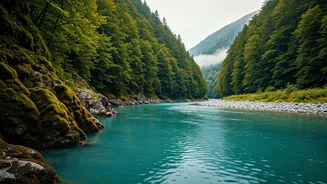
July sees India enveloped in monsoon showers, transforming the landscape into a vibrant tapestry of lush greenery. Waterfalls become more powerful, forests teem with life, and while travel might be slower, the scenery becomes incredibly dramatic. Regions like Kerala and the Western Ghats are particularly stunning during this time. This season is ideal for those who appreciate nature in its most unadulterated form and prefer a less crowded travel experience.
August: Rain & Rituals
The monsoon season persists through August, coinciding with a rich calendar of festivals, including Independence Day and Onam. Hill stations remain enveloped in mist and verdure, and the reduced tourist traffic allows for peaceful journeys. This month is often chosen for its opportunities for cultural immersion rather than for rapid sightseeing, offering a more contemplative travel experience amidst the ongoing rains.
September: Renewed Clarity
As the monsoon rains begin to subside, September brings a refreshing clarity to India's landscapes. The pervasive greenery lingers, the air feels lighter, and tourist destinations start to fully welcome visitors again. With fewer crowds and pleasant weather conditions, this month is particularly excellent for photography enthusiasts and those who enjoy relaxed exploration, offering a chance to see the country in its post-monsoon splendor.
October: Prime Season
October is widely recognized as one of the most optimal months for traveling across India. The monsoon has completely withdrawn, the skies are clear, and temperatures are comfortable nationwide. Major festivals like Navratri and Durga Puja infuse the atmosphere with vibrancy and color. From the northern reaches to the southern coasts, conditions are perfect for extensive travel and experiencing the diverse cultural tapestry of the country.
November: Calm Skies
November offers some of the most predictable and pleasant travel conditions of the entire year. Characterized by mild temperatures, clear blue skies, and stable weather, it's ideal for road trips, wildlife safaris, and exploring historical sites. Cities, deserts, beaches, and national parks all showcase their best attributes during this period, without the congestion of peak tourist seasons, making it a truly enjoyable time to explore.
December: Festive Charm
December marks the end of the year with a delightful combination of festive celebrations and winter beauty. Snow begins to fall in the northern hill stations, while cities and coastal areas buzz with Christmas and New Year festivities. As one of the busiest travel months, it attracts a significant number of both domestic and international tourists. Planning ahead rewards visitors with memorable winter experiences amidst the holiday spirit.