






The Evolving Glow
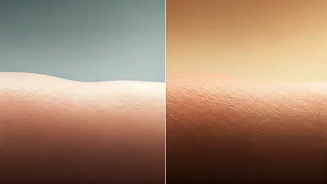
The pursuit of luminous skin has evolved beyond a singular ideal. 'Glass skin' and 'dewy skin,' often confused, are distinct goals achieved through different
methods and yield varying results, especially for Indian skin tones where pigmentation, texture, and local climate are significant factors. It's no longer just about the immediate appearance but also about the long-term health and resilience of the skin. Today's glow is less about layering copious amounts of product and more about fostering fundamental skin function, aiming for a balanced complexion that doesn't require constant intervention. While both aesthetics aim for radiance, glass skin prioritizes a refined, smooth surface, whereas dewy skin emphasizes sustained surface moisture. This differentiation is crucial for crafting an effective skincare regimen, particularly in environments marked by heat, pollution, and humidity, which profoundly influence how products perform and how the skin behaves throughout the day.
Decoding Skin Aesthetics
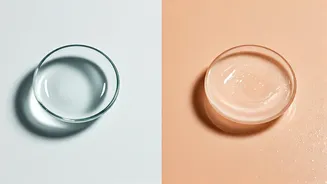
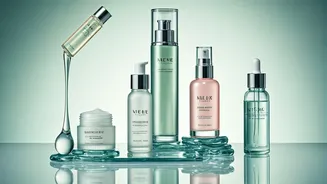
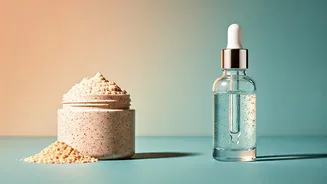
Glass skin is characterized by its ultra-smooth texture, uniform tone, and a virtually poreless appearance, akin to a pane of clear glass. Attaining this look typically necessitates a consistent regimen involving gentle exfoliation to refine the surface, robust hydration to plump the skin, and diligent barrier support to maintain its integrity. Ingredients like mild alpha-hydroxy acids (AHAs) and polyhydroxy acids (PHAs), alongside potent hydrating agents, are key for gradually improving skin texture. In certain carefully managed instances, treatments such as mild chemical peels might be employed to further enhance smoothness, but these require professional guidance. Dewy skin, in contrast, is all about maximizing and maintaining surface hydration. This look is achieved through the strategic use of rich moisturizers, hydrating serums, and occlusive products that seal in moisture, creating a soft, luminous sheen rather than a highly polished finish. The fundamental divergence lies in their core philosophies: glass skin is a long-term project built on consistent care, while dewy skin can be achieved more rapidly but demands ongoing efforts to preserve moisture levels throughout the day. Both contribute to overall skin health but address different underlying concerns.
Tailoring to Indian Skin
For individuals with Indian skin tones, external environmental factors often play a more pronounced role in the outcome of skincare efforts than might be initially apparent. The higher melanin content can make the skin more susceptible to hyperpigmentation issues, while the prevalent humidity in many regions can already impart a naturally dewy appearance. Attempting to achieve the stringent smoothness of glass skin through aggressive exfoliation can inadvertently lead to increased sensitivity, the exacerbation of uneven tone, or damage to the skin's natural protective barrier. Conversely, focusing solely on hydration to achieve a dewy look might fail to address common concerns like clogged pores or a compromised texture. Different skin types within the Indian demographic will respond uniquely; for instance, oily skin might benefit from controlled exfoliation coupled with lightweight hydration, whereas dry or sensitive skin types would require more intensive barrier support and exceptionally gentle formulations. Ultimately, a balanced approach integrating mild exfoliating agents with sustained hydration typically yields the best gradual improvements without overwhelming the skin.
Enduring Radiance
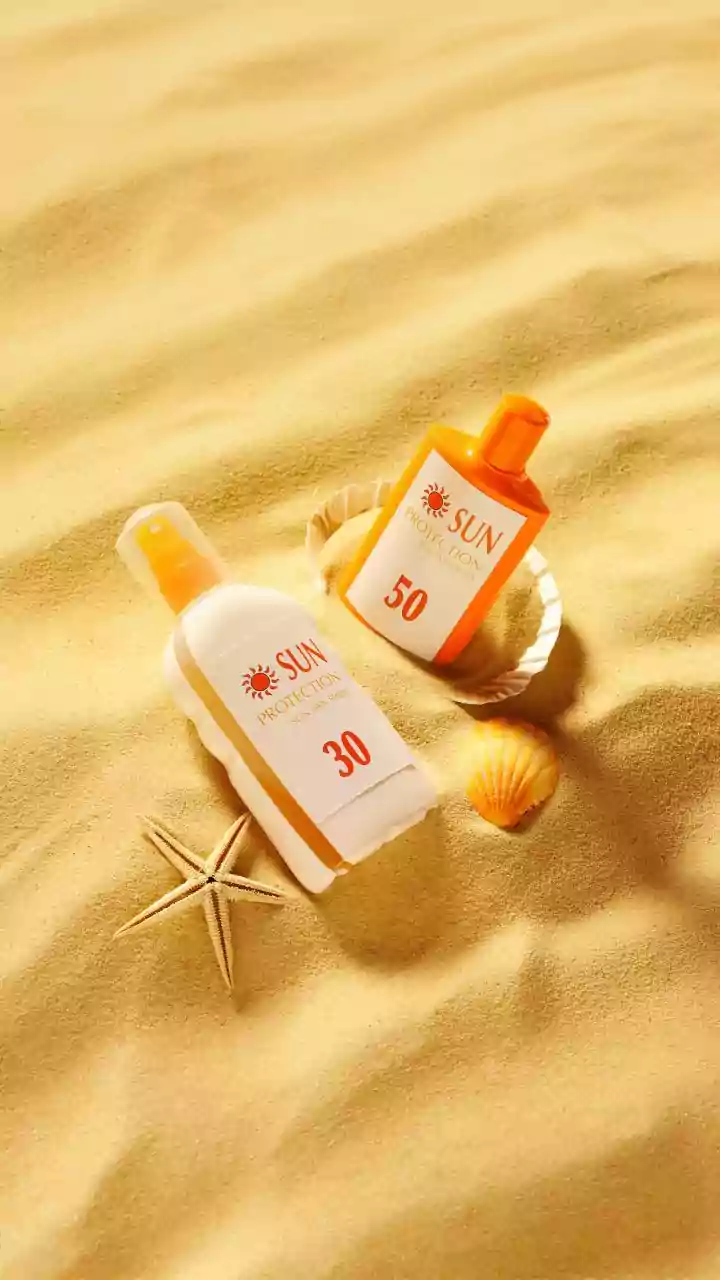
The secret to a lasting, healthy glow lies less in the specific aesthetic finish and more in the consistent, long-term maintenance of the skin's health. Whether one gravitates towards the polished clarity of glass skin or the soft luminescence of dewy skin, the foundational principles remain universally applicable. Skin that is adequately hydrated, effectively protected from environmental stressors, and not subjected to overly aggressive treatments is inherently more likely to appear clearer and more even over time. Natural radiance is often a byproduct of diligent, consistent care rather than intense, short-lived efforts. When the skin's protective barrier is fortified and hydration levels are optimally maintained, a natural luminosity emerges organically, negating the need to force a particular cosmetic appearance.