




The Silent Threat
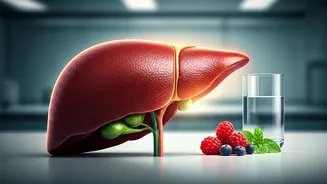
Many individuals in their thirties grapple with severe fatty liver, a condition often stemming from seemingly innocuous daily habits. Our subject, a 34-year-old,
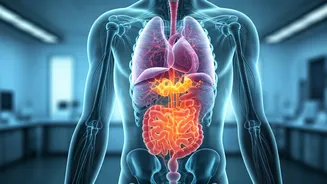
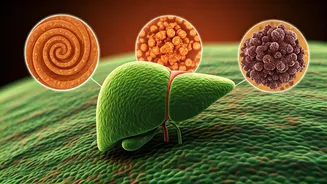
initially dismissed his fatigue, a symptom masked by his lifestyle choices: frequent late-night food orders, copious amounts of sugary tea, prolonged sedentary periods, and reliance on energy drinks. This led to an almost imperceptible weight gain of nearly eight kilograms over two years, culminating in a persistent discomfort beneath his right rib cage. Subsequent medical evaluations uncovered Grade 3 fatty liver, the most advanced stage of Non-Alcoholic Fatty Liver Disease, preceding significant inflammation and damage. His liver enzymes were elevated, triglyceride levels were high, and his blood sugar was teetering on the edge of prediabetes. This wasn't a result of extreme indulgence, but rather a gradual accumulation of detrimental habits, including refined carbohydrate consumption, hidden sugars, minimal physical activity, and regular soda intake, which collectively pushed his liver into a precarious state. At this critical juncture, fatty infiltration can compromise over two-thirds of the liver, dramatically escalating the risks of inflammation, fibrosis, and ultimately, cirrhosis. While the diagnosis was alarming, the liver’s regenerative capacity offers hope, but in this case, an ill-advised AI diet recommendation exacerbated the problem, underscoring the necessity of a disciplined, scientifically supported approach to management, moving beyond quick fixes towards structured nutritional therapy.
Nutrition Therapy Principles
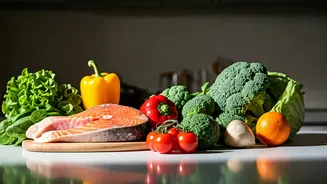
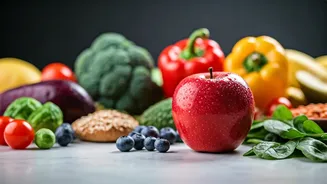
The path to reversing severe fatty liver is paved with disciplined nutrition therapy, built upon clear, quantifiable principles, rather than fleeting fad diets. The initial intervention focused on strategic energy restriction, implementing a calculated calorie deficit of 500 to 1,000 kcal daily. This controlled deficit aimed for a safe and gradual weight loss of approximately half to one kilogram per week, a pace research consistently shows is crucial for initiating liver healing at a cellular level, with a loss of 7–10% of body weight being the recognized threshold. Complementing this, a Mediterranean-style diet was adapted using familiar Indian ingredients. The emphasis shifted towards whole grains, abundant vegetables, lean protein sources, and healthy fats, while completely eliminating refined and processed foods. The macronutrient distribution was carefully calibrated: 40–50% of daily calories were allocated to complex, low-sugar carbohydrates, 15–20% to lean proteins, and less than 30% to beneficial fats, prioritizing monounsaturated and polyunsaturated fatty acids. Incorporating fiber-rich staples such as oats, millets, and brown rice played a vital role in modulating gut microbiota, which has a direct and significant impact on liver health. Walnuts and various seeds contributed anti-inflammatory fats, while leafy greens and fruits provided antioxidants to combat oxidative stress. Even unsweetened coffee, consumed moderately, was included for its documented protective effects on liver enzymes. Crucially, certain items were entirely removed from the diet. All forms of sugar, especially fructose found in soft drinks, juices, and sweets, were eliminated. Fried and ultra-processed foods were completely cut out. Sodas, pulped juices, and colas were deemed non-negotiable items that had to be eradicated to facilitate liver healing.
Fitness and Progress
Integrated seamlessly with the dietary overhaul, physical activity became a non-negotiable part of his daily regimen. His journey began with modest short walks, progressively increasing in duration until he was comfortably completing nearly an hour of walking each day. This was later augmented with light strength training, gradually building muscle without excessive exertion. The key to this phase was not intensity, but unwavering consistency, which ultimately proved to be the decisive factor in his recovery. Within just three months of adhering to this combined approach, subtle yet measurable improvements began to manifest. His overall energy levels saw a noticeable boost, and the unpleasant feeling of heaviness after meals subsided. Subsequent blood tests confirmed a reduction in liver enzyme levels, signaling the early stages of recovery. By the six-month mark, he had successfully shed around six kilograms. Imaging reports indicated a positive shift in his condition, moving from advanced to a moderate stage of fatty liver. His lipid profile normalized, and his blood sugar levels stabilized, moving out of the prediabetic range. The culmination of his efforts was evident by the ninth month, with transformations that were both clinically significant and personally impactful. After a full year of sustained effort, his liver function had returned to a state that was near-normal.
AI vs. Human Guidance
His recovery narrative serves as a critical reminder about the limitations of relying solely on Artificial Intelligence for personalized dietary advice. The patient experienced conflicting recommendations from various AI-generated plans; some were overly restrictive, while others were too vague, failing to account for his specific blood markers, lifestyle constraints, or the nuances of his gradual progress. AI, in its current form, struggles to interpret dynamic changes like fluctuating liver enzymes, adapt to co-existing conditions such as insulin resistance, or consider potential medication interactions. Generic AI-driven plans can overlook essential nutrient balances, potentially even exacerbating metabolic health issues instead of improving them. A patient's dietary plan must be a dynamic entity, continuously evolving and adjusted based on their progress, individual tolerance, and crucial behavioral factors like motivation and adherence. Unlike static AI algorithms, human healthcare professionals provide the empathetic and adaptable guidance that is often essential for achieving and maintaining long-term health improvements. This emphasizes that while AI can offer information, it cannot replace the nuanced understanding and personalized care provided by medical experts, especially when dealing with serious health conditions like Grade 3 fatty liver.