

Millet's Mighty Return
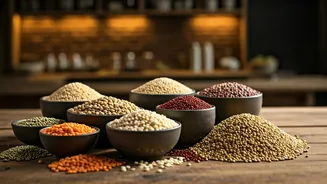
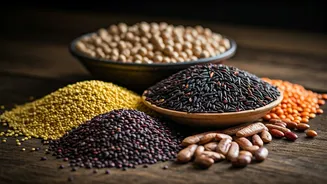
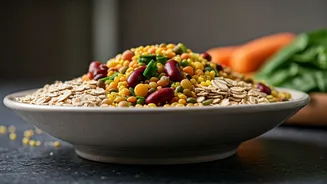
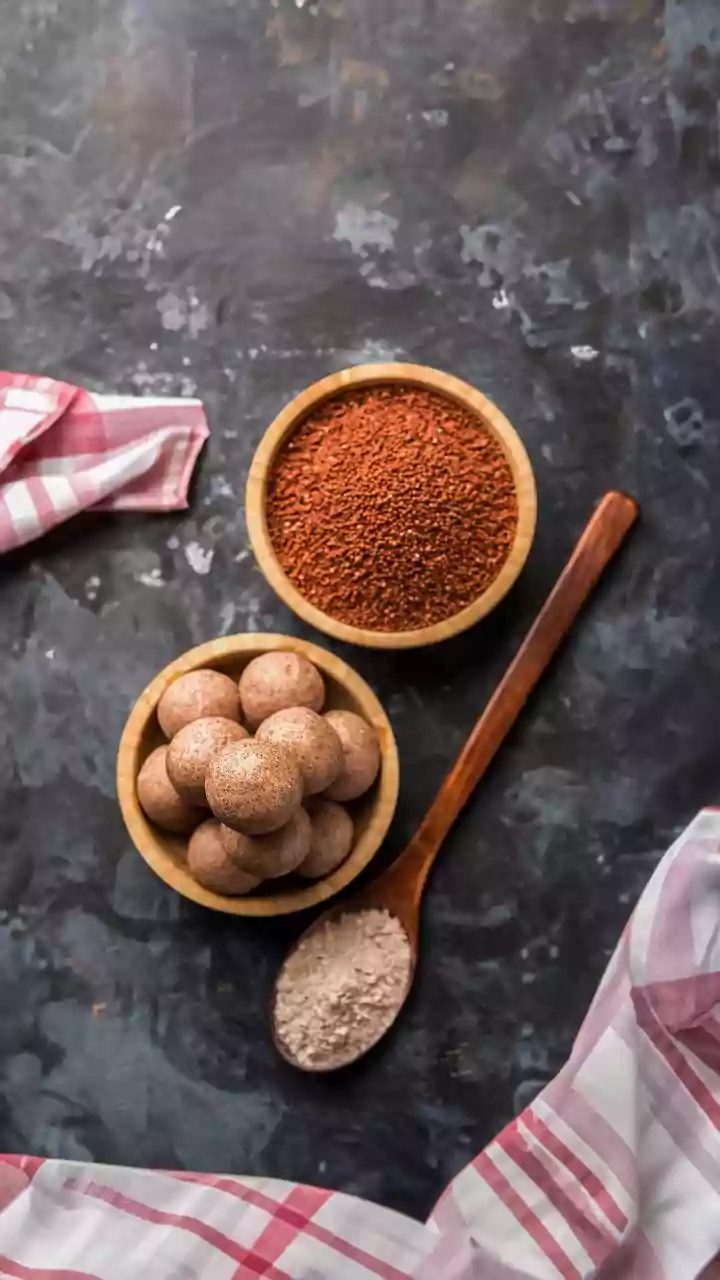
Long before the term 'supergrain' was coined, millets like bajra, jowar, and ragi were fundamental to Indian diets, providing sustained energy through
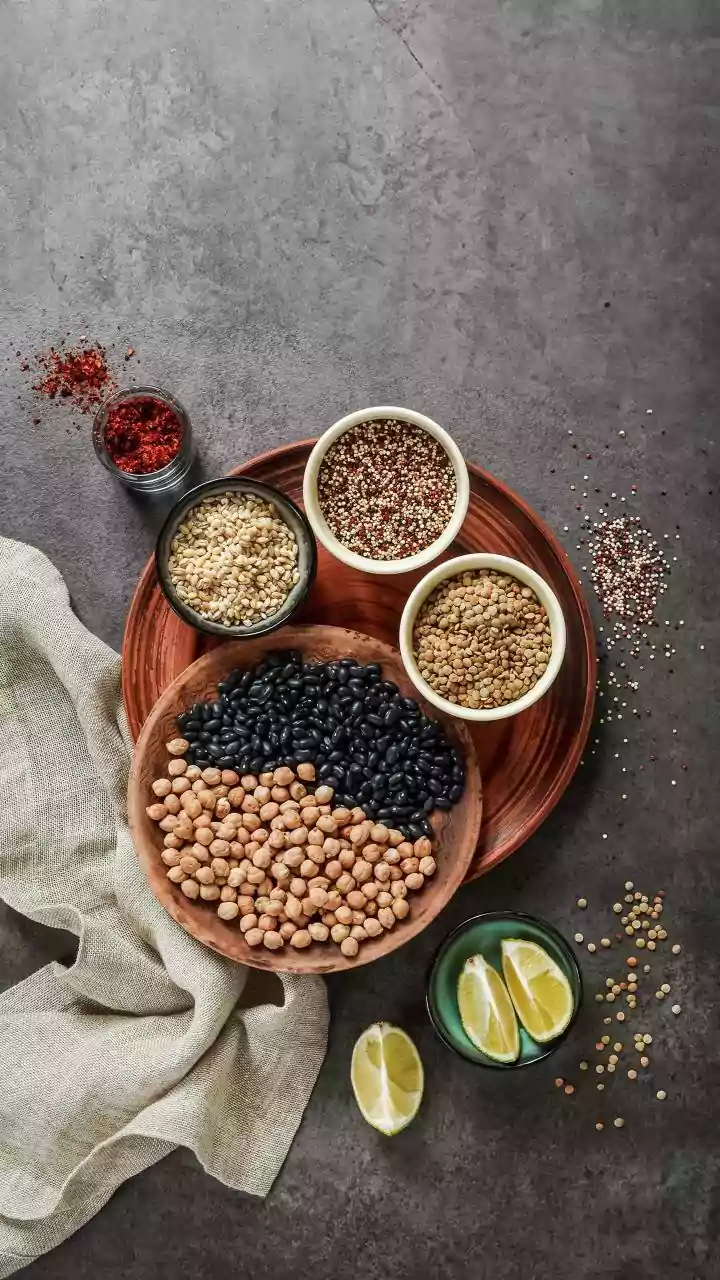
humble rotis and porridges. These nutrient-dense grains were gradually overshadowed by refined rice and flour. Today, they are experiencing a resurgence, lauded for their high fiber, mineral content, and beneficial impact on blood sugar levels. This renewed appreciation reflects a global shift towards balanced eating, recognizing millets not just as a fallback option, but as a smarter, more wholesome choice that our elders instinctively understood and utilized for daily vitality.
Jaggery's Sweet Comeback
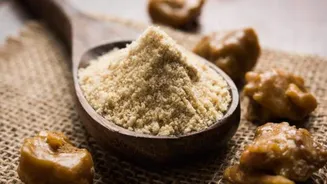
Before the ubiquity of refined sugar, jaggery was the preferred natural sweetener in Indian households, incorporated into warm drinks, traditional sweets, and warming winter preparations. Its rich, unrefined sweetness and comforting essence provided a wholesome energy boost. Now, jaggery is being rediscovered as a natural alternative to processed sugar, appealing to those seeking less industrial sweetness. Its deep flavor, rustic charm, and cultural resonance offer a sense of comfort and familiarity, aligning perfectly with a modern craving for food that feels more authentic and deeply rooted in tradition.
Curd: Gut Health Staple
Curd, or dahi, has always been an indispensable part of the Indian culinary landscape, served with meals, blended into refreshing chaas, or simply enjoyed on its own for its cooling properties. Grandparents relied on its goodness not for its trendiness, but for its reliable digestive benefits and familiarity. Today, curd is celebrated for its probiotic richness, essential for gut health and immunity. While the scientific validation is now more pronounced, the practice of consuming curd for well-being remains unchanged, serving as a time-tested remedy for digestive comfort and a cool respite on warm days, proving that some foods need no reinvention, only recognition.
Makhana's Snack Elevation
Makhana, or fox nuts, once occupied a modest niche in Indian food culture, primarily consumed during fasting periods or as a simple, lightly roasted snack. Stored in everyday pantries, these puffed seeds were a common, easily digestible treat for children and praised by elders for their lightness. Recently, makhana has undergone a remarkable transformation, being marketed as a premium, health-conscious snack with high protein and low fat content, often presented in sophisticated packaging. This evolution from a humble staple to a 'designer' snack highlights its inherent versatility and satisfying lightness, which has always been its enduring appeal.
Ghee: Nourishing Fat
Ghee, a staple in traditional Indian cooking, was liberally used to enhance the flavor and texture of countless dishes, from rotis and rice to dals and sweets. It was perceived not as an indulgence, but as a fundamental source of nourishment, comfort, and strength. For a period, evolving dietary advice led to ghee being viewed with suspicion. However, it has now reclaimed its esteemed position, embraced in moderation for its rich flavor, satiating qualities, and connection to culinary heritage. The renewed affection for ghee underscores a growing desire for foods that are both functional and emotionally grounding.
Fermented Foods' Rise
Long before the concept of the 'microbiome' gained widespread attention, Indian kitchens were adept at fermentation, producing staples like idlis, dosas, dhokla, and pickles. These foods were practical, seasonal, and deeply ingrained in household culinary wisdom, not created as intentional wellness products. Today, fermentation is a celebrated global food trend, recognized for its significant benefits to digestion and gut diversity. In India, however, this practice has always been an integral part of daily cooking, demonstrating how ancient wisdom, disguised as the familiar, is now being lauded for its profound health advantages.
Chutneys and Spices
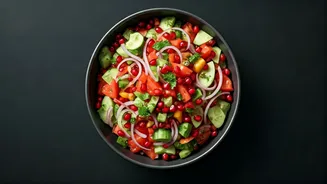
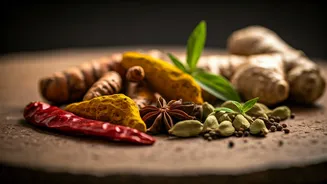
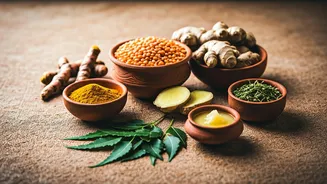
Indian grandparents considered chutneys, in their myriad forms like coconut, mint, and tomato, to be more than mere accompaniments; they were essential for adding zest, freshness, and depth to meals. Similarly, spices such as ajwain, jeera, and turmeric were integral to daily cooking, valued for both taste and their digestive properties. Modern food culture is now recognizing this dual role of flavor and function, with chutneys and spices being celebrated once again for their ability to elevate simple dishes and enhance overall well-being. This rediscovery highlights the profound wisdom inherent in traditional kitchens that focused on holistic nourishment without chasing fleeting trends.