





Revolutionary Drugs, Troubling Trends
Glucagon-like peptide-1 (GLP-1) receptor agonists, known commercially as drugs like Ozempic, Wegovy, and Mounjaro, have undeniably revolutionized modern
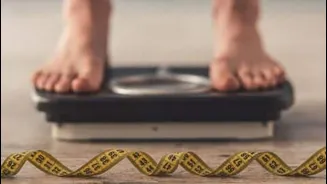
healthcare, particularly for conditions such as Type 2 diabetes and obesity. These medications work by mimicking a natural hormone that plays a crucial role in regulating insulin secretion, managing appetite, and maintaining energy balance, thereby offering significant metabolic benefits. While their clinical efficacy is well-established, their escalating popularity in India has unfortunately led to widespread misuse. Instead of being employed as essential medical interventions for those who genuinely require them, these powerful drugs are increasingly being sought as quick fixes for cosmetic weight loss. This shift, heavily influenced by social media and celebrity culture, prioritizes rapid aesthetic changes over sustained health improvements, raising serious questions about the ethical implications and the medicalization of vanity in the country.
The Affluent's Shortcut
The accessibility of these advanced weight-loss injections in India reveals a stark picture of inequality. Dr. Vimal Pahuja points out that access is heavily concentrated among the affluent, with monthly treatment costs ranging from ₹70,000 to ₹90,000. This prohibitive price tag places the medication far beyond the reach of the majority of patients who medically need it. Compounding this issue is the diversion of supply chains; stock intended for hospital diabetes programs is increasingly being rerouted to exclusive wellness clinics catering to aesthetic demands. Consequently, individuals with Type 2 diabetes, for whom these medications are a lifeline for blood sugar control and prevention of severe complications, are facing critical shortages and escalating prices. Their need is for survival, not appearance, and the current trend effectively deprives them of their essential medical treatment due to a focus on cosmetic desires.
Unseen Health Perils
The unsupervised and often inappropriate use of these potent hormonal modulators carries substantial health risks, far beyond the cosmetic appeal they offer. Dr. Pahuja emphasizes that these are not mere cosmetic agents but powerful medications with significant physiological effects. Misuse can manifest as severe gastrointestinal issues, dangerous dehydration, inflammation of the pancreas (pancreatitis), and acute kidney injury. Furthermore, rapid weight loss without proper medical guidance can lead to significant muscle mass depletion and a gaunt appearance, often termed 'Ozempic face.' The psychological repercussions are equally concerning; abrupt cessation can trigger intense rebound hunger, rapid weight regain, and profound emotional distress, potentially leading to depression. Without integrated nutritional planning and exercise, individuals might achieve a lower number on the scale but be left in a worse metabolic state, highlighting the critical need for professional oversight.
Dependency Over Discipline
A more profound concern stemming from this trend is the shift towards a pharmacological dependency model for weight management in India. Rather than addressing the root causes of rising obesity, diabetes, and lifestyle disorders—such as processed diets, sedentary lifestyles, poor sleep, and chronic stress—there's an escalating reliance on quick pharmaceutical solutions. Dr. Pahuja warns that if this continues, India risks cultivating a generation that is regulated by hormones rather than by self-discipline and healthy lifestyle choices. This reliance on chemical intervention over behavioral change could have long-term detrimental effects on public health, potentially creating a society that prioritizes an easy fix over sustainable well-being. The emphasis is shifting from building healthy habits to seeking a medical shortcut, undermining efforts to foster genuine, lasting health.
The 'Pre-Wedding' Phenomenon
A particularly telling indicator of this cultural shift towards rapid weight loss is the significant rise in 'pre-wedding weight loss' consultations. In numerous clinics, this has become a distinct service category, with prospective brides and grooms seeking maximum doses of these injections to achieve dramatic results in just a few weeks leading up to their wedding. This phenomenon underscores how deeply ingrained body image anxieties have become, permeating even life's most significant milestones. The desire to appear lean and fit for such a prominent event often overrides concerns about health and responsible medication use. While GLP-1 drugs remain invaluable tools for managing obesity and diabetes when used appropriately, their expansion beyond established clinical boundaries amplifies the associated medical, ethical, and societal risks, transforming a medical miracle into a tool for vanity.