







Cabin Pressure & Emotion
The unique atmosphere within an airplane cabin plays a significant role in our emotional state. Researchers suggest that the enclosed, hybrid environment—part
private space, part public venue—can foster a unique affective state, making individuals more susceptible to emotional responses, including crying. This is further compounded by physiological changes that occur at high altitudes. Even at altitudes as low as 4,000 to 5,000 feet, our respiration rates can begin to change, and since airplane cabins are typically pressurized to simulate altitudes between 6,000 and 8,000 feet, these respiratory alterations are more pronounced. While the connection between respiration and emotion is still being explored, there's a suggestion that shifts in breathing patterns can, in turn, influence our emotional experience, potentially heightening feelings and leading to more tears.
Beyond the Cabin
Numerous other factors associated with air travel can amplify our emotional sensitivity. The journey itself can be a source of significant discomfort and stress. Travelers often experience separation from loved ones, which can evoke feelings of sadness or longing. Additionally, anxieties surrounding flying, a general fear of travel, or a sense of disorientation from being in an unfamiliar environment can contribute to heightened emotions. The constant low hum of the plane, potential jet lag, and physical discomforts like ear pressure or motion sickness add to the overall stress. When these myriad stressors converge, it creates a fertile ground for emotional vulnerability, making it unsurvivable for many to reach for tissues during a flight.
Emotional Regulation Strategies
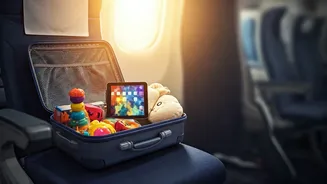
Fortunately, there are practical strategies to help manage emotional responses during flights. Proactive planning is key. Arriving at the airport early can reduce pre-flight stress, and investing in conveniences like preferred seating or priority boarding allows for a more settled start to the journey. Packing essential comfort items, such as a reusable water bottle for hydration and familiar, soothing belongings like a favorite blanket or snacks, can make a significant difference. Creating buffer time before and after travel, by scheduling downtime the day before and after your trip, aids in achieving a more regulated emotional state and allows for recovery. Ensuring adequate sleep before a flight and avoiding excessively early departures, if possible, can also mitigate pre-travel fatigue and stress, thereby improving your overall emotional resilience.
Selecting the Right Film
Once settled on the plane and ready to watch a movie, careful selection can be crucial for emotional well-being. For individuals prone to anxiety, it's advisable to steer clear of genres that tend to increase physiological arousal, such as horror or intense thrillers, as these can amplify feelings of unease. Conversely, for those feeling more emotionally vulnerable, opting for lighter fare, like a comforting comedy or a familiar, feel-good film, can be highly beneficial. The power of laughter and the sense of security derived from something known can be remarkably effective in reducing stress and promoting a more positive emotional state, ultimately helping to prevent unwanted tears during your flight.