
Gentle Cleansing Routine
The foundation of any good skincare routine begins with proper cleansing. Washing your face removes dirt, oil, and impurities that accumulate throughout
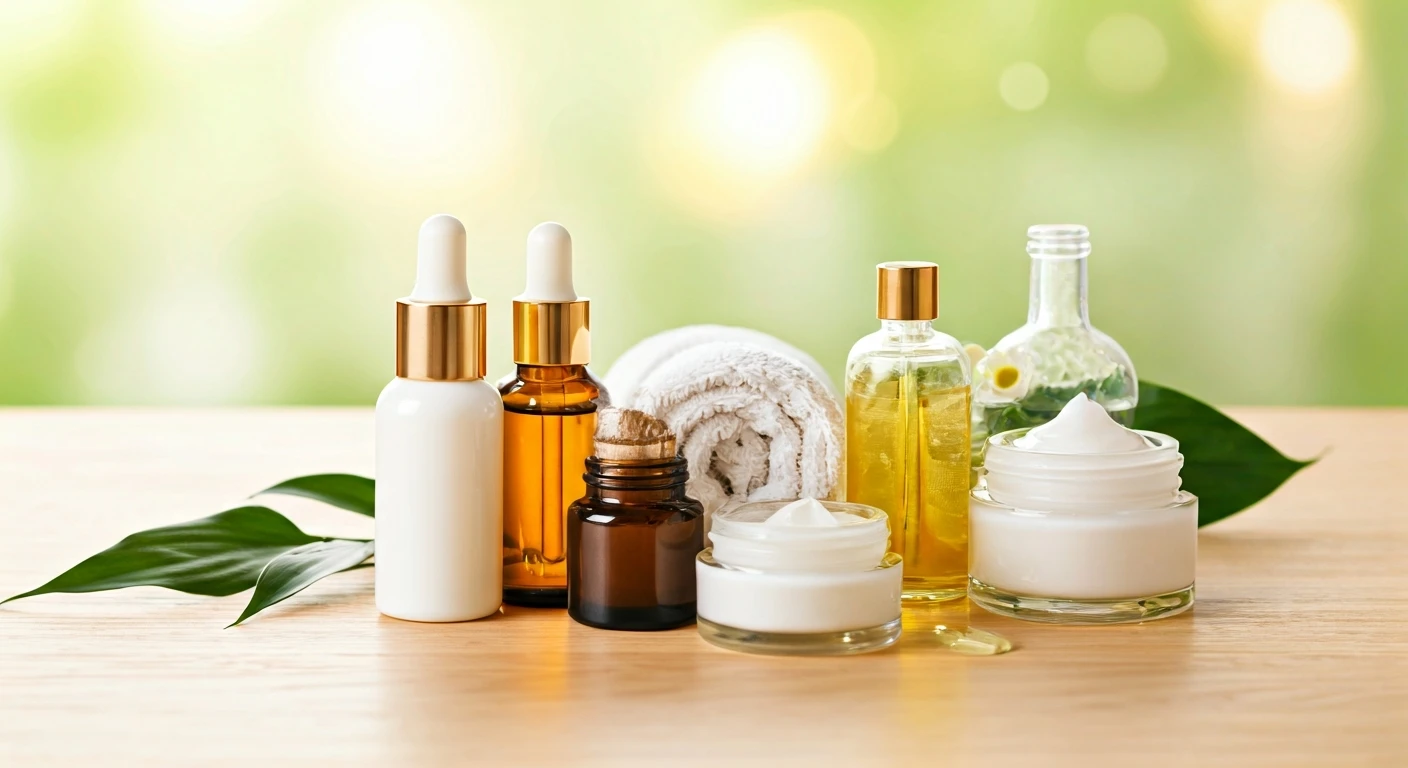
the day, which can clog pores and exacerbate skin fatigue. When you are feeling stressed or tired, the skin's natural barrier can become compromised. Use a gentle cleanser that suits your skin type, whether it is dry, oily, or combination. Avoid harsh soaps or cleansers that can strip your skin of its natural oils, leading to dryness and irritation. Always cleanse your face twice a day – once in the morning and once before bed. Thoroughly wet your face with lukewarm water, apply the cleanser in circular motions, and gently rinse. Pat your skin dry with a soft towel instead of rubbing. Proper cleansing creates a clean canvas for subsequent skincare products to work effectively and helps in restoring the skin's natural balance.
Hydration is Key
Hydration plays a crucial role in maintaining healthy and radiant skin. Dehydration can manifest in the form of dullness, fine lines, and increased sensitivity. To combat this, ensure you are drinking sufficient water throughout the day. Water intake requirements vary based on individual factors, but aim for at least eight glasses of water daily. In addition to internal hydration, external hydration is equally important. Incorporate a hydrating moisturizer into your daily routine, especially after cleansing. Choose a moisturizer with ingredients like hyaluronic acid, which attracts and retains moisture. Apply the moisturizer to slightly damp skin to lock in the hydration. For an extra boost, use hydrating face masks once or twice a week. These masks can replenish lost moisture and provide essential nutrients to rejuvenate tired skin, making it look plump and revitalized.
Embrace Antioxidants
Antioxidants are powerful allies in the fight against tired skin. Stress and fatigue can lead to increased free radical production, which damages skin cells and accelerates aging. Antioxidants neutralize these free radicals, protecting your skin from damage. Incorporate antioxidant-rich skincare products into your routine, such as serums containing vitamin C, vitamin E, or green tea extract. Vitamin C, in particular, is known for its brightening and collagen-boosting properties. Apply these serums in the morning, under your moisturizer, to shield your skin from environmental stressors throughout the day. Alongside topical antioxidants, consider consuming an antioxidant-rich diet. Foods such as berries, leafy greens, and nuts are packed with antioxidants that support overall skin health. A balanced diet, along with targeted skincare products, creates a holistic approach to revitalizing tired skin and enhancing its natural radiance.
Prioritize Sleep
Quality sleep is essential for overall health, and it also plays a significant role in skin rejuvenation. During sleep, your body repairs and regenerates cells, including skin cells. Lack of sleep can lead to dullness, dark circles, and an overall tired appearance. Aim for seven to nine hours of quality sleep each night. Establish a regular sleep schedule to regulate your body's natural sleep-wake cycle. Create a relaxing bedtime routine to prepare your mind and body for sleep, such as taking a warm bath, reading a book, or practicing meditation. Invest in a comfortable sleep environment, ensuring your bedroom is dark, quiet, and cool. When you prioritize sleep, your skin has the opportunity to repair and replenish itself, resulting in a refreshed and radiant complexion. Sufficient sleep is a vital component of a comprehensive skincare strategy.
Reduce Stress Levels
Chronic stress can manifest in the skin, leading to breakouts, inflammation, and premature aging. Managing stress is, therefore, crucial for maintaining healthy and vibrant skin. Identify your stressors and implement strategies to reduce their impact. Incorporate stress-reducing activities into your daily routine, such as exercise, yoga, or meditation. Physical activity releases endorphins, which have mood-boosting effects and can alleviate stress. Mindfulness practices, such as meditation, help to calm the mind and reduce anxiety. Make time for hobbies and activities you enjoy, to provide a mental escape from the demands of daily life. Practicing self-care can also contribute to reducing stress. This may involve taking a relaxing bath, indulging in a skincare treatment, or simply setting aside time for yourself. By actively managing your stress levels, you create an environment that supports healthy skin and contributes to an overall sense of well-being.