



Reynisfjara's Dramatic Coast
Venture to Reynisfjara, located near the charming village of Vík in Iceland's southeast. This renowned beach is celebrated for its striking black volcanic
sand and the iconic geometric basalt columns that stand guard along its edge. The atmosphere is undeniably moody yet breathtakingly beautiful, making it a beloved spot for both international visitors and locals. As you approach the water's edge, the powerful Atlantic waves crash and churn around the Reynisdrangar sea stacks, which emerge from the ocean spray like ancient, stone teeth. Local folklore whispers that these basalt formations are actually petrified trolls caught out after sunrise, adding a layer of mythical allure to the already magical landscape. While Reynisfjara is visually spectacular, it is also a place that demands utmost respect due to the unpredictable 'sneaker waves' that can surge unexpectedly onto the shore, posing a significant danger. Swimming and posing for photographs with your back to the ocean are strongly discouraged here.
Djúpalónssandur's Rock Formations
Discover Djúpalónssandur, a captivating pebbly beach nestled at the base of the majestic glacier-capped volcano, Snæfellsjökull, northwest of Reykjavík. The name translates to 'Deep Lagoon’s Sand,' a nod to a tranquil inland lake, though the lagoon itself is merely about 5 meters deep. This unique landscape is characterized by dramatic rock formations born from ancient lava flows, including the intriguing Söngklettur, or 'Singing Rock,' which legend says is under the protection of elves. Adding a poignant historical touch, the rusted remains of a British trawler, wrecked in 1948, lie scattered across the sand, serving as a somber monument to the lives lost. Djúpalónssandur offers a fairytale-like setting for a leisurely stroll. However, visitors are advised to maintain a safe distance from the water, as the waves here can be deceptively powerful and more hazardous than they appear.
Nauthólsvík Geothermal Haven
Experience the unique Nauthólsvík Geothermal Beach, an artificial oasis located just a short distance from downtown Reykjavík, perfect for an urban escape. During the warmer months, geothermally heated water, maintained at a comfortable 15–19°C (59–66°F), is channeled into the lagoon, creating an inviting swimming environment within the metropolitan area. Visitors can relax on the imported golden sand or, for the more adventurous, take a dip in the colder sea waters for a bracing contrast. This inviting beach is accessible year-round, though it is closed on Sundays and Mondays. It offers a welcome respite with its convenient amenities, including changing facilities, showers, and even steam baths and hot tubs, making it a complete recreational destination.
Fellsfjara's Iceberg Spectacle
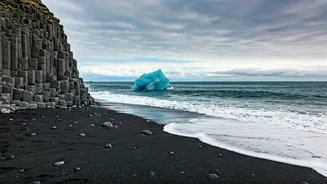
Prepare to be mesmerized by Fellsfjara, also known as Diamond Beach, a truly unique destination where glistening icebergs are scattered across a stark black sand shore. These luminous ice fragments are shed from the Breiðamerkurjökull glacier, drifting across the Jökulsárlón glacier lagoon before making their way to the ocean. Once at sea, they are broken into smaller pieces by the waves and then washed back onto the beach, creating a surreal and dazzling display. It's a photographer's dream and a bucket-list item for many. While the scene is enchanting, it's crucial to exercise caution: the beached ice blocks can be slippery and possess sharp edges, making climbing on them inadvisable. New icebergs continuously calve from the glacier, ensuring the beach's ever-changing, sparkling appearance.
Grótta Island's Coastal Charm
Explore Grótta Island, a small natural reserve situated at the very tip of the Seltjarnarnes Peninsula, offering a touch of wildness close to Iceland's capital. This charming coastline, characterized by smooth stones and dark sand, is a local favorite, watched over by a historic 19th-century lighthouse. At low tide, it's easy to walk across the exposed seabed to reach the lighthouse for a closer look. Grótta Island is a fantastic location for wildlife encounters, especially seabirds, and it's even accessible by foot from Reykjavík's city center. You might also spot surfers testing the waves off the peninsula. For those visiting in winter, Grótta Island presents an exceptional opportunity to witness the aurora borealis, thanks to its minimal light pollution.
Stokksnes: Peaks and Sands
Experience the dramatic convergence of mountains and sea at Stokksnes, an atmospheric beach defined by the imposing, jagged peaks of Vestrahorn. This distinctive coastline, dusted with charcoal-colored sand, is just a short 20-minute drive from the town of Höfn in Iceland's southeast. The striking feature is the sawtooth ridge of Vestrahorn, which soars to 454 meters. The mountain's dark hue and sharp formation are attributed to the high concentrations of iron and magnesium within its gabbro rock. Visiting in winter offers the chance to see the mountain blanketed in snow and provides an incredible backdrop for viewing the aurora borealis from the sandy shore, making it an unforgettable natural spectacle.
Rauðisandur's Red Hues
Discover Rauðisandur, aptly named 'Red Sands,' a breathtaking and remote beach in the Westfjords region that lives up to its moniker. This expansive shoreline stretches for over 10 kilometers, showcasing sands with a distinct reddish tint that contrast beautifully with the looming cliffs and windswept grasslands. It remains an utterly unspoiled stretch of Icelandic coast, offering a sense of profound tranquility. Reaching Rauðisandur is an adventure in itself, requiring a lengthy journey of approximately 395 kilometers from Reykjavík. For those seeking an even more immersive experience, camping options are available nearby, promising a restless night filled with the eerie whispers of the wind along the shore, adding to its wild charm.