
Origins of Pongal
Pongal, a Tamil harvest festival, is deeply rooted in the agricultural traditions of South India, a practice dating back centuries. It is celebrated annually
to express gratitude to the sun god, the earth, and the cattle for a bountiful harvest. The festival's name comes from the Tamil word 'pongu,' meaning 'to boil over,' which symbolizes prosperity. Historically, Pongal was a vital aspect of the agrarian community, marking the end of the harvest season and the beginning of a new cycle. Over time, Pongal evolved beyond its agricultural roots, becoming a cultural and social event, celebrated with various rituals, traditions, and the preparation of the sweet Pongal dish. It remains an important time for family reunions and communal feasting.
The Significance of Pongal
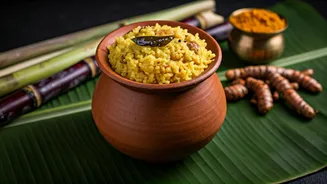
The Pongal festival is not just about the harvest; it's a celebration of life, renewal, and gratitude. The ritual of boiling rice in a clay pot is central to the celebration. The overflowing of the rice, mixed with milk and jaggery, symbolizes abundance and prosperity for the coming year. The direction in which the pot overflows is also believed to be significant. If the pongal boils over to the east, it is considered auspicious. Pongal is also a time for families to come together, exchange gifts, and enjoy festive meals. The festival is observed over four days: Bhogi, Thai Pongal, Mattu Pongal, and Kaanum Pongal, each with its own set of rituals and significance. This celebration reflects the deep connection between the Tamil people and their land, honoring the elements that sustain life.
Culinary Traditions Explained
The culinary aspect of Pongal is as important as the religious rituals, making it a feast for the senses. The sweet Pongal dish, usually made with newly harvested rice, milk, jaggery, and ghee, is the highlight. The preparation of this dish is a community affair, often prepared outdoors to symbolize the connection with the earth and the sun. Apart from sweet Pongal, various other dishes are prepared during the festival, showcasing the diversity of Tamil cuisine. These include savory dishes like vada, sambar, and different types of rice preparations. The festive meals are enjoyed together as a community, reflecting the spirit of togetherness and shared prosperity. The use of fresh ingredients and traditional cooking methods emphasizes the importance of preserving the culinary heritage of the region.
Festival's Four Distinct Days
Pongal is celebrated over a period of four days, each holding special importance and rituals. Bhogi is the first day, marked by discarding old items and celebrating the onset of a new beginning, often involving a bonfire. The second day, Thai Pongal, is the most significant, dedicated to the sun god. Families prepare sweet Pongal and offer it to the sun, expressing gratitude for a successful harvest. The third day, Mattu Pongal, is dedicated to the cattle, considered sacred in the agricultural community. Cows are adorned, and special feasts are arranged to show appreciation. The fourth and final day, Kaanum Pongal, is a time for social gatherings, games, and visiting relatives, emphasizing the spirit of community and celebration.
The Blend of Culture
Pongal beautifully blends agricultural practices, culinary traditions, and religious customs, creating a unique cultural experience. The festival highlights the importance of agriculture and expresses gratitude to nature's elements. The preparation and sharing of the Pongal dish symbolize abundance and communal harmony. The celebration goes beyond religious practices and integrates traditional arts, music, and dance, making it a vibrant cultural event. Pongal embodies the values of gratitude, renewal, and community spirit, reflecting the rich heritage and traditions of the Tamil people. This festival continues to be a cherished celebration, bringing people together and reinforcing the cultural identity of the region.