









Heat's Toll On Brain
India's escalating summer temperatures, frequently surpassing 40°C, present a serious health hazard, particularly concerning stroke risk. Neurologists
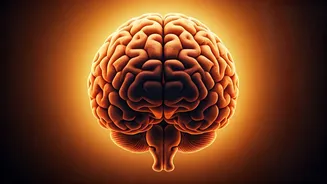
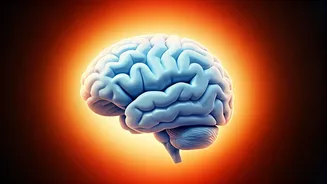
emphasize that prolonged exposure to intense heat can critically impair brain function. This occurs through two primary mechanisms: heatstroke, a condition where the body's temperature regulation fails, potentially causing brain damage, and dehydration. When the body loses excessive fluids, blood volume diminishes, leading to a reduction in the supply of oxygenated blood to the brain. This compromised blood flow can manifest as disorientation, confusion, and in severe instances, lead to a stroke. The brain's sensitivity to fluctuations in temperature and hydration levels makes it particularly vulnerable during these extreme weather conditions, necessitating heightened awareness and proactive measures to safeguard neurological health.
Dehydration: The Silent Culprit
The direct consequence of sweltering heat is often dehydration, a condition that profoundly impacts blood viscosity and circulation. When the body becomes dehydrated, its blood volume decreases, making the blood thicker and more prone to clotting. This heightened viscosity forces the heart to work harder to pump blood, increasing the strain on the cardiovascular system. Such an environment is ripe for the formation of blood clots, which can obstruct the flow of oxygenated blood to the brain, thereby triggering an ischemic stroke, the most common type. Furthermore, rapid fluid loss can cause a sudden drop in blood pressure, further restricting vital blood supply to the brain. This cascade of physiological responses underscores why staying hydrated is paramount, especially for individuals with pre-existing conditions like hypertension, diabetes, and heart disease, who are at a significantly elevated risk.
Recognizing Early Signs
Amidst the discomfort of summer heat, discerning the subtle warning signs of heat-related illnesses and potential strokes is crucial. Many early indicators can be mistaken for mere fatigue or general heat exhaustion, leading to delayed medical intervention. These critical symptoms include sudden weakness or numbness, often affecting one side of the body, and difficulties with speech, such as slurred articulation. Intense headaches, vision disturbances, a feeling of imbalance or loss of coordination, and unexpected dizziness are also red flags. Prompt recognition and immediate medical attention upon noticing any of these symptoms can dramatically improve patient outcomes, potentially averting severe neurological damage and long-term disability. Healthcare professionals stress that early diagnosis and intervention are key to managing these critical health events effectively.
Protective Measures Advocated
To effectively combat the elevated stroke risk during India's intense summers, a multi-faceted approach to prevention is strongly recommended by medical experts. The most accessible and vital measure is maintaining adequate hydration by consistently drinking plenty of fluids, such as water, oral rehydration solutions (ORS), and coconut water, even when not feeling thirsty. It is equally important to avoid excessive consumption of caffeinated, alcoholic, or sugary beverages, as they can exacerbate dehydration. During the peak heat hours, outdoor activities should be significantly limited, and individuals should opt for light-coloured, loose-fitting clothing to facilitate heat dissipation. Seeking cooler environments whenever possible is also a key strategy. For those on medications for conditions like blood pressure or heart issues, continuing their prescriptions while vigilantly monitoring hydration is essential, as certain medications can affect fluid balance. Regular health check-ups are particularly advised for vulnerable groups, including the elderly, children, and those with chronic illnesses.