






A Shadow on the Seas
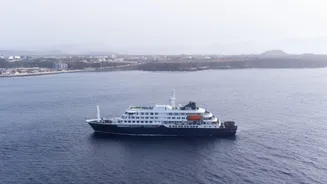
The MV Hondius, a Dutch-flagged vessel on a polar expedition, found itself at the heart of a grim health crisis when a hantavirus outbreak was confirmed
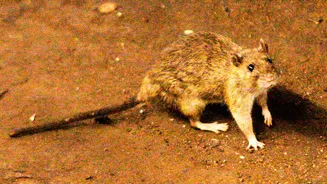
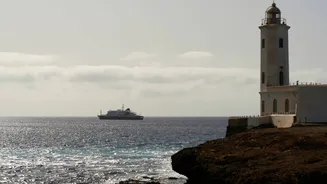
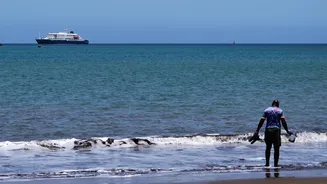
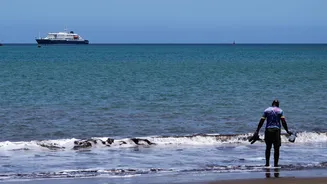
among its passengers and crew. The situation escalated rapidly, with three individuals succumbing to the illness and several others falling seriously ill. Typically spread through the inhalation of dried rodent droppings, hantavirus is an unusual and highly concerning pathogen to emerge in such a close-quarters environment as a cruise ship. Footage from the vessel revealed a stark scene: empty decks, medical personnel in protective gear, and a pervasive sense of waiting off the coast of Cape Verde as authorities grappled with the best course of action for the nearly 150 people onboard. The World Health Organization (WHO) became involved, coordinating efforts and discussing potential disembarkation sites, with the Canary Islands being a primary consideration, although no immediate decisions were finalized by Spanish officials. The ship, which had departed from Argentina on April 1st for Antarctica and remote South Atlantic islands, became a temporary quarantine zone amidst this rare and frightening health emergency unfolding far from land-based medical facilities.
Navigating Uncertain Waters
The immediate aftermath of the hantavirus confirmation saw passengers confined to their cabins while health authorities scrambled to establish a clear path forward. Cape Verdean officials dispatched medical teams, including doctors, surgeons, nurses, and laboratory specialists, to the MV Hondius to assess the situation and provide immediate care. These professionals, clad in full protective gear, were seen disembarking to the ship via smaller vessels, underscoring the stringent precautions required. Meanwhile, precautionary measures were amplified in Cape Verde's port cities, reflecting the seriousness with which the rodent-borne illness was being treated, even though its typical transmission routes are not person-to-person. Passengers aboard the Hondius, like many who experienced the early days of the COVID-19 pandemic, adopted mask-wearing and social distancing. The ship's operator, Oceanwide Expeditions, activated its highest level of emergency response, implementing strict isolation protocols, enhanced hygiene measures, and continuous medical monitoring for everyone on board. Despite initial announcements from the WHO regarding the evacuation of sick passengers to the Netherlands, the timeline for these transfers remained uncertain, adding to the anxiety and prolonged waiting period for those confined to the vessel.
Tracing the Outbreak's Path
The World Health Organization provided updates on the hantavirus cases, tallying seven in total. This included the three individuals who had passed away, one passenger who was critically ill and had been previously removed from the ship for medical care, and three others onboard experiencing milder symptoms. Crucially, laboratory tests confirmed hantavirus in two of these cases: a deceased woman and the evacuated male patient. The first fatality occurred on April 11th, a Dutch national, whose remains were disembarked on St. Helena, a remote British territory. Tragically, his wife later collapsed and died in a Johannesburg airport after traveling from St. Helena, testing positive for the virus according to WHO and South African health authorities. Another sick passenger, a British national, was transferred from the ship to Ascension Island and subsequently evacuated to South Africa, where he was admitted to intensive care. Investigations into potential human-to-human transmission were underway, though officials initially suspected the first infection likely originated before the ship’s departure. Despite a history of hantavirus cases in Argentina, where the ship embarked, officials there confirmed no passengers displayed symptoms at departure, with incubation periods for hantavirus being as long as eight weeks.