






Virtual Talks Commence
The gears of trade negotiations between India and the United States have started turning, with officials from both nations engaging in a series of virtual
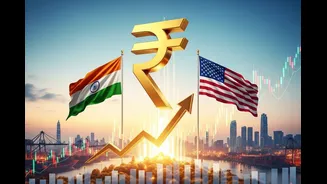
meetings. The focus of these discussions is to advance the ongoing trade talks and address various aspects of the economic relationship between the two countries. These virtual dialogues are essential for maintaining momentum, allowing for efficient exchange of information, and providing a platform to address critical issues. The use of virtual platforms enables negotiators to convene frequently, facilitating detailed conversations and the forging of consensus on complex subjects. These meetings underline the shared commitment of both countries to strengthening their trade ties and opening new avenues for economic collaboration.
Rubio, Jaishankar Call
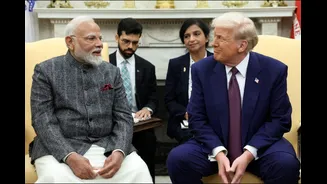
A telephonic conversation between Senator Marco Rubio and India's External Affairs Minister, S. Jaishankar, became a pivotal moment in the ongoing discussions. This interaction injected a notable political element into the trade negotiations, suggesting a higher level of involvement and interest. The nature and scope of their conversation remain undisclosed; however, the fact that such a high-level exchange took place signals the significance attached to the trade talks. This political endorsement acts as a catalyst, emphasizing the importance of a successful outcome and potentially speeding up the negotiation process. Such direct communication between key figures often helps in bridging gaps, clearing the path for progress and ensuring a cohesive approach.
Political Weight Added
The involvement of Senator Rubio and Minister Jaishankar, who represent significant political positions within their respective governments, gave added weight to the negotiations. Their direct communication underscored the importance of achieving progress in trade-related matters. It is a signal of commitment from both countries to improve their economic partnership. The dialogue signifies that the trade talks are not just a matter for trade officials but a significant political priority. This heightened attention indicates the potential for more comprehensive and strategically aligned discussions. The political endorsement likely gives negotiators the authority and support needed to address complex issues and make critical decisions, potentially facilitating a more constructive and effective negotiation process. The involvement also highlights the broader implications of the trade relationship, extending beyond mere economic considerations.
Advancing Trade Goals
The overarching goal of the virtual meetings is to advance the trade talks. These discussions aim to resolve outstanding issues, explore new areas of cooperation, and arrive at beneficial agreements for both nations. The meetings provide a structured environment to delve into various trade-related aspects, allowing for detailed discussions on tariffs, market access, regulatory practices, and intellectual property rights. Successful trade talks are beneficial for both countries, boosting economic growth, fostering job creation, and enhancing overall prosperity. The discussions may include examining specific sectors or products, exploring methods for facilitating trade, and ensuring compliance with international trade norms. The ultimate aim is to create an environment conducive to fair, open, and mutually advantageous trade relations.
Future Implications Unfold
The ongoing virtual meetings and the telephonic conversation between Senator Rubio and Minister Jaishankar possess the potential to shape the future of US-India trade relations. The results of these discussions will influence the level of economic collaboration, the flow of goods and services, and the broader strategic alignment between the two countries. The increased political attention signals a strong desire to strengthen trade ties, suggesting prospects for deeper integration and greater synergy. The outcomes of the negotiations are also likely to affect economic performance, impacting businesses, and shaping the investment landscape. As the discussions progress, it's likely that a clear framework will emerge, outlining the direction of future trade and investment between the United States and India, ensuring a mutually advantageous economic future.