






Metro Route Overview
The Thane Metro network is designed to improve connectivity throughout Thane. While specific route details and the full operational extent might evolve,
it is essential to understand the planned routes. These routes will be critical in linking key areas, facilitating seamless travel for residents, and supporting urban development. The network is crafted to address the city's growing transportation demands, making it easier for people to navigate Thane. Understanding the route map provides valuable insight into where stations are located and how the network connects different parts of the city. As the project matures, it’s imperative to check for any modifications and to stay informed about the network's ongoing development.
Key Station Details
A fundamental element of any metro system is its stations. These hubs are carefully placed to serve major residential, commercial, and transport areas. Knowing the location of each station is vital for planning travel and minimizing transit times. Stations will include amenities such as ticket counters, information kiosks, and, in some cases, retail and commercial outlets. These features enhance the commuter experience, providing convenience and a variety of services at the stations. The accessibility of each station is essential for all commuters, so focus is given to design and facilities that are universally accessible. Station design considers factors like high passenger flow, ease of access, and safety features. Each station is created to ease the traveling experience.
Technical Specifications Unveiled
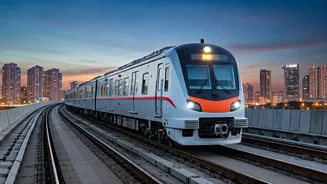
The technical specifications define the structural integrity and operational capabilities of the Thane Metro. The types of trains used, power systems, signalling, and communication technologies will determine efficiency and safety. The specifications cover everything from track gauge to the overall design of the vehicles, allowing for high-capacity and reliable transit. They ensure safety and efficiency, as they are crucial in optimizing operational reliability and passenger safety. These specifications are developed by engineers, architects, and transport experts. Proper adherence to these specifications is crucial for the metro's long-term performance and the integration of advanced technologies. Regular maintenance and updates in technology are also important for the system's longevity.
Impact on Thane
The construction and operation of the Thane Metro are designed to transform the city's transportation landscape. By providing faster and more dependable travel options, the metro system helps to reduce road congestion, improve air quality, and enhance overall public transportation. The metro will promote economic growth by increasing connectivity to commercial centers and residential areas. With easy access to public transport, the overall quality of life for Thane residents will improve. The project promotes a more integrated urban environment. The Thane Metro is part of a larger plan to establish Thane as a smart and sustainable city.
Future Developments
The Thane Metro is envisioned as a long-term project that may be modified to adjust to Thane’s growing needs. Future expansions could include additional lines or extensions to the existing routes. Further development may involve improving station facilities and incorporating additional technologies. As the city evolves, the metro system can adapt to evolving demographics and urban development patterns. The project's success and future development depend on continuous evaluation and input from the community. With proactive planning, the Thane Metro can adapt to the city's changing requirements and ensure that it remains a key component of Thane's infrastructure for years to come.