





Unique Station Identity
The Uttar Pradesh Metro Rail Corporation (UPMRC) is embarking on a distinctive design philosophy for the Lucknow Metro's East-West Corridor, stretching
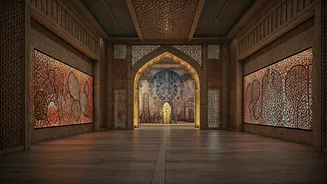
from Charbagh to Vasant Kunj. Instead of opting for a monotonous, replicated station appearance across the entire route, each stop will be imbued with a unique visual identity that resonates with its immediate surroundings. This thoughtful strategy aims to embed the essence of the local context directly within the transit spaces, fostering a deeper connection between commuters and their city. The interior aesthetics, including the choice of color palettes and intricate detailing, will be meticulously tailored to each station, moving away from a one-size-fits-all template. For instance, areas like Aminabad and Chowk, renowned for their historical significance and traditional craftsmanship, will see designs incorporating patterns and structural elements reminiscent of regional crafts and time-honored architectural styles. Furthermore, distinct visual cues such as varied wall panels, unique surface textures, and diverse lighting arrangements will allow passengers to intuitively recognize a station by its appearance, complementing traditional signage and highlighting local design traditions within a vital public utility.
Cultural Integration Points
As passengers move through the East-West Corridor, they will encounter thoughtfully placed, compact information displays at each station. These displays are designed to offer brief, engaging insights into the specific locality served by that station, acting as secondary features that enhance the passenger experience without impeding the primary function of transit. This approach ensures that the metro stations serve not only as conduits for efficient movement but also as educational touchpoints that celebrate and inform about the immediate cultural and historical landscape. The integration of these localized elements aims to enrich the commute, making it more than just a journey from point A to point B, but an immersive experience that connects individuals with the vibrant tapestry of Lucknow's heritage. This deliberate inclusion of local narratives ensures that the metro system becomes an active participant in preserving and promoting the city's rich cultural identity, making each station a unique gateway to its neighborhood.
Engineering and Construction
The Lucknow Metro's East-West Corridor presents a significant engineering undertaking, spanning approximately 11.1 kilometers and comprising both elevated and underground segments. The underground portion, in particular, navigates through densely developed urban areas, introducing considerable complexity to the construction process. To mitigate disruption at ground level, Tunnel Boring Machines (TBMs) are being strategically employed for the excavation work. This advanced technology allows for efficient tunneling while minimizing the impact on the surrounding built environment. The project has successfully secured all necessary approvals, and the detailed design phase is currently in progress. The implementation of station-specific visual elements, which are integral to the unique heritage theme, is slated for a later stage of development, following the completion of the core structural work. This phased approach ensures that the architectural and artistic aspects are seamlessly integrated once the fundamental infrastructure is firmly in place, allowing for a comprehensive and well-executed final product.
Impact on Connectivity
The newly established East-West Metro Corridor is poised to significantly alleviate traffic congestion on existing road networks, particularly in the older, more densely populated sectors of Lucknow. This improved connectivity is expected to enhance accessibility to key commercial hubs like Aminabad, potentially boosting footfall for local businesses and traders by reducing travel times and making visits more convenient. Local merchants anticipate that the ease of access facilitated by the metro will not only increase customer traffic but also contribute to a more pleasant and efficient shopping experience. Beyond the practical benefits of reduced travel pressure, the distinct aesthetic appeal of the locally inspired station designs holds the potential to draw additional interest from tourists and visitors. These visually distinctive stations can serve as attractive entry points to the surrounding cultural precincts and commercial districts, thereby fostering a symbiotic relationship between the transit infrastructure and the city's economic and cultural vibrancy. The metro’s presence, coupled with its unique artistic character, is set to redefine urban mobility and local engagement.