
Silent Pest Controllers
House lizards, often overlooked, are actually beneficial residents. These small reptiles are silent hunters, primarily feeding on insects like mosquitoes,
flies, and other small pests. Their presence can contribute to a more balanced ecosystem within the home, naturally controlling the populations of unwanted insects. They are generally harmless to humans, and their presence may even indicate a healthy environment with a good supply of food, though some people find them unsettling. Lizards are a natural form of pest control that often go unnoticed but do provide a service.
Web Architects' Corners
Spiders, the architects of webs, often occupy corners and other undisturbed areas within a home. They construct webs to trap insects, serving as natural pest controllers, catching flies, moths, and other small creatures. While some people may be uneasy with spiders, their presence helps in managing insect populations. Most house spiders are not dangerous to humans. Spiders do require some level of maintenance to get rid of their webs. They have a role in the household's delicate ecosystem, and they contribute to keeping other pest populations under control.
Unofficial Food Inspectors
Ants, often seen marching in lines, are diligent food inspectors. They are constantly searching for food sources, which they then carry back to their colonies. While they might be perceived as a nuisance, their activities often reveal food crumbs or spills that might otherwise go unnoticed. They also help in cleaning up organic debris. However, large ant infestations can sometimes be a problem, leading to the need for pest control. Ants can be helpful indicators of a household's cleanliness, or they may become unwanted guests.
Lightning-Fast Hunters
House centipedes, known for their lightning-fast speed, are effective hunters of other insects. They feed on various household pests, including roaches, silverfish, and spiders. Despite their appearance, which can be unsettling to some, they are beneficial in controlling other populations of insects. Centipedes can be quite aggressive hunters. Their presence is a sign that there are other bugs available to be consumed. They are not known to be particularly dangerous to humans but can bite if handled roughly. They're often found in damp areas like bathrooms and basements, which create ideal habitats for their prey.
Ancient Paper Lovers
Silverfish, the ancient paper lovers, are drawn to starchy substances like paper, glue, and fabrics. They feed on books, wallpaper, and stored items. They can cause damage over time, particularly in older homes where materials may be more susceptible to their feeding habits. Silverfish thrive in dark, humid environments, and their presence can be a signal of moisture-related issues. Proper storage of important items, and maintaining a dry environment is the key to minimizing their activity. Proper storage is often the key to minimizing the presence of these pests.
Nighttime Explorers
Cockroaches, the nighttime explorers, are resilient pests often found in kitchens, bathrooms, and other areas where food and moisture are available. They eat almost anything, including food scraps, cardboard, and other organic matter. Cockroaches are known to carry bacteria, and they can contaminate food and surfaces, posing health risks. Control measures often involve keeping food stored properly. Additionally, you should remove any standing water and maintaining general cleanliness to reduce their presence. Roaches are one of the most common and difficult pests to deal with in many households.
Tiny Freeloaders, Big
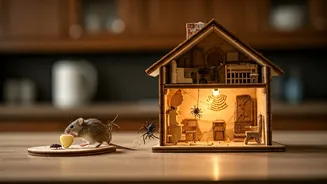
Mice, the tiny freeloaders, often enter homes in search of food and shelter. They can cause damage by gnawing on wires, furniture, and food containers. Mice reproduce quickly, leading to infestations if not addressed promptly. They can also carry diseases and contaminate food sources. Effective pest control often involves sealing entry points, storing food securely, and setting traps. Prevention is the key to preventing them from becoming a serious problem. Mice can be challenging to eradicate, requiring consistent efforts.