





Fueling Uncertainty
A significant scarcity of Liquefied Petroleum Gas (LPG) is currently impacting the vibrant food and hospitality sector across Bhubaneswar. This issue,
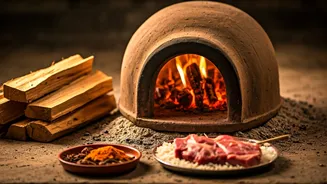
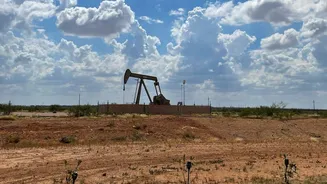
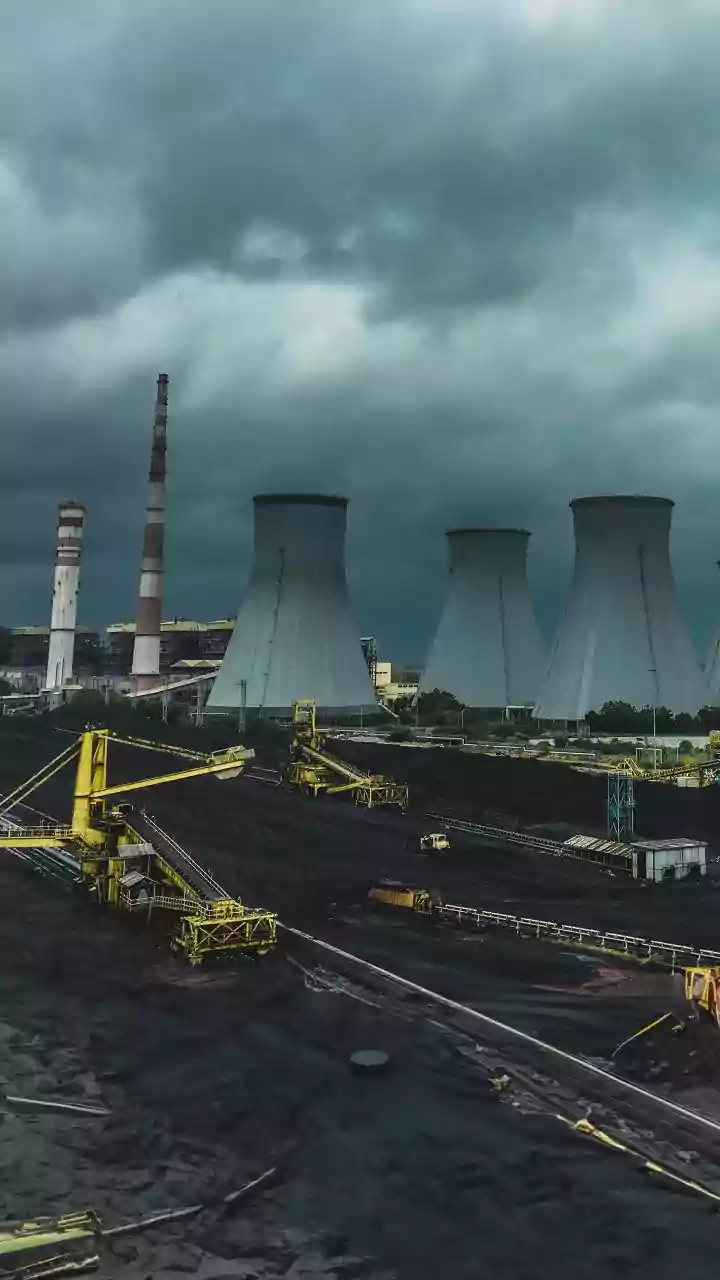
exacerbated by ongoing international conflicts in West Asia, has moved beyond just street vendors and small food stalls to affect popular restaurants, cafés, and mid-range hotels. These establishments are now introducing 'temporary menus' to manage their operations, a clear indication of the severity of the situation. The owners have explicitly communicated this change to their customers by displaying notices stating, "Temporary menu for LPG outage." This move signifies a challenging period for the industry, requiring innovative solutions to maintain service delivery.
Menu & Price Adjustments
In response to the dwindling LPG supply, restaurants are undertaking strategic changes to their offerings and pricing. Many outlets have seen prices for various dishes escalate by a substantial 30% to 40%. To further conserve their limited LPG resources, less popular or non-essential menu items have been removed altogether. The focus is now on retaining high-demand signature dishes, ensuring that kitchens can remain operational despite the constraints. This difficult decision was echoed by Md Alam Ali, a manager at a well-known restaurant, who described the current scenario as one of the most challenging faced in decades. These adjustments are a direct consequence of the fuel crisis, forcing businesses to adapt quickly to survive.
Delivery Disruptions
The LPG shortage has also led to a significant disruption in online food delivery services, a popular convenience for many city dwellers. Several prominent restaurants have been compelled to suspend these services, much to the disappointment of both food enthusiasts and the gig economy workers who rely on them. Food delivery executives have reported a noticeable decline in their earnings over the past week, as partner restaurants are accepting fewer orders. This suspension of delivery operations is a direct result of unpredictable cooking timelines and the inability to maintain consistent service due to limited fuel. The situation leaves customers frustrated and delivery personnel facing reduced income, highlighting the widespread impact of the LPG crisis.
Makeshift Solutions
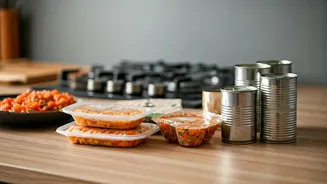
To navigate these turbulent times, some eateries are resorting to innovative, albeit unconventional, strategies. A common workaround involves precooking certain food items and then using electric ovens for reheating them at the point of delivery or for dine-in customers. While acknowledging that this method isn't ideal, restaurant owners feel they have little alternative given the circumstances. Partha Mohapatra, manager of a popular chain restaurant, explained that receiving only a fraction of their usual LPG supply necessitated revising prices and paring down the menu. Similarly, Biswas Jena, a café owner, highlighted the necessity of halting online deliveries due to the inability to manage uncertain cooking durations, expressing helplessness over the customer frustration this causes.
Customer & Worker Impact
The ripple effects of the LPG shortage are keenly felt by consumers and frontline workers alike. Customers are encountering fewer choices and higher prices as their favorite meals become unavailable or more expensive. Ananya Pasayat, a college student, observed this change, noting that nearly every establishment they visited had updated menus with reduced options and increased costs. The impact is particularly severe for food delivery executives; Rakesh, a delivery agent, reported a drop in his daily income by at least 40%, attributing this to the numerous restaurants no longer accepting online orders. As the geopolitical situation in West Asia shows no signs of immediate resolution, the uncertainty surrounding LPG supply persists, raising concerns about further operational restrictions for the city's food businesses.