
Initial Metabolic Shift
When you decide to stop consuming ghee and oil, your body initiates a series of metabolic adjustments. Primarily, there's a reduction in the intake of saturated
and unsaturated fats. The body begins to utilize stored fat reserves for energy, which might contribute to weight loss if caloric intake remains constant or decreases. However, it's crucial to acknowledge that the absence of these fats can also lead to decreased absorption of fat-soluble vitamins (A, D, E, and K), affecting various bodily functions. The speed and extent of these initial changes vary depending on the individual’s metabolism, existing dietary habits, and overall health condition. It is important to monitor the body's response, especially in the initial phase, to make sure the transition is as smooth as possible.
Digestive System Reactions
The digestive system is significantly affected by the cessation of ghee and oil consumption. Bile production, which aids in fat digestion, can become less active. This may result in altered bowel movements, potentially leading to constipation if the diet doesn't include sufficient fiber or other fats. Furthermore, the lack of fat can lead to reduced absorption of essential fatty acids, impacting the integrity of cell membranes and the body's ability to create hormones. These digestive changes can be more pronounced in the short term, and the body may take a bit of time to adjust. It's important to keep yourself hydrated and maintain a balanced intake of nutrients. The body’s response underlines the significance of making gradual modifications rather than abrupt, drastic changes to your diet.
Impact on Cardiovascular Health
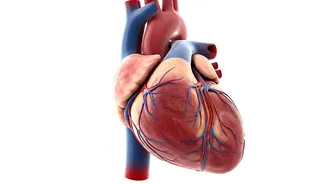
Reducing or eliminating ghee and oil from your diet can affect cardiovascular health positively. It can lead to lower levels of LDL (bad) cholesterol, particularly if the individual replaces saturated fats (often found in ghee) with healthier fats and the overall dietary balance improves. This decrease can lead to a reduced risk of heart disease. On the other hand, the absence of essential fats can impact the function of cell membranes, including those within the cardiovascular system. It is important to emphasize that while cutting out these fats might appear advantageous, the overall dietary pattern—including the presence of fruits, vegetables, and lean proteins—ultimately determines the extent of cardiovascular benefits. For individuals with existing cardiovascular problems, it's particularly important to consult a healthcare professional before making major dietary adjustments.
Skin and Hair Changes
Skin and hair health can be significantly affected by dietary shifts that remove ghee and oil. Fats, particularly those rich in essential fatty acids, are fundamental for keeping skin moisturized and maintaining hair's shine and strength. Upon the removal of these fats, it's common to observe drier skin, potentially accompanied by flakiness or increased sensitivity. Similarly, hair may lose its natural luster, appearing more brittle or prone to breakage. This is because fats help to build and maintain the lipid barrier of the skin, preventing moisture loss and protecting against environmental damage. Supplementing the diet with healthy fats and other vitamins can help mitigate these effects. It's important to monitor these effects and consider adjustments to maintain healthy skin and hair.
Energy Levels and Endurance
The body's primary energy sources undergo a shift when ghee and oil are removed from the diet. Fats serve as a concentrated source of energy, and their absence can cause a drop in overall energy levels, particularly in the initial weeks. This can affect endurance, reducing physical performance during exercise. However, the body is adaptable. It starts to rely on alternative energy pathways, like utilizing carbohydrates and stored glycogen more efficiently. The individual's dietary composition, in combination with exercise, significantly impacts how rapidly and successfully the body adapts. Those incorporating healthy fats from other sources in moderation may experience fewer fluctuations in energy levels. Maintaining a well-balanced diet and drinking plenty of water become essential, particularly during the transition phase.
Long-Term Considerations
Long-term health is determined by dietary changes, so it is necessary to consider the long-term impacts of removing ghee and oil. Over an extended period, the sustained elimination of these fats can lead to deficiencies in fat-soluble vitamins. It is important to note that the long-term impact on your health will also depend on the foods you're eating in place of the ghee and oil. Furthermore, long-term health is determined by multiple factors, and diet is only one of them. Regular monitoring of overall health markers like cholesterol levels, vitamin deficiencies, and skin health can provide valuable insights into how your body is adapting. It is essential to consult with a healthcare professional to identify whether dietary modifications might lead to possible health risks. The long-term effects highlight the need for a comprehensive and personalized approach to nutritional well-being.