



Fashion as Defiance
During periods of significant global upheaval, such as the 1930s marked by economic depression and the looming threat of war, fashion often takes a dramatic
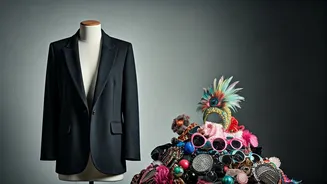
turn. While some designers advocated for understated simplicity and a desire to blend in, Elsa Schiaparelli embraced the opposite. She recognized that when external circumstances feel overwhelmingly out of our control, our clothing choices become a potent arena for self-expression and assertion. Schiaparelli's philosophy, famously articulated as 'In difficult times, fashion is always outrageous,' was not merely a catchy phrase but a profound observation of human psychology. It suggested that eccentric, vibrant, and even shocking styles serve as a deliberate act of resistance against despair, a way to reclaim agency and project an image of enduring vitality even when faced with immense societal pressures. This approach allowed individuals to exert control over their visual presentation, a stark contrast to the helplessness often felt in the face of large-scale crises.
The Psychology of Color
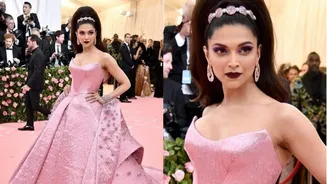
Elsa Schiaparelli masterfully leveraged color as a psychological weapon against bleakness. Her introduction of 'Shocking Pink' was far more than a fashionable hue; it represented a deliberate injection of vibrant energy into a world grappling with economic hardship and pervasive gloom. This hyper-saturated shade acted as a form of aggressive escapism, a visual jolt designed to counteract the depressive atmosphere. When facing widespread economic instability, opting for intensely colored or strikingly structured garments became a powerful method of loudly proclaiming human life force and resilience, especially when that vitality felt endangered. It’s a form of personal empowerment on a micro-level. While one might not be able to mend a failing economy, they can exert complete dominion over their personal aesthetic narrative. This psychological mechanism highlights fashion’s role in reinforcing a sense of self and capability when external factors are beyond one's influence, turning personal style into a bold declaration of existence.
Surrealism and Structure
Schiaparelli's genius extended beyond mere shock value; she artfully integrated avant-garde artistic movements, particularly Surrealism, with impeccable garment construction to explore deeper psychological themes. Her 1927 Trompe-l'oeil knitwear is a prime example, where illusions of detail, like a knitted bow, were seamlessly integrated into the fabric itself, challenging traditional perceptions of tailoring. This was followed by even more daring collaborations, most notably with Salvador Dalí. The iconic 1938 Skeleton Dress, a matte black crepe gown adorned with intricate trapunto quilting, mimicked the human skeletal structure, presenting an inside-out anatomy. This technically demanding piece forced a confrontation with mortality just as war loomed. The same year, the Tears Dress, featuring a trompe-l'oeil print of torn flesh with fabric appliqués representing tears, served as a haunting visual metaphor for a world on the brink of disintegration. These designs were not just garments but profound artistic statements reflecting the anxieties and surreal realities of their time, executed with exceptional craftsmanship.
Modern Resonance
The pattern observed in Schiaparelli's era continues to manifest in contemporary society. In the wake of global health crises or sudden economic downturns, there's an almost immediate surge in maximalist and highly experimental fashion trends. This resurgence of the 'weird,' the bold, and the structurally unconventional reflects a deep-seated human need to feel alive and vibrant when confronted with adversity. The next time you encounter something spectacularly outrageous trending online during a period of crisis, consider it not as mere internet frivolity, but as a sophisticated historical indicator of our collective psychological resilience. It’s humanity’s enduring way of dressing up and asserting its presence, refusing to be diminished or overlooked in the face of challenging circumstances, a testament to fashion's enduring power as a coping mechanism and a statement of life.