





Mission's Core Goal
Artemis II is designed to carry astronauts on a lunar flyby, representing a crucial phase in NASA's broader Artemis program. The mission isn't intended
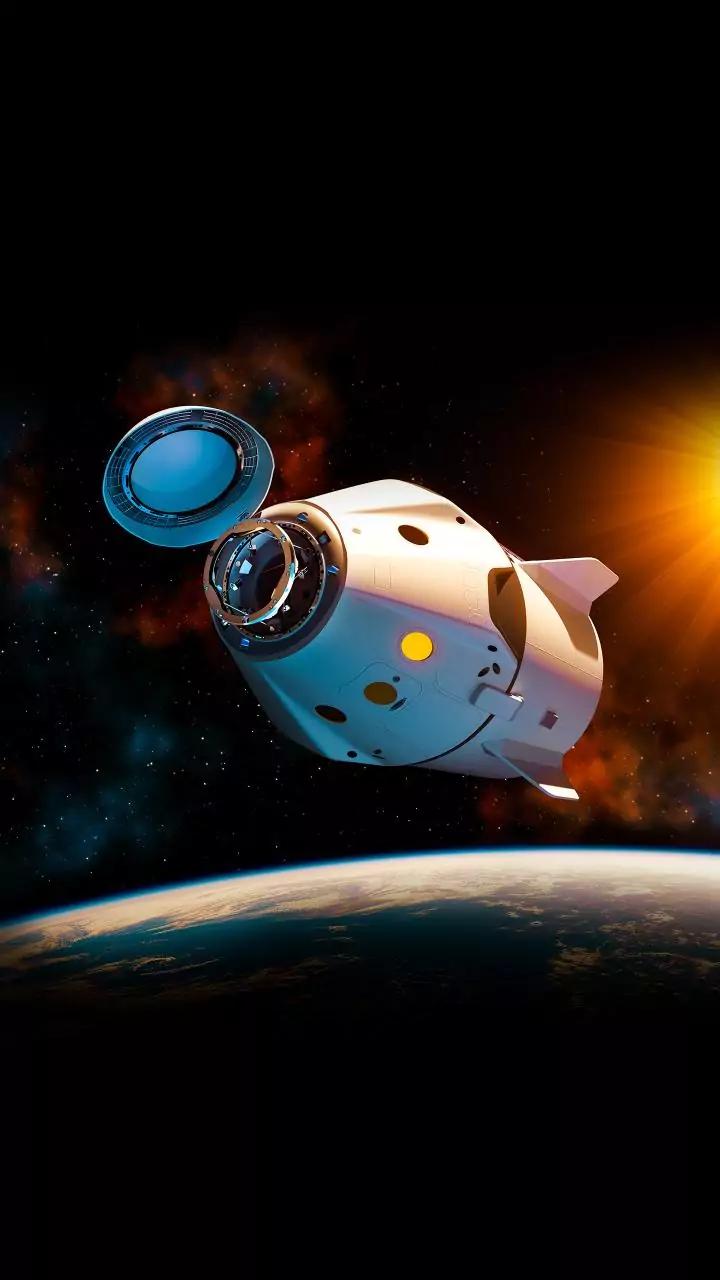
for a landing, but it plays a critical role in evaluating the performance of the Orion spacecraft and the Space Launch System (SLS) rocket in a realistic space environment. It's essentially a thorough check-up of the systems that will ultimately support crewed missions to the lunar surface. The successful completion of this mission will confirm the readiness of the spacecraft and rocket for future, more ambitious lunar explorations. This flight is a stepping stone, providing essential data for future deep-space voyages, including journeys to Mars.
Wet Dress Rehearsal
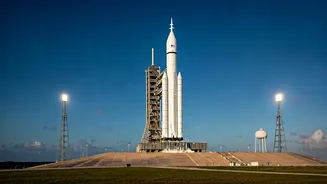
The wet dress rehearsal is an extremely important step that is taking place this month, before the launch of the Artemis II mission. This simulated launch involves loading the SLS rocket with liquid propellant and proceeding through the full countdown sequence, ending just before engine ignition. The main purpose is to evaluate all the ground operations, the performance of the rocket, and the coordination between the launch team and the various systems. In essence, it's a comprehensive test of all the procedures and protocols that will be used on launch day. Any issues found during the rehearsal can be addressed, ensuring a higher degree of readiness and minimizing potential risks during the actual launch. This kind of extensive preparation is essential for a mission as complex and ambitious as Artemis II.
Countdown Preparations
Preparations leading up to the Artemis II launch include a lot of work. Engineers and technicians have been carefully examining the Orion spacecraft and the SLS rocket, ensuring that all components are in optimal condition. This includes rigorous testing of the life support systems, communications equipment, and propulsion systems, as well as checking the various scientific instruments that will be carried on the mission. The launch team also meticulously reviews all mission parameters, making sure that everything is in sync for a successful launch. The wet dress rehearsal is an essential component, offering a full-scale opportunity to validate all procedures and make any necessary adjustments before the actual launch day. Every element is vital for the safety of the crew and the mission's ultimate goals.
Crewed Lunar Flyby
The Artemis II mission will see a crew of astronauts fly around the Moon and then return to Earth. While not landing on the lunar surface, this mission gives astronauts real experience operating the spacecraft in deep space. During the lunar flyby, the crew will collect invaluable data about the environment around the Moon, monitoring radiation levels and assessing the behavior of the spacecraft systems in this setting. This information is crucial for planning future missions that will involve human landings on the Moon. This also helps to evaluate the effectiveness of the spacecraft's life support systems and other important equipment. The whole mission is designed to push forward human space exploration.
Future Lunar Goals
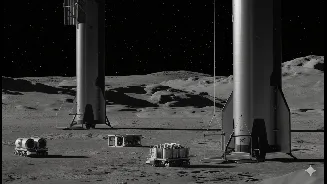
Artemis II is one step toward the greater goals of the Artemis program. The ultimate goal is to establish a sustained human presence on the Moon and utilize the lunar surface as a stepping-off point for missions to Mars and other deep-space destinations. This program intends to send the first woman and first person of color to the Moon. Future missions will include lunar surface exploration, construction of a lunar base, and exploration of lunar resources. This comprehensive program is anticipated to drive advancements in space technologies, scientific understanding, and international collaboration in space exploration. The whole undertaking is set to inspire and prepare the next generation of space explorers and scientists.