




Vertical Stripes Elevate
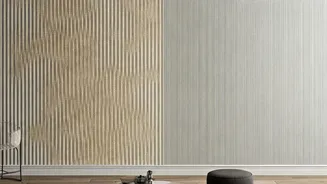
Employing vertical stripes is a time-tested technique to create the sensation of increased ceiling height. This can be achieved through variations in color,
using tones that are close to each other for a subtle effect, or employing bold, contrasting hues for a more striking visual impact. Materials like textured paints, wallpapers featuring vertical patterns, or even vertically oriented wood paneling can all contribute to this upward visual pull. The inherent linearity guides the eye skyward, making ceilings appear higher and the room feel more expansive. This classic approach offers a sophisticated yet impactful way to redefine spatial dimensions without altering the physical structure of your home.
Modern Wainscoting Magic
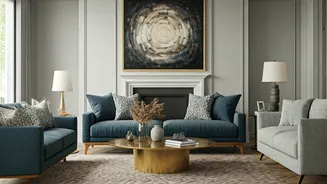
Wainscoting, traditionally a decorative dado rail, can be reimagined with textural elements to bring contemporary charm and depth. Moving beyond flat panels, consider options with raised patterns, geometric designs, or subtle fabric-like textures such as linen. These embossed elements introduce a tactile quality and visual interest that flat surfaces lack. For an enhanced spatial illusion, painting the wainscoting a shade darker than the upper walls can ground the space while simultaneously making the upper portion appear more open and airy. This approach blends classic architectural detailing with modern textural innovation to enhance both aesthetics and the perception of room size.
Statement Accent Walls
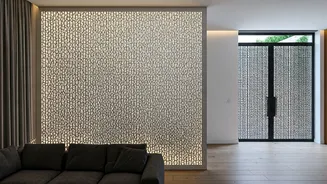
Designate a single wall as a captivating focal point using a variety of textured materials. Options abound, including 3D wall panels crafted from MDF, gypsum, or eco-friendly plant-based fibers, which create dramatic shadow play and substantial depth with their intricate patterns. Alternatively, opt for textured wallpapers that mimic natural elements like grasscloth or silk, or feature embossed vinyl for a tactile experience. For an artisanal, handcrafted feel, consider finishes like Venetian plaster, microcement, or a rustic stucco application, each offering unique organic textures and a rich visual narrative. Selecting the right accent texture depends on your home's overall style and the room's natural light, with lighter finishes generally expanding space and darker, intricate ones adding drama.
Sculpted Stone Surfaces
Embrace the raw, tactile appeal of chisel-surfaced walls, inspired by hand-tooled stone. This design moves beyond flat, painted finishes to create a rugged, sculptural dimension that adds character and depth. The uneven textures engage with light, producing dynamic shadows that shift throughout the day, giving the wall a living, architectural quality. This trend aligns with minimalist design principles, allowing the wall's texture itself to be the primary decorative element. These rugged surfaces are particularly effective in living areas, statement hallways, and hospitality settings where a strong visual and tactile statement is desired without overwhelming the space with extraneous decor.
Soft Linear Sophistication
Linear textures offer a refined approach to wall design, combining clean structural elements with a sense of visual softness. These patterns introduce a rhythmic flow and continuity across larger wall surfaces, which can make spaces feel more cohesive and visually elongating. The gentle geometry and controlled linearity serve to draw the eye, creating the illusion of greater height and breadth. This sophisticated style is well-suited for bedrooms, lounges, and corporate environments, where a calming yet engaging atmosphere is desired. The strategic placement of linear textures can significantly enhance the perception of space, making rooms feel taller and more expansive.
Fluted and Slatted Panels
For a touch of luxury and dynamic visual interest, fluted and slatted wall panels are an excellent choice. These designs incorporate vertical grooves that create a sense of movement and rhythm, effectively adding perceived height to a room. Beyond their aesthetic appeal, these textured panels can also contribute to improved acoustics by softening sound. Their elegant lines make them ideal for entrance foyers, corporate boardrooms, and reception areas, where they can establish a sophisticated and welcoming ambiance. The vertical emphasis of fluted and slatted designs is particularly effective in making spaces feel grander and more spacious.