







Visceral Fat's Silent Assault
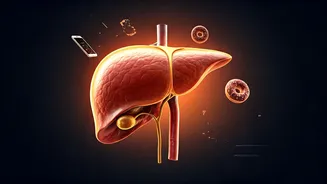
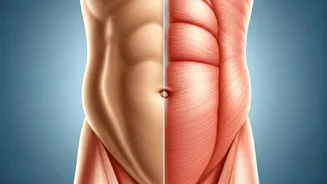
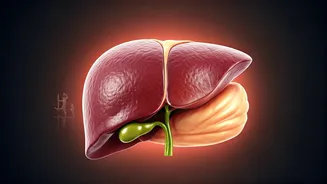
Beyond just aesthetics, stubborn belly fat, scientifically known as visceral fat, poses a significant threat to your liver's well-being. Unlike the fat just beneath
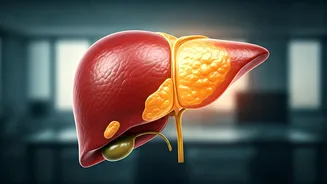
your skin, visceral fat resides deep within your abdominal cavity, encircling your internal organs. This metabolically active fat releases inflammatory compounds and fatty acids directly into your bloodstream. Over time, this constant onslaught can lead to a buildup of fat within the liver, a condition that silently progresses and can eventually result in long-term damage. This accumulation is often exacerbated by routine lifestyle practices that might seem innocuous at first glance, creating a complex interplay between our habits and the health of our liver.
Weekend Alcohol's Toll
The perception that occasional alcohol consumption is harmless can be misleading when it comes to liver health. Experts emphasize that the overall cumulative exposure to alcohol, rather than just daily intake, is what truly dictates liver risk. Indulging in binge drinking or heavy weekend consumption can still contribute to the gradual accumulation of fat within liver cells. This pattern of drinking can disrupt the liver's metabolic processes, increasing a compound called NADH, which in turn hinders fat breakdown and promotes triglyceride storage. Furthermore, alcohol metabolism can elevate oxidative stress and trigger inflammatory signaling pathways, collectively placing a significant burden on the liver over time.
Sugary Drinks' Liver Fat
Consuming beverages high in fructose can place a considerable strain on your liver, as this sugar is primarily metabolized in this organ. This metabolic process can lead to increased triglyceride production and accelerate fat accumulation within liver cells, especially when the fructose originates from liquid sources devoid of fiber. Unlike whole fruits that contain fiber, which slows down sugar absorption, sugary drinks are consumed rapidly. This allows a large amount of fructose to reach the liver quickly, bypassing crucial regulatory steps in metabolism. This direct pathway promotes a process known as de novo lipogenesis, essentially encouraging the liver to create and store excess fat.
Paracetamol's Hidden Stress
While paracetamol (acetaminophen) is generally considered safe when taken in recommended doses, frequent or excessive intake, particularly when combined with alcohol, can significantly stress the liver. During its metabolic breakdown, paracetamol can generate toxic by-products. In normal circumstances, the body's natural antioxidant, glutathione, neutralizes these harmful substances. However, when paracetamol intake is high or prolonged, or when alcohol depletes glutathione levels, the liver's detoxification capacity can be overwhelmed. This can lead to liver cell injury, underscoring the importance of mindful usage and avoiding concurrent consumption with alcohol.
Processed Foods Inflammation
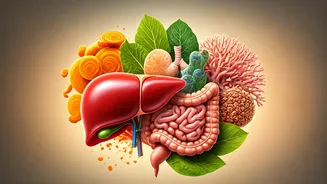
A diet rich in ultra-processed foods is strongly correlated with an increased risk of developing fatty liver disease, insulin resistance, and metabolic syndrome. These foods are typically calorie-dense but offer minimal nutritional value, often leading to increased cravings and overconsumption. Their composition can also promote chronic low-grade inflammation throughout the body, including within the liver. This persistent inflammation, coupled with an imbalanced nutrient intake and disruption of the gut-liver axis, creates an environment conducive to fat deposition and the progression of liver-related issues over the long term.