




Strength's Shifting Meaning
The notion of a 'strong woman' has evolved significantly. Initially, it signified a woman who fought valiantly for her place in a male-dominated world,
achieving milestones like education, careers, and financial autonomy through sheer perseverance. These were hard-won battles, celebrated as triumphs. However, the compliment has subtly transformed. Today, describing a woman as strong and independent often implies an expectation: that she will manage any challenge without complaint or assistance. These once admirable qualities have become unintentional disclaimers, suggesting an almost superhuman capacity to cope. Conversations reveal that while women deeply value these attributes, they are frustrated by how easily their perceived strength leads others to withdraw support, creating a sense of being perpetually on their own.
Vulnerability's Place
A significant consequence of the 'strong, independent' label is the perceived lack of space for vulnerability. When women, like doctors or career-driven professionals, are deeply committed to demanding fields, their choices are sometimes viewed critically. Society can interpret ambition as a sole driver, implying that any ensuing hardship should be borne without expression of difficulty. This creates an unspoken rule: women are not permitted to show weakness or admit when the workload is overwhelming. However, resilience isn't the absence of struggle but the capacity to persevere through it. Just as anyone else, women value being understood and cared for, especially during challenging times. True strength and vulnerability are not mutually exclusive; acknowledging difficulty is a fundamental human need, not a sign of diminished capability.
Independence's Double Edge
Within households, the expectation of female independence often creates an imbalanced dynamic, particularly concerning domestic and emotional labor. While women are rightly encouraged to build careers and achieve financial autonomy, the allocation of household responsibilities has not kept pace. This disparity means women often shoulder a disproportionately larger share of domestic duties and the invisible work of managing family life, from remembering obligations to organizing daily routines. The expectation becomes a dual burden: 'be strong and independent, and handle all the chores too.' When women voice concerns about this strain, the suggested solution is frequently not a more equitable division of labor but rather a questioning of their need to work, implicitly suggesting they should revert to a less independent role. This overlooks how financial independence shapes one's autonomy and freedom to navigate the world.
The Empowerment Paradox
The modern empowerment of women, while celebrated, has paradoxically contributed to exhaustion because internal household expectations remain unchanged. Even in households that consider themselves progressive, women often find themselves the default managers of hosting guests, meal planning, and general household upkeep. This means that the very empowerment allowing them to make their own decisions and earn their own money comes with an added layer of exhaustion. Furthermore, the notion that careers are optional for women overlooks the profound personal fulfillment they derive from their professional lives. Beyond financial security, careers offer spaces for creativity, intellectual engagement, and a sense of accomplishment, providing meaningful opportunities for self-expression and contribution, rather than merely a means to an end.
The Mental Load Strain
The emotional exhaustion often stems not just from the demands of work but from the persistent expectation of unwavering composure. For women in demanding professions, juggling long workdays with active family lives creates a significant strain. The label 'strong, independent woman' can begin to sound less like admiration and more like an obligation to manage everything flawlessly. While modern conveniences have eased some physical burdens of household management, the 'mental load'—the constant remembering, planning, and organizing required to run a household—remains a significant, often unseen, effort. This mental checklist continues long after professional duties conclude, leading to days where maintaining a composed facade itself is an exhausting task.
Strength Needs Support
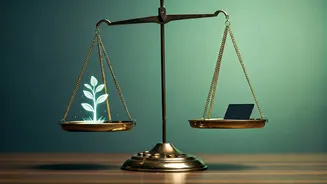
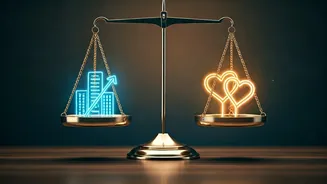
The core takeaway from these discussions is that women do not wish to abandon their independence; this progress is non-negotiable. The critical issue lies in the slow evolution of surrounding structures—families, workplaces, and societal norms—which have not fully adapted to women's changing roles. While women have been encouraged to work, lead, and succeed, the systems around them lag behind. True equality requires a re-evaluation of how responsibilities are shared, extending beyond the workplace into the everyday mechanics of home life. Men must be raised with an equal expectation of balanced contribution, and workplaces that champion ambitious women must provide robust support systems to prevent burnout. Women fought for independence not to be absolved of needing care, but so that care, responsibility, and respect could finally be equitably shared. Strength was never intended to mean standing alone.