




Modi's Lunar Vision
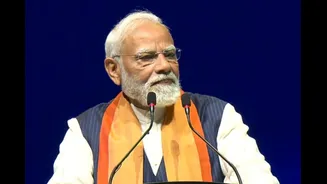
Prime Minister Narendra Modi has set an ambitious target for India's space program: an Indian astronaut stepping onto the Moon by the year 2040. This announcement
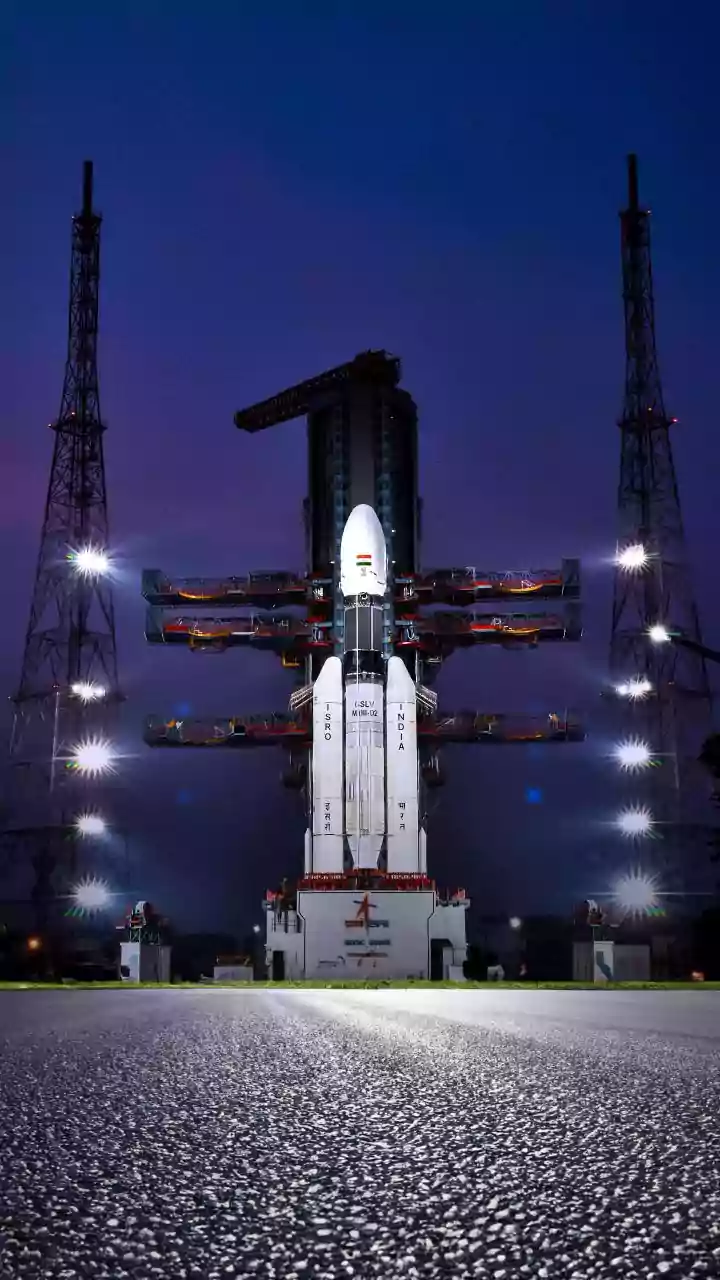
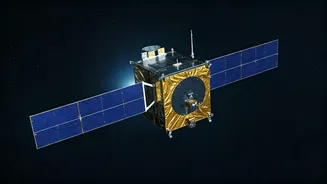
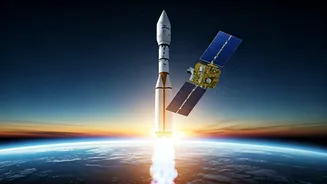
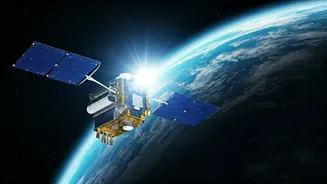
reflects India's growing capabilities in space technology and its commitment to becoming a major player in space exploration. The goal is part of a broader vision that includes various advancements in space missions, such as the Gaganyaan project, aimed at sending Indian astronauts into space, and the establishment of the Bharatiya Antariksh Station (Indian Space Station). This vision is supported by the successful docking of the SpaDeX satellites and the launch of the LVM3-M5 rocket, showcasing ISRO's expertise. Moreover, the project is indicative of India's collaboration with international space agencies, enhancing its global standing in space research.
ISRO's Pioneering Role
The Indian Space Research Organisation (ISRO) is at the forefront of this ambitious lunar mission, leading the way in various space endeavors. ISRO's expertise is evident through successful launches like the SpaDeX mission, which demonstrated the capability of space docking. In addition, the successful launches of earth observation satellites underscore ISRO's ability to enter the global small satellite market. ISRO's advancements, from Chandrayaan to Mangalyaan, and initiatives such as the development of the AI-powered Vyommitra for the Gaganyaan mission, highlight its critical role in realizing India's space ambitions. These endeavors showcase India's dedication to innovation and its steady progress toward becoming a leader in space technology and exploration, further solidifying its presence on the global stage.
Global Collaboration Strategy
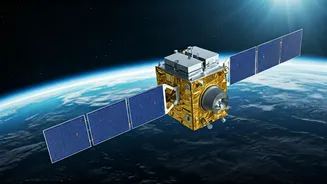
India's lunar aspirations are boosted by partnerships with international space agencies. Collaboration enhances India's capabilities through knowledge-sharing and mutual support. This strategy involves working with agencies like the European Space Agency (ESA) for projects like the Proba-3 mission, and also gaining from NASA's expertise. These alliances not only accelerate India's space missions but also foster global cooperation in space exploration. This teamwork strengthens India's global presence and creates opportunities for joint projects, benefiting the progress of space research worldwide. India's strategy signifies its commitment to play a vital part in the international community, driving innovation and sharing space exploration results.
Future Mission Details
ISRO has laid down the blueprints for upcoming missions, including Chandrayaan-4, the Venus Orbiter mission, and the Bharatiya Antariksh Station, as per recent governmental approvals. The ongoing efforts of Chandrayaan and the planned Gaganyaan mission are essential steps towards achieving the goal of landing an Indian astronaut on the Moon by 2040. The development of advanced technologies, like the hypersonic glide missile by DRDO showcased during the Republic Day parade, also supports the space program's broader aims. ISRO's forward-thinking approach, focusing on innovation and strategic alliances, is key to the success of its upcoming space missions. These missions are set to further India's capabilities in space research and exploration.