


Artistry's Sacred Roots
Pichwai art, originating from the sacred town of Nathdwara, is far more than just a painting technique; it's a living legacy. Traditionally crafted as
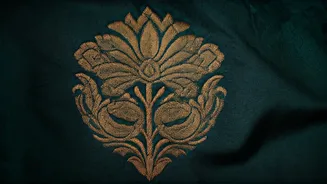
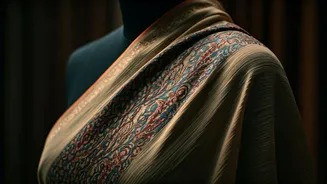
devotional backdrops for temples dedicated to Shrinathji, these artworks are renowned for their breathtaking complexity. Each piece unfolds a narrative, rich with symbolic motifs like the serene lotus flower, the revered cow, and vivid mythological tales, all imbued with profound spiritual and cultural weight. The creation process itself is a testament to dedication, with each intricate detail meticulously hand-painted over weeks or even months. Transforming this delicate artistry onto the fabric of couture requires not only immense technical skill but also a deep artistic sensibility. This fusion celebrates the preservation of an age-old tradition while embracing the dynamism of modern design, making Pichwai couture a powerful bridge between the past and the present.
A Fashion Phenomenon
The current surge of Pichwai art in ethnic fashion reflects a significant cultural shift towards appreciating luxury with depth and meaning. Today's discerning consumer increasingly seeks out products that tell a story, showcase exceptional craftsmanship, and are rooted in heritage – qualities that mass-produced fast fashion simply cannot replicate. Fashion visionaries are ingeniously reimagining Pichwai, not by simply copying it, but by translating its essence into contemporary silhouettes, utilizing lighter, more wearable fabrics, and adapting it for both everyday elegance and grand occasion wear. The outcome is a captivating blend of cultural identity and modern style, where tradition feels vibrantly relevant rather than a relic of the past. This movement allows the art form to move gracefully from the hallowed halls of temples and galleries into the wardrobes of those who appreciate its enduring beauty and narrative power.
Designers Championing Tradition
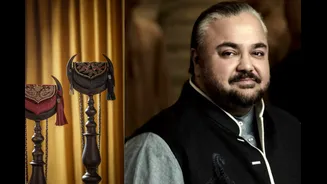
Pioneering designers are instrumental in leading the charge to bring Pichwai art back into the fashion spotlight with fresh perspectives. Visionaries like Anita Dongre have consistently championed Indian handicrafts, seamlessly integrating Pichwai-inspired motifs into her collections with a sophisticated, contemporary flair that appeals to modern sensibilities. Vineet Rahul approaches the art form with a more experimental spirit, masterfully blending diverse prints and textiles to offer innovative reinterpretaions of traditional narratives. Meanwhile, Rajdeep Ranawat, celebrated for his bold and vibrant print work, translates Pichwai's iconic elements into striking, wearable designs that resonate with a younger demographic. These designers are not merely borrowing from antiquity; they are actively engaged in preserving its essence while simultaneously evolving it, ensuring its continued relevance in the ever-changing landscape of global fashion.
Celebrities Embrace Heritage
The growing presence of Pichwai art in celebrity fashion has undeniably amplified its visibility and mainstream appeal. From emerging stars like Shanaya Kapoor elegantly donning modern ethnic wear adorned with these traditional motifs, to prominent figures like Anant Ambani incorporating exquisite heritage textiles into their formal attire, celebrities are transforming Pichwai into a powerful statement of personal style. This trend signifies a burgeoning pride in India's rich artistic heritage. Instead of solely following global fashion trends, celebrity wardrobes are increasingly becoming canvases for cultural storytelling, where each garment carries a narrative of history, artistry, and identity alongside its aesthetic appeal. This elevated platform helps to connect a wider audience with the beauty and significance of traditional Indian crafts.
The Artisan's Mastery
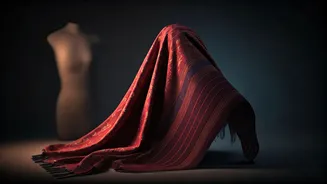
What truly elevates Pichwai couture is the immense human effort and skill embedded within each creation. The journey from concept to a finished garment involves an astonishing number of hours, often stretching into the hundreds, dedicated to meticulous handwork. Skilled artisans painstakingly recreate the intricate motifs and vibrant narratives of the original Pichwai paintings, ensuring that the artistic integrity and spirit of the ancient art form are faithfully preserved. This profound level of craftsmanship transcends ordinary clothing, transforming each outfit into a unique, collectable piece of wearable art. In an era dominated by mass production and rapid consumption, Pichwai couture stands as a poignant reminder of the enduring value of time, unparalleled skill, and the irreplaceable human touch in creating true luxury and meaningful artistic expression.