







Budget's Strategic Focus
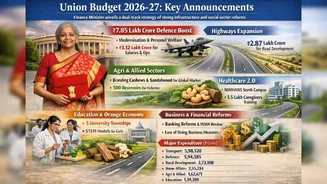
The Union Budget 2026-27 is placing a strong emphasis on boosting educational infrastructure, with a spotlight on university townships that are strategically
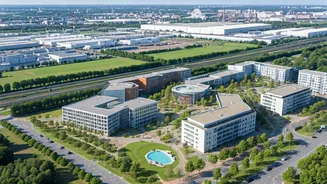
located close to industrial corridors. This strategic choice is designed to generate a symbiotic relationship between academia and industry. The primary goal is to provide a platform where education can directly align with the demands of the industries, fostering a skilled workforce and encouraging innovation. This approach is expected to lead to collaborative research opportunities, which could drive advancements in various sectors, boosting economic development. The aim is to create campuses that are not merely educational institutions, but dynamic hubs contributing to economic and technological progress.
Pune's Prime Position
As the budget prioritizes the development of university townships, Pune has emerged as a top contender, according to education experts. Its strategic location, close to important industrial corridors, makes it an ideal spot for these townships. Pune's established educational institutions and a thriving industrial base create a strong foundation for this initiative. The city's existing infrastructure, combined with the presence of multiple industries, provides a fertile ground for growth. Experts believe that the city's robust ecosystem of educational and industrial collaborations will facilitate the success of these university townships. They foresee the development of specialized courses and research facilities, specifically aligned with industry needs. This alignment could draw in students and researchers, thus strengthening Pune's position as a national hub for education and industry.
Impact and Opportunities
The budgetary proposals are expected to have a considerable effect on Pune's overall development. The focus on university townships could attract significant investment, boosting local economies and promoting job creation. New university townships will likely cause an increase in demand for housing and infrastructure, spurring further growth in the construction and real estate sectors. This planned development could also lead to a surge in specialized job opportunities, creating a demand for skilled labor. The increased presence of students and researchers could lead to the development of vibrant cultural and social environments, enriching the city's overall quality of life. Furthermore, closer ties between industry and academia are likely to result in greater innovation. Through collaborative efforts, Pune is poised to transform into a center of excellence, driving both economic and technological advancement.
Challenges and Outlook
While the proposed developments present significant opportunities, there are also potential challenges to consider. Ensuring the seamless integration of these university townships with the existing urban landscape and infrastructure will require careful planning and execution. It's crucial to address issues related to sustainable development and environmental impact to ensure a balanced approach. Furthermore, the success of this initiative will depend on fostering effective partnerships between educational institutions, industry stakeholders, and governmental bodies. Ongoing communication, cooperation, and policy support are crucial for ensuring the long-term viability of these projects. However, with the right strategies, Pune is well-positioned to leverage the opportunities presented by the budget. The city is expected to establish itself as a model for educational innovation and economic growth. The strategic foresight of the Union Budget, coupled with Pune's advantages, suggests a promising trajectory for the city's future.