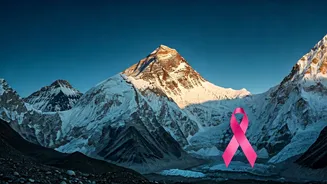








A Researcher's Own Battle
Shaunna Burke, a distinguished professor and researcher at the University of Leeds, dedicated two decades to understanding cancer, focusing on how patients
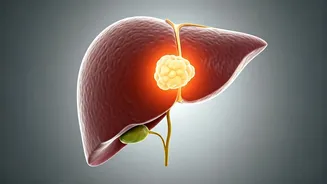
can physically and psychologically prepare for treatment and how lifestyle choices can enhance therapies. Her work aimed to empower patients by emphasizing the role of exercise and diet alongside conventional medical interventions. However, in March 2024, at 48 years old, just two months before a planned Everest Marathon, she discovered a lump, leading to a diagnosis of stage II breast cancer. Initially, this diagnosis brought a sense of relief, offering a perceived path to recovery. She clung to the hope that, despite a challenging treatment journey, a return to normalcy was possible. This hope was short-lived as subsequent scans revealed the cancer had metastasized to her liver, escalating her diagnosis to stage IV, a stage often considered incurable. The word 'palliative' used by her doctor was a stark and disorienting moment, as she associated it with frail, dependent patients, a stark contrast to her own highly active and healthy lifestyle. This personal encounter with the disease shifted her perspective profoundly, prompting a reevaluation of life's priorities and the potential for continued achievement even in the face of a terminal diagnosis.
Everest Mindset for Healing
Burke's connection with Everest is deeply rooted; she first summited in 2005, becoming one of the early Canadian women to achieve this feat. This experience profoundly shaped her understanding of the mental fortitude required for extreme challenges and catalyzed her academic pursuits in sports psychology and high-altitude decision-making. Her research began to explore the transferable psychological strategies employed by mountaineers to overcome adversity, with the belief that these insights could benefit broader populations. This led to a significant study on Mount Kilimanjaro involving breast cancer survivors, which revealed the powerful psychological recovery benefits derived from conquering the mountain. Burke's academic career, spanning 17 years focused on cancer research, culminated in her own diagnosis, placing her on the other side of the medical spectrum she had so extensively studied. Her personal journey through chemotherapy, a double mastectomy, lymph node removal, and liver tumor surgery was underscored by a commitment to exercise, drawing directly from her research to maintain her identity as an athlete and optimize treatment effectiveness. She actively incorporated a fitness regimen, running to chemotherapy sessions and walking back, believing that enhanced circulation and oxygenation could improve treatment delivery and efficacy.
Pushing Limits with Stage IV
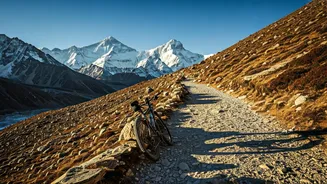
In 2025, a year after her diagnosis, Burke returned to Nepal, demonstrating remarkable resilience by competing in the Everest Marathon and ascending Lobuche East, a peak reaching over 20,000 feet, all while actively battling stage IV cancer. Her return to the Himalayas for these strenuous endurance feats was an integral part of her unconventional treatment strategy. Now, she is once again in Nepal, with her sights set on the ultimate challenge: reaching the summit of Mount Everest. Should she succeed, Burke will make history as the first woman to climb the world's highest peak with stage IV cancer. This ambition is not merely personal; it's a powerful statement against the finality often associated with terminal diagnoses. Burke acknowledges the heightened sense of vulnerability and mortality that accompanies such a journey, yet she finds profound beauty and a renewed appreciation for life's preciousness in this heightened awareness. Her philosophy is clear: confronting mortality head-on, rather than succumbing to fear, fosters growth and a deeper engagement with life. She believes that significant life events, like her diagnosis, can shake one to their core, but ultimately lead to profound personal development and a more vibrant existence.
Science at the Summit
Burke's expedition to Everest is multifaceted, serving both her personal drive and her scientific mission. A documentary film, 'Dying to Climb,' is being produced to capture her extraordinary journey. Beyond the personal narrative, Burke intends to conduct a series of scientific tests on herself to observe how her body and her cancer respond to the extreme conditions of high altitude and intense physical exertion. Collaborating with a physiologist, she has undergone comprehensive baseline health assessments. These initial results will be meticulously compared with data collected during her climb to evaluate the impact of the low-oxygen environment and physical stress on her physiology and immune system, specifically monitoring cancer biomarkers. Burke's scientific curiosity, combined with her desire to dismantle the stigma surrounding terminal diagnoses, fuels this endeavor. She aspires to use her climb as a platform to inspire others, demonstrating that even with an incurable cancer diagnosis, one can still pursue ambitious dreams and live life to its fullest. She firmly rejects the notion that a terminal diagnosis signifies the end of life's possibilities, advocating instead for continued perseverance, a relentless forward momentum, and an embrace of life's potential until the very end.