
Winter Immunity Basics
Winter often brings with it a surge in seasonal illnesses, making a strong immune system essential. A well-functioning immune system acts as your body's
primary defense, battling off infections and diseases. Strengthening this defense is achievable through dietary choices and lifestyle adjustments. Prioritizing foods rich in vitamins, minerals, and antioxidants can significantly boost your immune response. Beyond diet, consistent sleep, stress management, and regular exercise play crucial roles in maintaining a healthy immune system during the winter months. By incorporating these habits, individuals can enhance their overall well-being and decrease their susceptibility to common winter ailments.
Vitamin-C Rich Foods
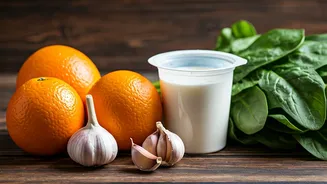
Vitamin C is a vital nutrient well-known for its immune-boosting capabilities. It supports the production and function of immune cells, helping the body effectively fight off infections. Including foods high in vitamin C in your winter diet can provide significant benefits. Citrus fruits like oranges, grapefruits, and lemons are excellent sources, easily incorporated into your daily meals. Additionally, vegetables like bell peppers, broccoli, and spinach are packed with vitamin C. Consuming a variety of these foods ensures a continuous supply of this essential vitamin, helping your body stay strong and resilient against winter illnesses.
Importance of Probiotics
The gut plays a crucial role in immune function, and probiotics can significantly enhance this. Probiotics are beneficial bacteria that promote a healthy gut microbiome, which, in turn, supports the immune system. A balanced gut helps prevent the entry of harmful pathogens into the body. Incorporating probiotic-rich foods into your diet is an excellent way to boost your immunity. Yogurt, particularly those with active and live cultures, is an accessible and delicious option. Fermented foods like kimchi and sauerkraut are also great sources of probiotics, offering various health benefits. Regularly consuming these foods helps maintain a strong gut barrier, reducing the risk of infections.
Adequate Hydration Habits
Staying hydrated is fundamental to overall health, especially during winter. Adequate fluid intake helps maintain the body's natural defenses, aiding in the removal of toxins and supporting the function of immune cells. Dehydration can weaken the immune system, making individuals more vulnerable to illnesses. Drinking plenty of water throughout the day is crucial. Besides water, herbal teas and soups can also contribute to hydration, providing essential nutrients. It's advisable to carry a water bottle to ensure you have access to water throughout the day. Consistent hydration is a simple yet effective way to maintain a healthy immune system and stay healthy during winter.
Prioritize Sleep & Rest
Adequate sleep is vital for a strong immune system. During sleep, your body repairs and regenerates, including components of your immune system. Sleep deprivation can impair immune function, making you more susceptible to illnesses. Aim for seven to nine hours of quality sleep each night to allow your body to recover fully. Establishing a consistent sleep schedule is essential; try going to bed and waking up at the same time every day. Creating a relaxing bedtime routine, such as reading a book or taking a warm bath, can also promote better sleep. Prioritizing sleep is a powerful way to bolster your immune system and stay healthy throughout the winter months.
Stress Management Techniques
Chronic stress can suppress the immune system, making you more vulnerable to infections. Practicing stress management techniques is, therefore, crucial during winter. High stress levels can increase the production of cortisol, a hormone that weakens immune responses. Activities like meditation, yoga, and deep breathing exercises can help lower stress levels and support immune function. Spending time outdoors, such as going for walks in nature, can also be beneficial. Engaging in hobbies and activities that bring joy can provide a healthy distraction from stress. Making stress management a regular part of your routine is an effective way to strengthen your immune system and protect your health during the winter months.




![[WATCH] 'Real Madrid, Ramadan and rest' - Mohammed Siraj how last-minute World Cup call-up changed February plan](https://g-mob.glance-cdn.com/public/fc/image/ByYT_LEmlrD0.webp)