







The Rise of Grey Embracing
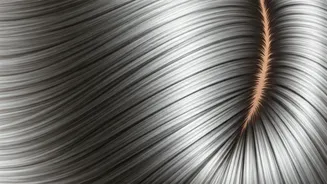
The perception of grey hair has undergone a significant shift, moving from something to be concealed to a celebrated feature. Many individuals are now
choosing to embrace their natural salt-and-pepper manes, recognizing the inherent chicness and individuality it offers. This evolving attitude has paved the way for innovative hair coloring techniques that don't aim to completely hide greys, but rather to integrate them harmoniously. Gone are the days of solely relying on harsh root touch-ups that can appear artificial. Modern hair color artistry now focuses on creating a more organic and stylish transition, allowing you to grow out your grey roots with confidence and flair, making it a desirable trend for those seeking a less demanding hair maintenance routine.
Grey Blending Explained
Grey blending is a sophisticated hair coloring technique designed to make the transition to grey hair feel natural and fashionable. Instead of covering grey roots entirely, this method strategically incorporates them into the overall hair color. Stylists analyze your natural grey pattern and complement it with complementary highlights or lowlights. Popular methods like balayage and traditional highlights are adapted to achieve this blend. These techniques typically involve selective bleaching and coloring of specific strands, often in shades of honey brown, caramel, platinum blonde, or even cool blues. The advantage of this approach is that it minimizes damage to the hair compared to full global coloring, as only select sections are processed. This allows your greys to grow out organically without the need for frequent, obvious root touch-ups.
Balayage for Greys
The balayage technique, celebrated for its sun-kissed and multidimensional effect, is perfectly adaptable for grey blending. In this method, hair color is hand-painted onto select sections of hair, creating soft, natural-looking highlights. For grey blending, the chosen highlight tones are specifically selected to either camouflage or accentuate your natural grey strands. This often involves lifting the hair color to various degrees of lightness through precise bleaching. Shades like ash grey, platinum, and cool-toned blondes are particularly effective. These lighter hues not only blend seamlessly with existing greys but also reflect light beautifully, creating an illusion of depth and making the entire mane appear effortlessly stylish and intentionally colored. This makes it an excellent choice for achieving a sophisticated, low-maintenance look.
Highlights & Split Colour
Another effective approach to grey blending involves strategic highlighting, particularly with chunkier highlights or a "split color" technique. This method can be used to draw attention to and celebrate your natural grey streaks, rather than trying to conceal them. Bold streaks of silver or ice blonde can illuminate and enhance the existing grey pattern, making it a focal point of your hair. This is especially beneficial for individuals who notice greys appearing in distinct areas, such as around the face, at the nape of the neck, or as a prominent line from the crown. Split hair coloring can involve highlighting these specific areas and then adding complementary highlights elsewhere to create balance. Brightening face-framing strands can add an illuminating effect and seamlessly integrate greys near the hairline, contributing to an overall radiant and cohesive look.