





The Growth Machine
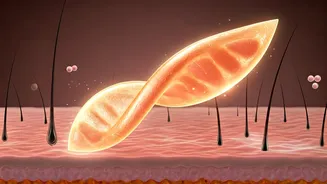
Hair growth isn't a surface phenomenon; it originates deep within the scalp at the hair follicles. This intricate biological process is primarily dictated
by internal mechanisms, not external applications. Your genetic makeup lays the groundwork, determining the inherent pace of hair cycles. Hormonal fluctuations act as the master regulators, orchestrating the various stages of hair growth. Crucially, the nutrients circulating in your bloodstream play a vital role in supplying the building blocks for new hair. Furthermore, your overall well-being, encompassing stress levels and sleep quality, significantly impacts the health and vitality of your hair. Thus, any external treatment, including a milk rinse, cannot fundamentally alter this internal 'growth clock' overnight; it's a complex interplay of intrinsic biological factors.
Milk's Nutritional Power
Milk is a rich reservoir of essential nutrients vital for overall health, including components that can support hair. It contains significant amounts of proteins, such as casein and whey, which are fundamental building blocks for keratin, the primary protein that constitutes hair. Additionally, milk provides essential vitamins, notably B12 and D, and minerals like calcium, alongside beneficial fats that contribute to hair hydration. While the notion of 'refilling' hair with protein via a milk soak seems logical, the bioavailability and delivery mechanism are key. The benefits of these nutrients are far more pronounced when consumed internally, allowing the body to effectively distribute them to the hair follicles through the circulatory system.
The Myth of Faster Growth
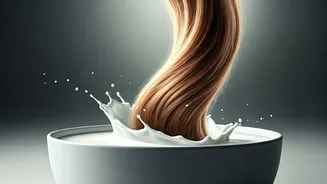
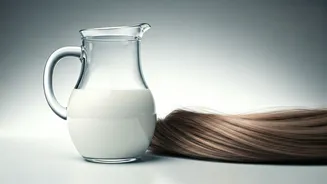
The popular belief that washing hair with milk directly stimulates faster hair growth is largely a myth. While milk does contain beneficial compounds, their effectiveness when applied topically is limited. The protein molecules in milk are generally too large to penetrate the hair shaft or the scalp effectively. Consequently, they cannot reach the hair follicle, which is the sole origin point of hair growth. The consensus among experts is that milk primarily functions as a mild, natural conditioner. It coats the hair strands, improving texture and appearance, rather than acting as a biological stimulant for accelerated growth originating from the follicle.
Cosmetic Benefits of Milk
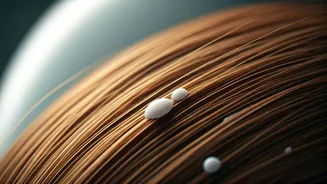
Despite not being a growth accelerator, milk offers tangible cosmetic benefits for hair. The natural fats present in milk can coat the hair strands, imparting a smoother, silkier feel and enhancing manageability. This coating also helps to smooth the hair cuticle, leading to increased shine and a healthier appearance. For those struggling with frizz, the moisturizing properties of milk can add a touch of weight and hydration, helping to tame flyaways. Furthermore, the lactic acid found in milk can act as a gentle exfoliant for the scalp, potentially alleviating dryness. These effects collectively contribute to an illusion of longer hair by reducing breakage and improving overall hair health and appearance.
Real Growth Strategies
For tangible and science-backed hair growth, focusing on internal and fundamental care is paramount. A balanced diet rich in iron, zinc, and biotin is crucial, providing the essential nutrients the body needs to produce keratin. Maintaining a clean scalp through regular washing and stimulating blood flow with gentle massages can promote a healthy environment for follicles. Minimizing damage from heat styling tools and harsh chemical treatments is also vital to prevent breakage and allow hair to retain its length. Essentially, while milk can enhance hair's texture and appearance, true growth and health are fostered by a holistic approach addressing nutrition, scalp care, and damage prevention.