

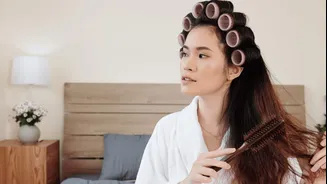
Chemical Impact On Hair
The journey of hair colouring is evolving, shifting from purely aesthetic choices to a deeper concern for overall hair and scalp well-being. As awareness
about product ingredients grows, individuals are scrutinizing what they apply not just to their skin but also directly to their scalp. Traditional hair dyes, which have long relied on potent chemicals like ammonia and hydrogen peroxide, are now under the spotlight. Ammonia's role is to forcefully open the hair's protective cuticle layer, creating an entry point for colour. Simultaneously, hydrogen peroxide acts as a bleaching agent, stripping the hair of its natural pigment to make way for the new shade. While these ingredients are effective for achieving immediate and dramatic colour transformations, their repeated application can lead to significant cumulative damage. This harsh process can degrade the hair's protein structure, resulting in dryness, increased fragility, a loss of natural luster, and heightened sensitivity of the scalp over time. The detrimental effects often go unnoticed until substantial damage has already occurred, prompting a search for less aggressive colouring methods.
Greying And Damage Risks
The persistent use of conventional hair dyes, particularly those containing harsh chemicals, is increasingly linked to accelerated greying and long-term hair deterioration. Ammonia and hydrogen peroxide, the foundational ingredients in many traditional formulations, work aggressively on the hair shaft. Ammonia's alkalizing nature forces the cuticle to lift, while hydrogen peroxide breaks critical disulfide bonds within the hair's protein structure, a process that can cause protein loss ranging from 93% to an alarming 307%. This structural compromise leads to irreversible damage, manifesting as brittleness and a propensity for breakage. Furthermore, the oxidative processes triggered by these chemicals generate free radicals, which inflict further harm on the hair's integrity. Beyond immediate structural damage, the long-term risks associated with frequent exposure to these chemicals can include scalp dysbiosis—an imbalance in the scalp's natural microbiome—and, in some discussions, even links to thinning hair and increased susceptibility to scalp conditions. This cumulative effect underscores the importance of considering the underlying health of the scalp and hair when choosing colouring products for regular use.
Safer Colouring Innovations
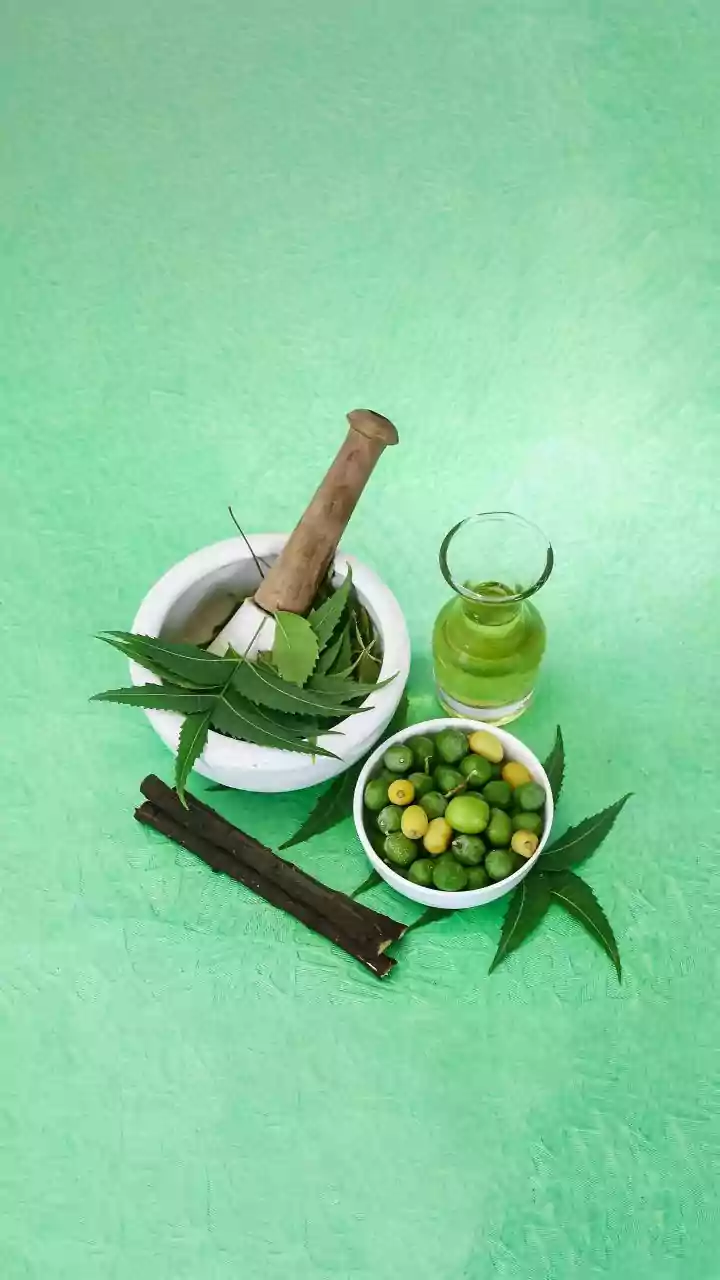
In response to the growing concerns about chemical damage, a new generation of hair colour solutions is emerging, prioritizing scalp health and hair integrity. These innovations focus on ammonia-free and hydrogen peroxide–free formulations, designed to achieve vibrant colour without aggressively altering the hair's natural structure. Instead of forcing open the cuticle, these gentler alternatives work more harmoniously with the hair, helping to maintain its natural strength and resilience. Advanced techniques include pH-controlled colouring systems, typically maintaining a pH between 4.5 and 5.5 to preserve cuticle integrity, and hybrid alkaline systems that avoid ammonia. These methods often incorporate lower peroxide concentrations, plant-based pigments for colour deposition, and nanotechnology to ensure even colour distribution. Such formulations aim to minimize irritation, reduce damage, and preserve the hair's natural moisture balance, leading to enhanced softness, shine, and overall quality over time. For individuals who colour their hair frequently, these advanced, low-chemical options offer a sustainable path to maintaining hair health while achieving desired colour results.
The Organic Alternative
The shift towards healthier hair dyeing practices has propelled organic and damage-conscious formulations to the forefront. Certain gel-based hair colour products are now developed entirely without ammonia, hydrogen peroxide, or PPD (para-phenylenediamine), aligning with a broader philosophy of minimizing chemical exposure. These formulations are meticulously crafted to deposit colour onto the hair without stripping its natural strength or vitality. This makes them an exceptionally suitable option for individuals who regularly colour their hair. The key differentiator for these advanced products lies not only in their exclusion of harsh chemicals but also in their emphasis on long-term benefits. By significantly reducing scalp irritation and helping to preserve the hair's natural moisture balance, they contribute to maintaining hair softness, shine, and overall quality over extended periods. For frequent colourers, this conscious choice can translate into a noticeable improvement in hair condition and a reduction in common issues like dryness and breakage, supporting robust hair health over time.