
Spice Route Unveiled
Indian cuisine, a treasure trove of flavors, is deeply rooted in the skillful use of spices. These aren't mere additions; they're the soul of each dish,
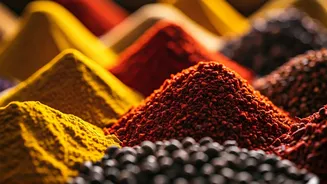
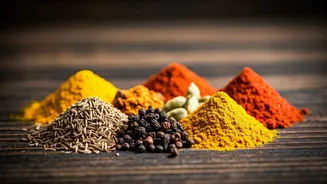
transforming simple ingredients into complex, unforgettable experiences. Think of turmeric, the golden hue and earthy warmth, vital for both flavor and health. Then there's cumin, with its nutty depth, often found in various masalas. Coriander, known for its citrusy notes, and chili peppers, from mild to fiery, that define the heat levels across the country. Each spice contributes distinct characteristics and when combined creates symphony of flavor that dance on the palate. The meticulous blending of these spices, often based on regional preferences and family secrets, is what gives Indian food its remarkable character and depth, setting it apart from other cuisines. Beyond taste, spices hold cultural significance. They tell tales of history, trade, and the ever-changing culinary practices that have evolved over millennia.
Cooking Styles Explored
The diversity of cooking methods is another hallmark of Indian cuisine, reflecting the varied geography and traditions. Grilling in a tandoor, a cylindrical clay oven, infuses meats and bread with a smoky, charred flavor, such as tandoori chicken and naan. The art of tempering, or tadka, is fundamental, where spices are bloomed in hot oil, unlocking their aromatic oils and creating a fragrant base for curries and dals. Sautéing, with ingredients quickly cooked in hot oil, is the foundation for many vegetable and meat dishes, ensuring the flavors are fully developed. Slow cooking, a cherished practice, allows flavors to meld beautifully, creating tender, savory dishes like rogan josh. Each technique imparts a unique character to the food. The choice of cooking method also varies by region. Southern Indian cuisine often features dishes steamed or simmered, preserving the freshness of ingredients. Northern cooking might prioritize the richness gained from tandoor or slow cooking. The techniques used are crucial to the taste profile of Indian food.
Regional Flavors Revealed
India's culinary landscape is not a monolith; instead, it is a kaleidoscope of regional cuisines, each with its unique identity and characteristics. North Indian dishes are often known for their rich, creamy gravies. Butter chicken and various biryanis exemplify the richness. South Indian cuisine is characterized by its use of rice, lentils, and coconut milk, often incorporating ingredients like tamarind and curry leaves. You'll find delicious dosas, idlis, and sambar. West Indian food, especially from Maharashtra and Gujarat, features a blend of sweet, spicy, and tangy flavors, often reflecting the influence of trade routes. East Indian food, particularly from Bengal and Odisha, celebrates fish and seafood, showcasing the influence of the region's rivers and coastline. Each region's cuisine tells a story of local ingredients, cultural traditions, and historical influences, making Indian food a vibrant and evolving expression of its people.
Iconic Dishes Detailed
Several dishes have become synonymous with Indian cuisine globally, representing its diverse flavors. Butter chicken, a creamy tomato-based dish with tender chicken pieces, has gained immense popularity for its rich, aromatic qualities. Biryani, a flavorful rice dish with meat or vegetables, known for its layering of flavors and textures, presents another favorite. Dosa, a thin crepe made from fermented batter, is a popular South Indian staple, typically served with sambar and chutney. Samosas, the fried or baked savory pastries, filled with spiced potatoes, peas, and lentils, are a beloved snack across the country. Each dish represents a specific region, or a preparation method. From the street-side vendors to the upscale restaurants, these iconic dishes embody the flavors, techniques, and culinary artistry that define Indian food, inviting everyone to experience India through its food.
Essential Ingredients Listed
The cornerstone of Indian cooking rests on a foundation of essential ingredients. Rice, a staple in many regions, forms the base for countless dishes, from simple steamed rice to elaborate biryanis. Lentils, or dals, provide protein and are a key element in many vegetarian dishes, creating comforting dals. Various spices are critical, creating the complex layers of flavor, as mentioned before. Vegetables, from the simple potato to exotic okra, are a highlight of Indian cuisine, providing both nutrients and variety. Dairy products, like yogurt and ghee (clarified butter), are frequently incorporated to enrich dishes, giving a creamy texture. Nuts, particularly cashews and almonds, add richness. These ingredients, combined skillfully, create a wide spectrum of flavors and textures. The careful selection and use of these fundamental elements are integral to the making of authentic Indian food.
Tips for Indian Cooking
To bring the authentic flavors of India into your kitchen, a few tips can be invaluable. Start with high-quality spices, ensuring freshness by buying whole spices and grinding them just before use. Practice the art of tempering, blooming spices in hot oil to release their aromas. Adjust the level of heat to your preference, starting with smaller amounts of chilies and adding more as needed. Experiment with different regions and recipes to expand your culinary repertoire. Don't be afraid to try new techniques, such as using a pressure cooker to speed up cooking times. Engage with the cultural significance and the stories behind the dishes. By approaching Indian cooking with enthusiasm and patience, you'll discover a world of flavors and create unforgettable meals.