





The Winter Garden
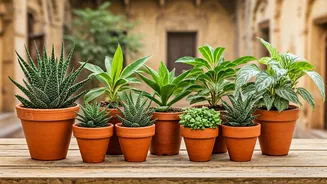
Winter in India unveils a special beauty, with gardens transforming under the influence of the season. For generations, families have carefully selected
plants not just for beauty but for their crucial roles in daily life and cultural practices. These plants are the essence of a family's legacy. This tradition spans generations. These plants are grown not only for their beauty but also for their utility. They provide food, medicine, and contribute to unique celebrations. These plants highlight the diverse climates of the country, from the snowy Himalayas to the warm coastal regions. These eight plants represent a rich tapestry of Indian heritage, symbolizing resilience, adaptability, and the enduring connection between people and nature.
Mustard's Golden Glow
Mustard (Sarson) holds a very special place in Indian households, especially in northern regions. Its vibrant yellow flowers are a cheerful signal of the approaching winter harvest season. For families, cultivating mustard has been a time-honored practice. They have relied on it for generations to provide nutritious cooking oil and a variety of culinary delights. The mustard plant is known for its versatility. The leaves are used in saag, and the seeds make mustard oil. Families frequently celebrate the mustard harvest with various rituals and festivities. These practices are a beautiful reminder of the close relationship between people and the land. They highlight the plant's economic importance.
Spinach's Nutritious Legacy
Spinach (Palak) is a staple in many Indian homes during the winter months, celebrated for its nutritional benefits and adaptability. Families have incorporated it into their diets for centuries. The plant offers an abundance of vitamins and minerals to maintain health. Spinach is very important in traditional Indian cuisine. It is a key ingredient in dishes like Palak Paneer. Families recognize the value of spinach. It strengthens their connection to healthy eating practices. The plant's easy cultivation and robust nature further solidified its role. They are both practical and culturally important in homes across India. It helps provide wholesome food. This establishes a tangible link between generations.
Radish's Crisp Refreshment
Radishes (Mooli) bring a refreshing crunch to winter meals throughout India. For families, radishes represent the freshness of the season and a simple way to stay healthy. They are often eaten raw, added to salads, or incorporated into various cooked dishes. The radish is a very versatile root vegetable. It is a part of traditional recipes and cultural practices. It is a symbol of a family's resourcefulness. Its easy cultivation and fast growth make it a reliable food source. From North to South, radishes are loved. They bring both flavor and nutrition to the winter table, showing the ingenuity of Indian home cooking.
Carrot's Vibrant Hue
Carrots (Gajar) are another vibrant feature of the winter landscape. They offer both color and essential nutrients to Indian meals. Families have enjoyed carrots for centuries, incorporating them into a variety of dishes. From the famous Gajar ka Halwa to simple vegetable preparations, carrots are a winter essential. They are both versatile and delicious. Carrots promote healthy eyes and skin. Families have used this knowledge for generations. Carrots thrive in the winter. Their presence on the table symbolizes health and well-being. It also celebrates the season's bounty. The sweetness of carrots adds another layer to traditional Indian cuisine.
Fenugreek's Fragrant Touch
Fenugreek (Methi) offers a fragrant and flavorful addition to winter dishes across India. It provides a unique, slightly bitter taste that enhances many recipes. Families have relied on methi leaves and seeds for their culinary and medicinal properties. Fenugreek is known for its digestive benefits. It is a key ingredient in dishes. The plant is versatile, being used both fresh and dried. Families use methi to add flavor to their food. Its properties make it very valuable. The practice reinforces a deep understanding of natural remedies. This makes it an integral part of traditional Indian kitchens. The use of fenugreek also reflects the value placed on natural ingredients.
Pea's Delicate Sweetness
Peas (Matar) are a staple in many winter meals across India, appreciated for their delicate sweetness and versatility. They add both flavor and nutritional value. For families, peas are a symbol of the season's bounty and a welcome addition to the table. Whether added to vegetable curries, rice dishes, or enjoyed as a simple side, peas are a winter delight. Peas are used to add flavor to dishes. They are simple to prepare. They are also highly versatile. From the north to the south, peas bring joy and nourishment to households. This reflects the family's ability to maintain healthy eating habits. Peas reinforce a love of fresh produce.
Turnip's Earthy Delight
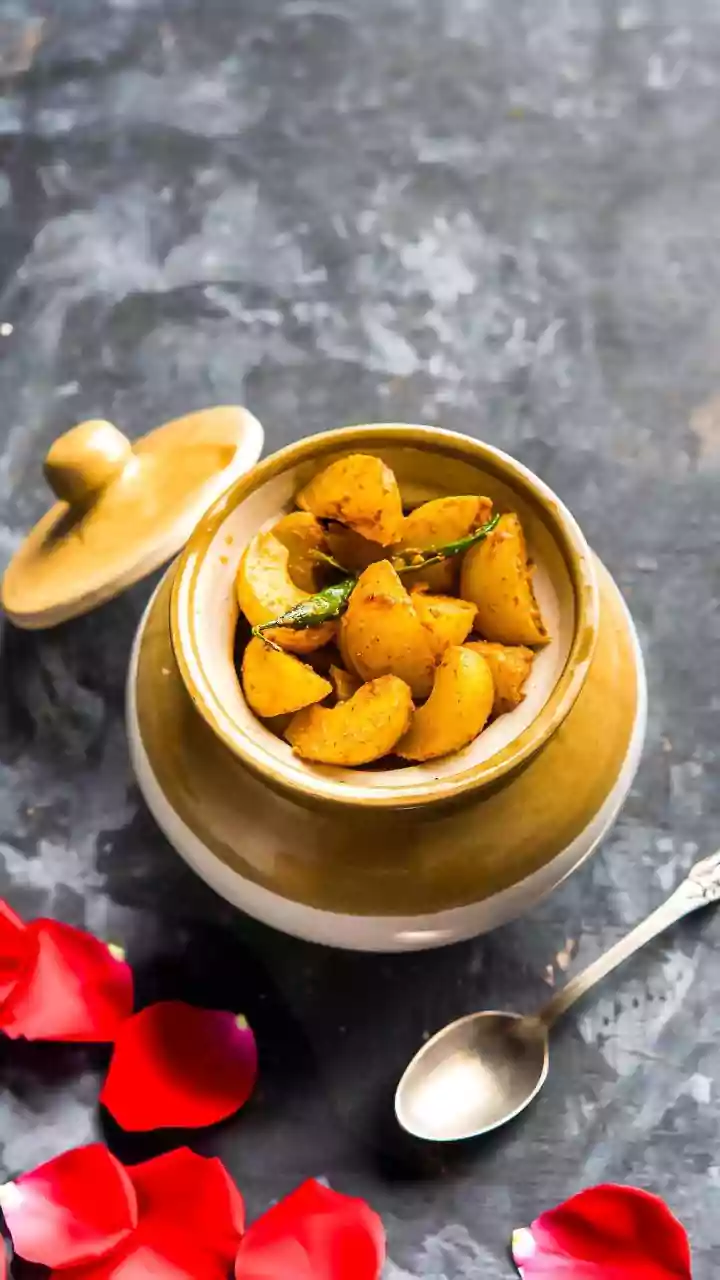
Turnips (Shalgam) present an earthy flavor to winter cooking in India. Families have incorporated this root vegetable into their diets for generations, using it in various dishes. Turnips offer a hearty texture and unique flavor profile, making them a valued component of winter meals. The plant has cultural importance. It provides a filling meal. Turnips have a number of uses in Indian cuisine. From savory curries to blended stews, turnips enrich the winter season. These meals create a sense of belonging within the family. Families have an understanding of traditional cooking practices. The versatility and heartiness of turnips make them a reliable choice. The practice reinforces a deep connection to their cultural heritage.