



The Crowded Cosmos
The vast expanse of space surrounding Earth is becoming increasingly congested. Over the recent years, the number of satellites deployed into orbit has
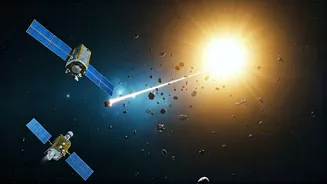
drastically increased. This surge is fueled by various factors, including the need for enhanced communication, Earth observation, and scientific research. However, this escalating number of satellites has a direct consequence: a higher probability of collisions. Each new satellite adds to the risk. Moreover, the problem extends beyond active satellites. Space debris, comprising defunct satellites, fragments from past collisions, and other discarded objects, further clutters the orbital environment. This debris poses a significant hazard because it travels at extremely high speeds, allowing even small fragments to inflict severe damage. The constant accumulation of both active satellites and space debris is creating a veritable traffic jam in the heavens, demanding urgent attention and management.
Kessler Syndrome Explained
One of the most concerning outcomes of the burgeoning space traffic is the potential for the Kessler syndrome. Proposed by NASA scientist Donald Kessler, this scenario describes a self-perpetuating cascade of collisions. The more debris present, the greater the likelihood of future collisions. Each collision generates even more debris, thereby accelerating the process. This chain reaction could eventually render specific orbits unusable for decades, or even centuries. The impact of the Kessler syndrome would be far-reaching, crippling essential services dependent on satellites. Telecommunications, GPS navigation, weather forecasting, and Earth observation are just a few examples of services that could be severely disrupted. The severity of the Kessler syndrome underscores the pressing need for proactive measures to mitigate the risk and preserve access to space for future generations. The potential for such a catastrophe demands careful consideration and strategic planning to prevent its occurrence.
Collision Consequences Real
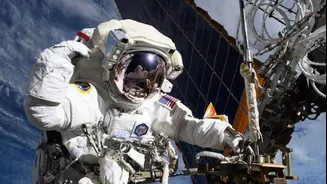
The repercussions of satellite collisions extend beyond merely damaging hardware; they have wide-ranging consequences for various aspects of our daily lives and scientific endeavors. A collision can lead to the loss of vital communication and navigation infrastructure, affecting everything from global internet access to emergency services. Furthermore, a major collision could result in the disintegration of a satellite, potentially releasing hazardous materials into the atmosphere or endangering astronauts on the International Space Station. The generation of vast amounts of space debris poses a constant threat to operational satellites, necessitating costly and complex avoidance maneuvers. Space debris can also impede scientific research by obstructing observations and interfering with sensitive instruments. It is therefore evident that satellite collisions have multifaceted implications that extend far beyond immediate damage. Mitigating these risks is not merely a technical challenge; it is a critical necessity for maintaining the benefits of space-based technology and safeguarding both our assets and human space activities.
Mitigation and Prevention
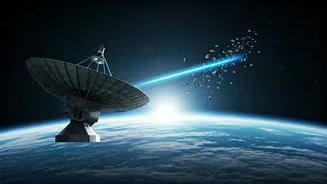
Addressing the risk of satellite collisions necessitates a multifaceted approach involving both preventative measures and remediation efforts. One critical strategy is to develop and enforce regulations regarding satellite launches and operations, promoting responsible behavior in space. This includes guidelines for limiting the generation of space debris during launches, designing satellites to deorbit themselves at the end of their operational lives, and establishing effective tracking systems to monitor and catalog space debris. Another important aspect involves actively removing existing debris from orbit. This can be achieved through various technologies, such as debris capture devices, robotic spacecraft, and laser ablation. International collaboration is paramount in implementing these strategies, ensuring consistent standards and coordinated efforts across nations. Furthermore, continued technological innovation is essential for developing more efficient and cost-effective solutions for debris removal and collision avoidance. Only through a concerted, global approach can we secure the long-term sustainability of space activities and mitigate the hazards posed by satellite collisions.