




The Power of Consistency
Healthy aging is far more than just reaching a certain number; it's a testament to self-love, courage, and a daily commitment to valuing your body's journey.
This mindset has been the driving force behind Shenaz Treasury’s father, who, at 83, remains incredibly vibrant. Shenaz shared in a recent Instagram post that her dad has been a consistent workout partner since she was a teenager. She recalled an incident when she was 15 and struggled to pedal a water bike; her father, recognizing her lack of fitness, immediately initiated a push-up routine for her that very day. This marked the beginning of her fitness voyage, one she has shared with her father ever since. His current vitality isn't a matter of luck or genetics, but rather the result of an unwavering commitment to staying active and never giving up on his physical well-being. His journey is a powerful illustration of how sustained effort in fitness yields remarkable long-term rewards.
Functional Movements Explained
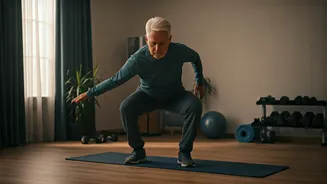
Functional exercises are built around fundamental human movements that mirror our daily activities. Think of actions like lunging when climbing stairs, deadlifting to pick up a heavy object like a sack of rice, or performing loaded carries when transporting shopping bags. These multi-joint exercises are crucial for strengthening and toning both the upper and lower body. Beyond just building muscle, they significantly enhance balance and coordination, making everyday tasks feel easier and more natural. Experts emphasize that functional training is key to improving an individual's capacity to navigate their daily environment with greater ease and confidence. Incorporating these movements into a fitness regimen provides a direct benefit to real-world physical capabilities, promoting a more active and independent lifestyle throughout life.
Building a Healthy Foundation
Establishing a foundation for a healthy old age should ideally commence in one's 20s and 30s. As we age, a well-rounded fitness routine becomes paramount, prioritizing strength training, maintaining mobility, and engaging in controlled cardiovascular exercise. Strength training is vital for preserving muscle mass, which naturally declines with age, and for ensuring joint stability. Mobility exercises are equally important as they help retain the full range of motion in our joints, thereby reducing stiffness and preventing the onset of limitations. Experts advise focusing on controlled, deliberate movements that replicate functional patterns. This approach, when supported by adequate protein intake and sufficient recovery, creates a robust framework for sustained physical health and functional independence.
The Crucial Role of Protein
Protein is an indispensable component for healthy aging, playing a critical role in maintaining muscle mass, bolstering immune function, and facilitating the body's recovery processes. For individuals in their 80s, consuming easily digestible protein sources is particularly beneficial. Options such as lentils, paneer, yogurt, or fish, depending on individual tolerance, can significantly contribute to sustaining strength and ensuring functional independence. It's also recommended to pair these protein-rich foods with fiber-rich vegetables and complex carbohydrates. This combination not only supports stable energy levels throughout the day but also helps mitigate post-meal fatigue, promoting overall well-being and sustained vitality.