







The Coronavirus Family
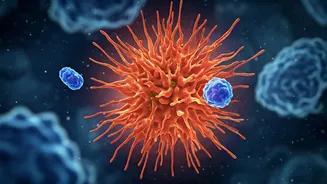
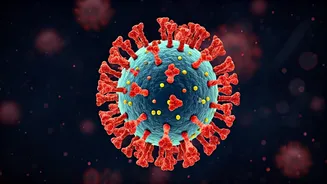
Coronaviruses are a vast and varied group of viruses, distinguished by the crown-like projections on their surface, which lend them their name. These viruses were
first identified in the mid-1960s and are known to cause a range of illnesses in both humans and animals. While most coronaviruses circulate among animal populations such as bats, camels, cats, and pigs, they possess the ability to jump to humans – a phenomenon known as zoonotic transmission. In some instances, these viruses can adapt and evolve, enabling them to spread efficiently from person to person, leading to outbreaks and epidemics. The sheer diversity of coronaviruses means that hundreds of these viruses exist, each with its unique characteristics and host preferences.
Emergence of SARS-CoV-2
The world became acutely aware of a new coronavirus strain with the emergence of SARS-CoV-2. This novel virus, never before identified in humans, made its initial appearance in a busy seafood and poultry market located in Wuhan, China. This specific strain of coronavirus quickly demonstrated its capacity for rapid human-to-human transmission, sparking global concern. The identification and naming of the virus as SARS-CoV-2 by the International Committee on Taxonomy of Viruses (ICTV) marked a critical step in understanding and combating the pandemic it caused. The origin in a market environment highlighted the potential risks associated with human interaction with animal populations and the subsequent zoonotic spillover event.
COVID-19 Symptoms and Transmission
The disease caused by SARS-CoV-2, known as COVID-19, typically manifests with a set of recognizable symptoms that can appear anywhere from two to fourteen days post-infection. The most frequently observed indicators include a dry cough, a noticeable shortness of breath, and a fever. However, other common symptoms can also emerge, such as muscle aches and a sore throat, contributing to the broad spectrum of illness. Understanding how this virus spreads is crucial for containment efforts. COVID-19 is primarily transmitted through respiratory droplets expelled when an infected individual coughs, speaks, sings, or exhales. Maintaining close proximity (less than one meter) to an infected person increases the risk of inhaling these droplets. Furthermore, the virus can persist on surfaces, meaning that touching a contaminated object and subsequently touching one's face—eyes, nose, or mouth—can also lead to infection. Current estimates suggest that an infected individual can, on average, transmit the virus to between two and three other people.