

Mass-Produced and Novelty Items
To cultivate a timeless living space, interior designers strongly advise against featuring mass-produced art and decor, particularly those with overly
literal or trendy themes. Pieces like generic word art, playful novelty objects, artificial plants, or items quickly acquired solely to fill empty spots can rapidly date a home. Opting for items that are too specific to a particular moment or trend undermines the enduring appeal of a room. Instead, focus on acquiring art and decorative elements that possess a deeper meaning or a more unique character, ensuring they contribute to a lasting aesthetic rather than a temporary statement.
Imitations Lacking Craftsmanship
A home designed with fleeting trends at its core, rather than considering the inherent scale and build of the space, can often feel less polished. This is especially true when decorative choices are built around imitation materials or finishes that mimic classic styles but lack genuine substance. According to design experts, pieces that don't showcase authentic craftsmanship tend to make a room appear dated quite swiftly. Replacing these superficial imitations with foundational elements like natural wood, stone, and well-tailored upholstery allows a home's design to age more gracefully and harmoniously over time, creating a more sophisticated and enduring environment.
Trendy, Impersonal Decor
While incorporating a trendy decoration that speaks to your personal interests can be a positive addition, overstuffing a room with trendy items that hold no genuine personal connection is a surefire way to make a home feel outdated. If an object lacks tangible material quality or a meaningful personal narrative, it's often the first candidate for removal when striving for a timeless interior. The recommended approach is to first curate the essentials, focusing on the home's fundamental structure – its scale, flow, and enduring materials – before layering in elements that add warmth, texture, and personal significance, rather than simply chasing the latest fad.
Overly Thematic Decor
Highly thematic decor is another category that designers suggest reassessing if the goal is to achieve a timeless home. While a specific theme, such as cats or a particular pattern, might be a personal favorite, allowing it to dominate the entire living space can lead to a dated appearance. Instead, such personal flair can be integrated in a more understated and refined manner. For instance, a subtle nod to a theme could be a charming dish towel in the kitchen or a whimsical hand towel in the bathroom. This strategy allows for personal expression without compromising the overall timeless and cohesive aesthetic of the home.
Bold Novelty Patterns
To enhance a home's timeless quality, interior designers advise removing elements that feel excessively trend-driven or visually overwhelming. This includes bold novelty patterns, which can quickly fall out of favor. Patterns that were once considered fun and contemporary, like chevron or strong animal prints in stark colorways, can now appear out of style. These visually striking designs, while potentially eye-catching, often detract from a lasting aesthetic and can make a space feel less enduring. A move towards more subtle or classic patterns will contribute to a more timeless appeal.
Moment-Specific Finishes
Certain design finishes are intrinsically linked to specific historical periods and can inadvertently make a home feel outdated. Examples include overly ornate farmhouse details or excessively glossy gray flooring, which often reflect a short-lived design cycle rather than a long-term aesthetic. These elements can quickly date a space because they are tied to a particular trend that is prone to fading. Embracing finishes that are more classic and less susceptible to rapid stylistic shifts will contribute to a more enduring and sophisticated interior design.
Excessive Surface Clutter
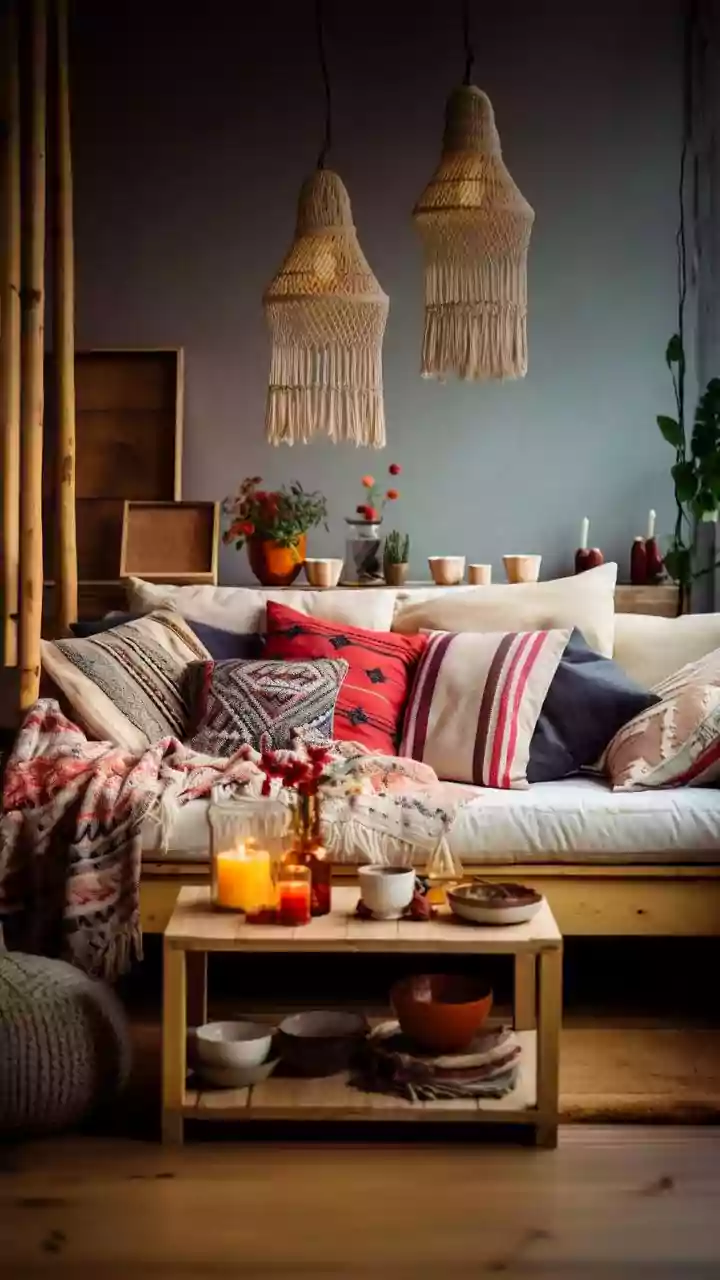
Reconsidering and reducing excessive clutter is a crucial step in creating a timeless home. Timeless interiors exude intentionality and a sense of careful curation, rather than appearing overcrowded. When every available surface is filled with objects, the visual field becomes overwhelmed, preventing the eye from finding a place to rest. This lack of visual breathing room can make a home feel more chaotic and less enduring. A well-edited space, where each item has a purpose or a place, fosters a sense of calm and sophistication that contributes to a timeless aesthetic.