








Taxation and Finance
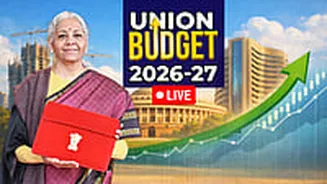
The Budget 2026 delivered several significant announcements concerning taxation and the financial sector. Experts are analyzing these measures to understand
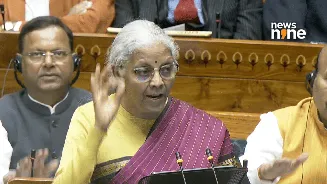
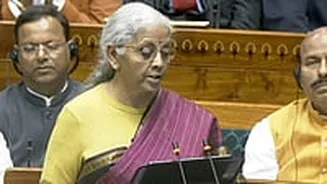
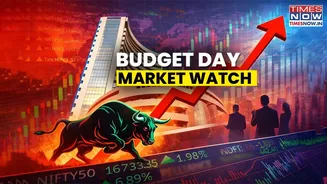
their effects on the market. One major change involves the Securities Transaction Tax (STT) on futures, which has increased from 0.02% to 0.05%. This rise sparked a sharp reaction in the stock market, with the Sensex experiencing a significant downturn, losing 1,547 points, and eroding approximately Rs 10 lakh crore in market value. Simultaneously, there's discussion about the possible introduction of joint taxation for married couples and how it might impact taxpayers. Meanwhile, the budget includes incentives and tax clarifications for Sovereign Gold Bonds. Moreover, changes in income tax rules are set to take effect, with the ITR revision deadline being shifted from December 31 to March 31. This modification is meant to streamline the tax filing process.
Market and Investments
The investment landscape will experience considerable shifts as a result of the Budget 2026. Experts point out that the recent STT hike has significantly dented market sentiment, triggering a massive sell-off. Gold and silver ETFs saw steep declines, with drops of up to 14%. The market’s response has been immediate, with the Sensex experiencing a significant fall. However, despite the downturn, trading will continue as usual, with the BSE and NSE remaining open for regular trading on February 1. Furthermore, the budget included measures such as duty relief for various cancer drugs and import exemptions for drugs treating rare diseases. Simultaneously, the focus has shifted to the development of infrastructure, and a substantial capex boost is expected to drive economic growth and reforms.
Sectoral Impact
Several sectors are set to be affected by the Budget 2026. The financial sector is poised for major changes, with the RBI launching an Integrated Ombudsman Scheme 2026. From July 1, the new grievance redressal will be implemented. Simultaneously, the government is proposing the formation of a high-level panel to shape the banking roadmap for Viksit Bharat 2047. The health sector is also slated for significant investment, with the health budget exceeding Rs 1 lakh crore, shifting focus to infrastructure and state-level initiatives. Additionally, there's a strong emphasis on decarbonization, with a Rs 20,000 crore investment planned over five years to back Carbon Capture, Utilization, and Storage (CCUS). The tourism sector will benefit from a push for adventure tourism, with specific incentives potentially announced for poll-bound states like West Bengal, Tamil Nadu, Assam, and Kerala.
Income Tax Reforms
Taxpayers can anticipate crucial revisions in the income tax structure as the Budget 2026 takes effect. A notable aspect is the potential introduction of new tax rules, alongside a possible shift in the structure of the old versus new tax regimes. The budget deliberations include discussions about providing higher deductions and relief on the 30% tax slab. The move aims to make the new tax regime more attractive, according to experts who are considering ways to offer home loan and health insurance deductions within the new framework. Moreover, the government is considering changes to the Employee Provident Fund Organisation (EPFO) wage ceiling, which may increase to Rs 25,000, impacting salaries, PF deductions, and overall employee benefits. This will affect both salaried employees and pensioners.
Market Outlook
The Budget 2026 has initiated a series of market reactions, with analysts and investors closely observing the potential impact on various financial instruments and sectors. The rise in STT has led to a significant market downturn, triggering a substantial sell-off across multiple sectors. Gold and silver prices on MCX have also experienced crashes, with gold falling to a lower circuit and silver also facing significant declines. As a result, market experts are advising investors on how to trade in the Nifty and Sensex on February 1. Furthermore, the government is actively countering criticisms, with FM Sitharaman defending the budget’s key initiatives against claims made by the opposition. Simultaneously, the SEBI is on the verge of issuing a No-Objection Certificate (NOC) for the NSE IPO, as revealed by NSE CEO Ashish Chauhan.