




Scalp Massage: A Circulation Booster
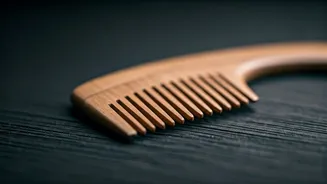
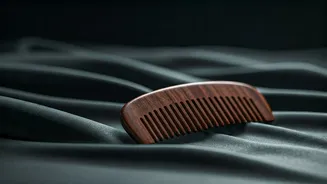
The age-old practice of massaging the scalp, particularly with a wooden comb as seen in the popular Japanese ritual, has a scientific basis for improving
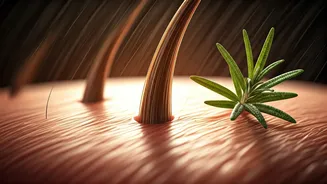
hair health. This gentle stimulation enhances blood flow to the hair follicles, ensuring they receive a more robust supply of oxygen and essential nutrients. This improved circulation is crucial for maintaining the vitality of hair and can potentially slow down the depletion of pigment cells responsible for hair turning grey. However, it's important to understand that while increased circulation is beneficial, it's not the sole determinant of hair greying. Genetic predisposition, the natural aging process, and broader lifestyle choices exert a far more significant influence on hair color and health.
Beyond Circulation: The Stress-Reduction Factor
The perceived efficacy of rituals like the Japanese wooden comb scalp massage often stems from a combination of physiological and psychological benefits. A soft, nightly scalp massage doesn't just deliver nourishment to the scalp; it also plays a vital role in diminishing stress levels and promoting a sense of deep relaxation. Given that elevated stress is a well-documented trigger for premature greying and accelerated hair loss, individuals who consistently integrate this calming habit into their routine may observe improvements. These positive outcomes are less about a mystical effect and more about the dual action of reducing stress and providing holistic nourishment to the scalp and its surrounding tissues.
Who Should Try It?
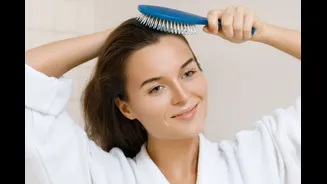
Incorporating a gentle scalp massage with a wooden comb or even just fingertips is generally safe and beneficial for most individuals, provided it's performed with care and attention. A minute or two of gentle stroking can offer a relaxing experience. However, individuals suffering from pre-existing scalp conditions such as eczema, psoriasis, or active infections should exercise significant caution. It is strongly recommended that they consult with a dermatologist before attempting such practices to avoid potential irritation or exacerbation of their condition. This professional guidance ensures the practice remains a positive addition to their self-care routine.
Realistic Expectations for Hair
It is crucial to approach practices like wooden comb massages with realistic expectations, as they are not miracle cures for hair greying or loss. While a scalp massage can be a valuable component of a comprehensive hair care regimen, the primary drivers of hair greying remain largely genetic. For truly healthy hair, focus should be placed on fundamental lifestyle factors: maintaining a balanced and nutritious diet, ensuring adequate and quality sleep, and effectively managing stress levels. For individuals already experiencing grey hair, evidence-based solutions such as hair dyes or specific medical interventions are currently the most reliable options for altering hair color.
Self-Care, Not a Cure
The Japanese wooden comb scalp ritual can be best understood and adopted as a 'wellness practice' or a form of dedicated self-care, rather than a definitive treatment for hair issues. Its appeal lies in its affordability, its inherently relaxing nature, and its potential to improve both hair texture and sleep quality. Viewing it as an integral part of a bedtime routine can foster a sense of calm and well-being. If you find joy in establishing calming rituals that help you unwind before sleep, this practice offers a wonderfully soothing and accessible option to enhance your personal relaxation journey.